











Best Babymoon Locations in Connecticut (CT Getaways for Expecting Parents)
Planning a babymoon in Connecticut is a wonderful way to relax and reconnect before welcoming your baby. Whether you’re dreaming of a cozy cabin in the woods, a charming coastal inn, or a peaceful countryside retreat, Connecticut offers some of the best babymoon destinations in New England.
These babymoon locations in CT are ideal for expecting parents who want:
Easy travel
Comfortable accommodations
Gentle activities
Romantic, low-stress environments
Here are some of the best babymoon spots in Connecticut for couples looking to unwind before baby arrives.
Mystic, CT — Stay at Whaler’s Inn
Mystic is one of the most popular destinations for a romantic getaway in Connecticut, making it a top choice for a babymoon.
Located in the heart of Mystic, Whaler’s Inn offers boutique-style comfort within walking distance of:
The Mystic River
Historic downtown Mystic
Local shops and waterfront restaurants
Why this is a great babymoon location in CT:
Walkable town (less driving while pregnant)
Comfortable suites with fireplaces
Coastal views and fresh sea air
Calm, romantic atmosphere
This is a perfect choice for couples who want a coastal Connecticut babymoon without traveling far.
Litchfield County — Quiet Countryside Babymoon
If your idea of a babymoon includes rolling hills, scenic drives, and total relaxation, Litchfield County is one of the best babymoon regions in Connecticut.
This area is known for:
Charming small towns
Country inns and boutique hotels
Peaceful nature views
Seasonal foliage and farm markets
Why Litchfield County works for a babymoon:
Low-stress environment
Gentle walking trails
Cozy inns with breakfast included
Great for unplugging before baby arrives
This is an excellent option for couples looking for a quiet babymoon in CT with a rural feel.
Branford, CT — Thimble Island Views at Thimble Island Bed and Breakfast
For ocean lovers, Branford is an underrated babymoon destination along the Connecticut shoreline.
The Thimble Island Bed and Breakfast offers:
Waterfront views
Peaceful mornings with coffee by the water
Easy access to coastal walks
Located in Branford, this spot feels far away from busy life while still being close to home.
Why this is a top CT babymoon spot:
Ocean air and calming scenery
Relaxed pace
Romantic, intimate accommodations
Beautiful sunrise and sunset views
It’s perfect for couples seeking a shoreline babymoon in Connecticut.
Moodus, CT — Forest Escape at Getaway Cabins
If your ideal babymoon includes trees, fresh air, and complete privacy, the cabins in Moodus are an amazing choice.
Getaway cabins offer:
Secluded forest settings
Cozy interiors
Fire pits and outdoor seating
A chance to fully unplug
Why this is great for a Connecticut babymoon:
Total quiet and privacy
Nature-based relaxation
Comfortable sleeping spaces
Perfect for resting and reconnecting
This is a wonderful option for a nature babymoon in CT.
Tips for Planning a Babymoon in Connecticut
Choose a destination within a comfortable driving distance
Look for accommodations with private bathrooms and easy access
Plan low-impact activities like walks, scenic drives, or lounging
Avoid overpacked itineraries
Always check with your provider before traveling later in pregnancy
Why Connecticut Is Perfect for a Babymoon
A babymoon in Connecticut offers:
Short travel time
Beautiful scenery year-round
Coastal and countryside options
Romantic inns and peaceful cabins
Easy weekend trips
Whether you choose Mystic, Litchfield County, Branford, or Moodus, these babymoon locations in CT give you space to relax, bond, and prepare emotionally for life with your baby.
Favorite Pregnancy, Birth, and Postpartum Books for the Aspiring Doula
CT Doulas shares favorite pregnancy, birth, and postpartum books for aspiring doulas to deepen learning and support growing families.
Aspiring doulas know that certification is only part of the journey—true mastery comes from reading, observation, and reflection. Books offer invaluable insight into pregnancy, birth, postpartum care, breastfeeding, nutrition, social justice, and reproductive advocacy. The right texts provide evidence-based guidance, practical techniques, and emotional support strategies that doulas can integrate into their practice.
This curated list features 34 essential books for aspiring doulas, covering natural childbirth, postpartum recovery, breastfeeding, nutrition, herbal medicine, birth planning, and reproductive justice. Each title equips doulas to provide holistic, informed, and compassionate care.
1. Ina May Gaskin – Ina May’s Guide to Childbirth (Updated Edition)
Ina May Gaskin, often called the “mother of modern midwifery,” presents a comprehensive and inspiring guide to natural childbirth. This updated edition combines real birth stories, practical advice, and evidence-based strategies for supporting physiological birth. Aspiring doulas will learn to:
Recognize the stages of labor and provide appropriate support
Apply comfort measures, breathing techniques, and positions for pain management
Advocate for clients’ birth choices in hospitals, birth centers, or home settings
Gaskin emphasizes the power of a supportive birth environment, demonstrating how doulas can foster confidence and empowerment. Stories from diverse birthing experiences highlight both the physical and emotional dimensions of labor. Aspiring doulas gain practical skills while learning to support clients’ autonomy and natural birthing instincts, making this book a cornerstone of any doula library.
2. Ina May Gaskin – Ina May’s Guide to Breastfeeding: From the Nation’s Leading Midwife
Breastfeeding can be one of the most challenging aspects of postpartum support. Gaskin’s guide offers clear, evidence-based guidance for doulas to assist clients with:
Establishing proper latch and feeding techniques
Overcoming low milk supply or nipple discomfort
Creating feeding schedules that suit family lifestyles
The book also emphasizes emotional support, showing doulas how to foster confidence and resilience in new parents. Understanding cultural and societal influences on breastfeeding helps doulas approach each family with empathy and sensitivity, ensuring successful feeding and strong parent-infant bonding. Aspiring postpartum doulas will find this text invaluable for practical and emotional guidance.
3. Deirdre Cooper Owens – Medical Bondage: Race, Gender, and the Origins of American Gynecology
Medical Bondage explores the history of medical experimentation on Black women, offering doulas essential context for understanding systemic disparities in maternal healthcare. The book examines:
The ethical and racial dimensions of American gynecology
Historical injustices that influence contemporary obstetric care
The importance of advocacy and cultural competency in birthing support
By reading this book, aspiring doulas can recognize systemic bias, providing trauma-informed care that respects client autonomy. This historical lens equips doulas to better serve marginalized communities, promoting equity and justice in maternal care.
4. Loretta J. Ross – Reproductive Justice: An Introduction (Volume 1)
Loretta J. Ross introduces reproductive justice, emphasizing that true reproductive freedom includes the right to have children, parent safely, and live in a healthy community. Key lessons for doulas include:
Intersectional approaches to maternal health
Advocacy strategies for clients facing systemic barriers
Holistic, client-centered care practices
Understanding reproductive justice allows doulas to support families with equity and sensitivity, ensuring that care respects both individual choice and social context. This foundational text encourages doulas to integrate advocacy into daily practice, fostering informed, empowered birthing experiences.
5. Alexis Pauline Gumbs – Revolutionary Mothering: Love on the Front Lines
Gumbs blends poetry, memoir, and activism, highlighting mothering as a form of resistance and social change. Aspiring doulas will gain insights into:
Collective care and community-centered support
Integrating social justice into birth and postpartum practice
Emotional and spiritual dimensions of caregiving
This book encourages doulas to expand their definition of support beyond the individual, considering how caregiving contributes to social liberation. Revolutionary Mothering reinforces the importance of empathy, empowerment, and activism in doula work.
6. Natalia Hailes – Why Did No One Tell Me This?: The Doulas’ (Honest) Guide for Expectant Parents
Natalia Hailes offers a straightforward, practical guide to preparing for pregnancy, birth, and early parenthood. Doulas benefit from insights on:
Common challenges during labor and postpartum
Emotional and physical preparation strategies
How to communicate effectively with clients about expectations
This book equips doulas to educate and empower parents, bridging the gap between medical information and real-world experiences. Its honest approach makes it ideal for doulas seeking practical strategies for client support.
7. Sally Fallon Morell – The Nourishing Traditions Book of Baby & Child Care
Sally Fallon Morell emphasizes traditional diets and nutrition for infants and children, combining ancestral wisdom with modern research. Aspiring doulas learn:
Nutritional guidelines for pregnancy, breastfeeding, and early childhood
Preparing nutrient-dense foods for infants and toddlers
Supporting families in making informed dietary choices
Doulas can use these insights to guide clients toward healthy, sustainable practices that support long-term growth and development.
8. Sally Fallon – Nourishing Traditions: The Cookbook That Challenges Politically Correct Nutrition and the Diet Dictocrats
This foundational text challenges mainstream nutritional paradigms, advocating whole, traditional foods. For doulas:
Supports counseling on pregnancy and postpartum nutrition
Offers recipes that promote health and recovery
Encourages understanding of cultural dietary traditions
Doulas can empower clients with knowledge and practical tools for holistic nutrition, supporting both maternal and infant wellbeing.
9. Heng Ou – The First Forty Days: The Essential Art of Nourishing the New Mother
Heng Ou provides a comprehensive guide to postpartum care, focusing on the first 40 days after birth. Doulas learn:
Nutritional strategies for recovery and milk production
Gentle postpartum exercises and self-care routines
Emotional support techniques for new mothers
This book is essential for postpartum doulas, providing a roadmap for nurturing maternal health and promoting long-term family wellness.
10. Thomas Easley – The Modern Herbal Dispensatory: A Medicine-Making Guide
Easley’s guide introduces doulas to herbal medicine preparation and usage, offering practical guidance for safe, effective remedies. Key takeaways:
Creating herbal tinctures, salves, and teas
Understanding plant properties for maternal and infant health
Integrating herbal practices into postpartum and birth care
Aspiring doulas interested in holistic and natural care approaches will find this book invaluable.
11. Ava Green – Raised Naturally: A Parent’s Guide to Herbal Medicine From Newborn to Adolescence
Ava Green provides a step-by-step guide to herbal medicine for children, including newborns. Doulas gain practical knowledge for:
Supporting infant and toddler health naturally
Choosing safe, effective herbal remedies
Educating parents on home-based care practices
This resource complements postpartum doula care, emphasizing preventive health and family education.
12. Renee Kohley – Nourished Beginnings Baby Food: Nutrient-Dense Recipes for Infants, Toddlers and Beyond
Kohley focuses on homemade, nutrient-rich baby foods, combining modern nutritional science with traditional wisdom. Aspiring doulas learn:
Age-appropriate recipes for optimal infant growth
Techniques to enhance nutrient absorption
Strategies to guide parents in feeding confidently
This book helps doulas support healthy early nutrition and developmental outcomes.
13. Megan Davidson – Your Birth Plan: A Guide to Navigating All of Your Choices in Childbirth
Davidson provides a comprehensive guide to birth planning, empowering doulas to help clients:
Make informed decisions about labor and delivery
Understand medical interventions and alternatives
Communicate preferences effectively with healthcare providers
This book strengthens a doula’s ability to advocate for client-centered, personalized birth experiences.
14. Barbara Harper – Gentle Birth Choices: A Guide to Making Informed Decisions About Birthing Centers, Birth Attendants, Water Birth, Home Birth, Hospital Birth
Barbara Harper's book provides a comprehensive guide to choosing the birth setting that aligns with a family's values and needs. Aspiring doulas gain insight into:
Evaluating birthing centers, hospitals, and home birth options
Understanding the roles of midwives, doulas, and medical staff
Guiding clients in making evidence-based decisions
Harper emphasizes informed consent, autonomy, and advocacy, equipping doulas to support clients confidently in all birth scenarios. The book includes practical checklists, discussion prompts, and strategies for communicating client preferences to healthcare providers. For doulas, it serves as a blueprint for helping families navigate complex birth choices while promoting safe, personalized care.
15. Bonnie U. Gruenberg – Birth Emergency Skills Training: Manual for Out-Of-Hospital Midwives
Gruenberg’s manual is an essential resource for doulas assisting home births or working alongside midwives. It covers:
Emergency procedures for unexpected complications
Risk assessment and preventative strategies
Coordination with emergency medical services
Doulas gain confidence in recognizing emergencies and providing calm, informed support while awaiting professional care. The book reinforces the importance of preparation, safety, and communication in non-hospital birth settings, making it invaluable for both birth and postpartum doulas.
16. Lindsey Bliss – The Doula's Guide to Empowering Your Birth: A Complete Labor and Childbirth Companion for Parents to Be
Lindsey Bliss provides a hands-on, comprehensive resource for supporting parents through labor. Key sections include:
Comfort measures, position changes, and relaxation techniques
Emotional support strategies for partners and families
Guidance on interventions, informed consent, and advocacy
Doulas will appreciate the practical exercises and real-life examples, allowing them to implement evidence-based, empathetic care. This book strengthens a doula’s ability to empower clients, reduce anxiety, and create positive birth experiences.
17. Sheila Kitzinger – Homebirth: The Essential Guide to Giving Birth Outside of the Hospital
Kitzinger’s classic guide explores home birth from both practical and philosophical perspectives. Doulas learn:
Safety considerations and preparation for home environments
Collaboration with midwives and other birth attendants
Emotional and psychological aspects of out-of-hospital birth
This book equips doulas with confidence in supporting families choosing home birth, emphasizing client autonomy, empowerment, and evidence-based safety.
18. Aristizabal – Natural Labor and Birth: An Evidence-Based Guide to the Natural Birth Plan
This book focuses on evidence-based natural birth strategies, helping doulas guide clients in creating informed, personalized birth plans. Highlights include:
Non-pharmacological pain management techniques
Understanding labor progression and physiological birth
Communication strategies with medical staff
Doulas will find practical exercises, checklists, and planning templates to facilitate informed choices and empower clients throughout labor.
19. January Harshe – Birth Without Fear: The Judgment-Free Guide to Taking Charge of Your Pregnancy, Birth, and Postpartum
Harshe provides a comprehensive, judgment-free approach to pregnancy, birth, and postpartum care. Key takeaways for doulas include:
Supporting client decision-making and autonomy
Preparing for labor with confidence and realistic expectations
Navigating postpartum challenges including recovery, feeding, and emotional adjustment
This book strengthens a doula’s ability to foster empowerment, resilience, and calm for clients throughout the birth journey.
20. Janet Balaskas – Active Birth: The New Approach to Giving Birth Naturally
Balaskas emphasizes movement and active engagement during labor to promote optimal birth outcomes. Doulas learn:
Techniques for walking, squatting, and positioning during labor
Encouraging mobility and self-efficacy in clients
Evidence supporting active birth for shorter, less intervention-heavy labor
This resource enhances a doula’s toolkit for physically and emotionally supporting clients in active, empowered birth practices.
21. Stacey Marie Kerr MD – Homebirth in the Hospital: Integrating Natural Childbirth with Modern Medicine
Dr. Kerr explores how to merge natural birth practices with hospital safety protocols, offering doulas guidance for supporting clients in medicalized environments. Key insights include:
Collaboration with obstetric teams while maintaining birth preferences
Advocacy strategies for minimizing unnecessary interventions
Balancing medical oversight with client-centered care
This book is essential for doulas working with hospital births who wish to preserve the principles of natural childbirth while ensuring safety and informed choice.
22. Ina May Gaskin – Ina May's Guide to Childbirth "Updated With New Material"
This edition of Gaskin’s classic further expands on real-life birth stories and midwifery wisdom, offering doulas insights into:
Advanced techniques for comfort and pain management
Navigating complex birth scenarios
Supporting empowerment, informed choice, and natural birth practices
Doulas gain practical knowledge for both home and hospital births, including techniques for advocacy and communication with medical teams. The added material reflects current research and practices, making it relevant for modern doula support.
23. Cynthia Gabriel – Natural Hospital Birth, 2nd Edition: The Best of Both Worlds
Gabriel bridges hospital safety with natural birth principles, demonstrating how doulas can help clients achieve a positive birth experience within medical settings. Topics include:
Hospital policies and intervention options
Client-centered strategies for autonomy
Pain management, comfort measures, and positioning
This book equips doulas to navigate hospital dynamics while preserving client preferences, emphasizing communication, empowerment, and safety.
24. Christine Caldwell – Oppression and the Body: Roots, Resistance, and Resolutions
Caldwell examines the intersections of oppression, health, and the body, offering doulas a framework for trauma-informed care. Key lessons include:
Recognizing systemic barriers in maternal healthcare
Supporting marginalized clients with cultural competence
Implementing resistance strategies to empower clients
This text enhances a doula’s ability to provide equitable, sensitive support, acknowledging social and historical contexts that impact client experiences.
25. Penny Simkin – The Birth Partner, 5th Edition
Simkin’s guide is a complete manual for partners, doulas, and labor companions, covering every stage of birth. Highlights include:
Comfort measures, breathing, and labor techniques
Emotional support strategies for parents
Understanding interventions, pain relief options, and birth physiology
Doulas can use this book as a reference for training clients, guiding partners, and refining support strategies, making it a practical, indispensable resource.
26. Victoria Facelli IBCLC – Feed the Baby: An Inclusive Guide to Nursing, Bottle-Feeding, and Everything In Between
Facelli provides comprehensive guidance on infant feeding, combining medical knowledge with practical strategies. Doulas learn:
Supporting both breastfeeding and bottle-feeding families
Troubleshooting common feeding challenges
Promoting inclusive, nonjudgmental support for all feeding choices
This book strengthens postpartum doula practice by enhancing confidence in feeding support and educating parents on informed feeding decisions.
27. Sabia Wade – Birthing Liberation: How Reproductive Justice Can Set Us Free
Wade’s book explores the intersection of reproductive justice and birth, highlighting the doula’s role in advocacy and empowerment. Key lessons include:
Identifying systemic barriers to birth equity
Empowering clients to make informed decisions
Incorporating social justice principles into doula practice
This resource encourages doulas to center equity, choice, and empowerment in all aspects of care.
28. Katherine Erlich MD – Super Nutrition for Babies, Revised Edition
Erlich focuses on optimal nutrition for infants 0–24 months, providing evidence-based guidance. Doulas learn:
Nutrient requirements for growth and development
Meal planning and feeding strategies
Supporting parents with dietary concerns
This book enhances postpartum and infant care support, helping doulas educate families about healthy feeding practices.
29. James J McKenna – Safe Infant Sleep: Expert Answers to Your Cosleeping Questions
McKenna addresses safe sleep practices and cosleeping strategies, essential for postpartum doulas. Topics include:
Evidence-based recommendations for safe sleep environments
Addressing risks and benefits of bedsharing
Educating parents to reduce sleep-related hazards
This book equips doulas to support safe infant sleep practices, balancing parental preferences with safety.
30. Deborah L. Davis – Empty Cradle, Broken Heart: Surviving the Death of Your Baby
Davis provides compassionate guidance for supporting bereaved parents, a crucial skill for postpartum doulas. Key lessons include:
Emotional and practical support strategies
Navigating grief, memorialization, and counseling referrals
Building resilience while honoring parental loss
This resource ensures doulas are prepared to offer empathetic, trauma-informed care in the most difficult circumstances.
31. Amy Brown – Why Breastfeeding Grief and Trauma Matter
Brown explores the emotional impact of breastfeeding challenges, helping doulas understand grief and trauma related to feeding. Insights include:
Supporting parents through loss of expected breastfeeding experience
Navigating guilt, societal pressure, and emotional distress
Building resilience and coping strategies
This book enables doulas to offer empathetic guidance, validating experiences and promoting positive postpartum adjustment.
32. Lucy Ruddle – Relactation: A Guide to Rebuilding Your Milk Supply
Ruddle offers practical strategies for re-establishing lactation, making it essential for postpartum doulas. Topics include:
Techniques for stimulating milk production
Supporting adoptive or supplementing parents
Troubleshooting common challenges and emotional barriers
This guide empowers doulas to support feeding goals confidently, offering practical steps to achieve success.
Conclusion: Building Your Doula Library
Reading widely is one of the most powerful ways to prepare for a career as a doula. These 34 books cover pregnancy, birth, postpartum care, breastfeeding, nutrition, herbal medicine, birth planning, and reproductive justice, offering both practical skills and deeper understanding. By studying these texts, aspiring doulas can:
Enhance confidence in supporting clients through all stages of birth
Apply evidence-based strategies for natural childbirth, postpartum recovery, and infant feeding
Provide culturally competent and trauma-informed care
Empower clients to make informed choices aligned with their values
Each book contributes uniquely to a doula’s toolkit, from Ina May Gaskin’s inspirational birth stories to guides on nutrition, feeding, and reproductive justice. Integrating this knowledge into your practice allows you to offer holistic, informed, and empathetic support to the families you serve.
Next Steps for Aspiring Doulas
To get the most from these books:
Create a reading plan: Focus on a few titles each month to gradually build expertise.
Take notes and reflect: Highlight techniques, philosophies, and insights you can apply to your practice.
Discuss with peers or mentors: Sharing knowledge enhances understanding and prepares you for real-world application.
Combine reading with hands-on experience: Pair study with workshops, birth observations, or mentorship for maximum impact.
By combining knowledge, skill-building, and empathy, you’ll be fully equipped to provide exceptional, client-centered doula care.
These books are essential for anyone searching for:
Pregnancy books for doulas
Birth books for aspiring doulas
Postpartum books to support doula training
Top childbirth books for professional development
Whether you are starting your doula journey or seeking to deepen your expertise, this curated list offers comprehensive guidance, practical strategies, and inspiration to help you support families through one of life’s most transformative experiences.
Mastitis in Breastfeeding: What It Is, Symptoms, and How to Care for It
Many breastfeeding parents search for answers when they suddenly feel flu-like symptoms, breast pain, or notice redness on their chest. Mastitis is a common breastfeeding condition that can feel intense and alarming, especially when it comes on quickly.
Mastitis is an inflammation of the breast tissue that can involve infection. It often begins with milk stasis (milk not draining well) and can worsen if not treated early. The good news is that mastitis is very treatable, and most parents recover fully with the right care and support.
This guide explains what mastitis is, how to recognize it, and how to care for mastitis while continuing to breastfeed safely.
What Is Mastitis?
Mastitis is inflammation of the breast tissue that may or may not involve bacterial infection. It usually develops when milk is not flowing well through part of the breast, leading to swelling, pressure, and irritation. Bacteria can then enter through cracked nipples or skin openings.
Mastitis can happen at any point during breastfeeding but is most common in the early weeks postpartum when feeding patterns are still being established.
What Causes Mastitis?
Several factors increase the risk of mastitis:
Infrequent or skipped feeds
Poor latch or inefficient milk removal
Engorgement
Pressure on the breast (tight bras, sleeping on one side)
Cracked or bleeding nipples
Sudden changes in feeding schedule
Stress and exhaustion
Weaning too quickly
Mastitis often starts as a blocked duct and progresses when milk builds up behind the blockage.
Early Signs of Mastitis
Recognizing mastitis early can prevent worsening symptoms. Early mastitis symptoms include:
A tender or painful area in the breast
Swelling or firmness
Warmth in one spot
A small lump or wedge-shaped area
Mild fatigue or body aches
At this stage, inflammation may not yet be infected and may respond well to supportive care.
Advanced Mastitis Symptoms
As mastitis progresses, symptoms often include:
Red, hot, or swollen patch on the breast
Flu-like symptoms
Fever and chills
Body aches
Headache
Fatigue
Pain during feeding
Rapid onset of illness
These symptoms can feel sudden and overwhelming, sometimes appearing within hours.
Mastitis vs. Clogged Ducts
Clogged ducts usually cause:
A small tender lump
No fever
Localized discomfort
Improvement after feeding
Mastitis includes systemic symptoms like fever and body aches. A clogged duct can turn into mastitis if not resolved.
Can You Breastfeed With Mastitis?
Yes. In most cases, continuing to breastfeed is part of treatment.
Emptying the breast helps reduce inflammation and pressure. Breast milk is safe for babies even if mastitis involves infection.
Stopping breastfeeding suddenly can worsen symptoms and increase the risk of abscess formation.
Medical Treatment for Mastitis
If symptoms are severe or last longer than 24 hours, medical care is needed.
Treatment may include:
Antibiotics (if bacterial infection is suspected)
Pain relievers
Anti-inflammatory medication
Rest and hydration
It is important to finish the full course of antibiotics if prescribed, even if symptoms improve quickly.
Home Care for Mastitis
Supportive care plays a major role in healing:
Rest as much as possible
Stay well hydrated
Feed frequently from the affected breast
Vary nursing positions
Avoid tight clothing
Support your immune system
Use gentle massage toward the nipple
Apply cold packs after feeds to reduce swelling
Avoid aggressive massage, which can worsen inflammation and tissue damage.
Pumping and Mastitis
If baby cannot nurse well, pumping may help maintain milk flow. Pump only to comfort, not to fully empty aggressively.
Ensure pump parts fit properly and are clean to avoid further nipple damage.
When Mastitis Doesn’t Improve
If symptoms do not improve within 24–48 hours of treatment, further evaluation is needed.
Possible complications include:
Breast abscess
Persistent infection
Recurrent mastitis
Milk supply changes
Ultrasound or additional medication may be required in stubborn cases.
Preventing Mastitis
While mastitis is not always preventable, risk can be reduced by:
Feeding frequently
Avoiding long gaps between feeds
Ensuring good latch
Rotating nursing positions
Treating nipple damage promptly
Avoiding tight bras
Managing stress and fatigue
Listening to your body’s early warning signs can stop mastitis before it worsens.
Emotional Impact of Mastitis
Mastitis can be physically painful and emotionally discouraging. Many parents feel guilt, fear, or worry about their milk supply or baby’s health.
These feelings are valid. Mastitis is not caused by failure. It is a medical condition that needs care and rest.
Support during mastitis can make a huge difference in recovery and confidence.
Mastitis vs. Thrush
Mastitis pain is often:
Deep, aching, and associated with fever
Thrush pain is often:
Burning, sharp, and continues between feeds
They can sometimes occur together, making diagnosis more complex.
When to Call a Provider
Contact a healthcare provider if:
You have a fever
Pain is severe
Redness spreads
Symptoms last longer than 24 hours
You feel very ill
A lump does not improve
You develop cracked or bleeding nipples
Early treatment prevents complications and prolonged discomfort.
Final Thoughts on Mastitis in Breastfeeding
Mastitis can feel frightening, especially when symptoms come on fast. But with prompt care, most parents recover fully and continue breastfeeding comfortably.
Mastitis is common.
Mastitis is treatable.
You do not have to stop breastfeeding.
If you are dealing with breast pain, fever, or sudden illness while nursing, you deserve support and proper care.
Breastfeeding challenges are medical issues — not personal failures — and help is available.
10 Best Teas for Postpartum Hydration
Gentle, Nourishing Herbal Support After Birth
Staying hydrated after giving birth is essential for healing, milk production, energy, and emotional balance. Yet many new parents struggle to drink enough water during the postpartum period — especially while caring for a newborn around the clock. One comforting and effective way to boost fluid intake is through herbal tea for postpartum hydration.
Warm teas can be easier to sip than plain water, help replenish minerals, and offer gentle herbal benefits that support recovery and relaxation. But not all teas are ideal after birth, especially for breastfeeding parents.
Below are the 10 best teas for postpartum hydration, chosen for their safety, hydration support, and traditional use in postpartum recovery.
Why Postpartum Hydration Matters
After birth, your body is:
Recovering from blood loss and tissue repair
Producing breast milk (which requires extra fluids)
Regulating hormones
Healing muscles and organs
Dehydration can contribute to:
Fatigue
Headaches
Constipation
Low milk supply
Increased anxiety or irritability
Many midwives and postpartum doulas recommend drinking warm fluids regularly because they:
✔ support digestion
✔ are soothing to the nervous system
✔ encourage consistent hydration
✔ can provide trace minerals
This is where herbal teas for postpartum can be incredibly helpful.
1. Hibiscus Tea
Best for: Mineral-rich hydration & circulation
Hibiscus is naturally high in vitamin C and antioxidants and has a pleasantly tart flavor that encourages drinking more fluids.
Benefits:
Supports hydration
May help reduce inflammation
Refreshing hot or iced
Naturally caffeine-free
Hibiscus is a wonderful option for parents who dislike bland water and want something flavorful yet gentle.
2. Nettle Leaf Tea
Best for: Nutrient replenishment after birth
Nettle is one of the most recommended herbs for postpartum recovery. It is rich in iron, calcium, magnesium, and potassium — all important after blood loss and during lactation.
Benefits:
Supports hydration
Provides trace minerals
Traditionally used for postpartum tonics
May support milk supply
Many herbalists consider nettle one of the best postpartum hydration teas because it combines fluids with nutritional support.
3. Chamomile Tea
Best for: Relaxation and digestion
Chamomile is known for its calming effects and digestive support, making it ideal for postpartum evenings or during stressful days.
Benefits:
Supports relaxation
Gentle on digestion
May reduce bloating
Helps encourage rest
While chamomile is not as mineral-rich as nettle, its calming effect can support hydration by making fluid intake more pleasant.
4. Lemon Balm Tea
Best for: Mood support and gentle hydration
Lemon balm belongs to the mint family and is often used to support emotional wellbeing and nervous system regulation.
Benefits:
Light citrus flavor
Supports calm and focus
Gentle digestive aid
Encourages fluid intake
This is a wonderful option for parents experiencing postpartum stress or emotional overwhelm.
5. Rooibos Tea
Best for: Caffeine-free hydration
Rooibos is naturally caffeine-free and rich in antioxidants, making it ideal for breastfeeding parents who want to avoid stimulants.
Benefits:
Hydrating
Gentle on the stomach
Naturally sweet
No caffeine
It works well plain or blended with milk-supporting herbs.
6. Ginger Tea
Best for: Circulation and digestion
Ginger is commonly used postpartum in many cultures to promote circulation and digestion.
Benefits:
Supports digestion
Helps reduce nausea
Warming and comforting
Encourages fluid intake
Ginger tea can be especially helpful after a cesarean birth or for parents dealing with bloating and sluggish digestion.
7. Fennel Tea
Best for: Digestive comfort & gas relief
Fennel is traditionally used for digestion and may help relieve bloating in both parent and baby.
Benefits:
Supports digestion
Light, sweet flavor
Often used in lactation blends
Hydrating
Many parents enjoy fennel as part of a postpartum herbal tea blend.
8. Marshmallow Root Tea
Best for: Deep hydration & tissue soothing
Marshmallow root is rich in mucilage, which creates a soothing, slippery texture when steeped. It is traditionally used to support hydration at the cellular level and soothe irritated tissues.
Benefits:
Supports deep hydration
Soothes throat and digestive tract
Gentle and cooling
Naturally caffeine-free
This is a wonderful option for parents experiencing dry mouth, sore throat, or dehydration.
9. Raspberry Leaf Tea
Best for: Uterine tone support
Often used in pregnancy, raspberry leaf is also traditionally used postpartum for uterine support.
Benefits:
Supports uterine tone
Mild flavor
Hydrating
Mineral content
It is often combined with nettle for a postpartum tonic tea.
10. Oat Straw Tea
Best for: Nervous system nourishment
Oat straw is a gentle, mineral-rich herb used for nervous system support and hydration.
Benefits:
Supports calm
Provides trace minerals
Mild flavor
Encourages steady hydration
This tea pairs well with lemon balm or chamomile.
How to Use Tea for Postpartum Hydration
To maximize hydration:
Drink 2–4 cups daily in addition to water
Rotate herbs for variety
Brew with a lid to preserve nutrients
Sip throughout the day
Choose caffeine-free options
You can also make large jars of herbal infusion (especially with nettle or oat straw) and keep them in the fridge.
Safety Notes
While these teas are generally considered gentle:
Introduce new herbs slowly
Avoid unknown herbal blends
Consult your healthcare provider if you have medical conditions
Watch baby for sensitivities if breastfeeding
Herbal tea should support, not replace, medical care.
Best Teas for Postpartum Hydration (Quick List)
✔ Hibiscus
✔ Nettle
✔ Chamomile
✔ Lemon balm
✔ Rooibos
✔ Ginger
✔ Fennel
✔ Marshmallow root
✔ Raspberry leaf
✔ Oat straw
Final Thoughts
Postpartum hydration is about more than just drinking water — it’s about nourishing your healing body in ways that feel comforting and sustainable. Herbal teas like hibiscus, nettle, chamomile, and lemon balm offer a gentle way to hydrate while supporting digestion, mood, and recovery.
Whether you’re breastfeeding, bottle-feeding, or simply trying to remember to drink enough fluids, adding herbal tea to your daily routine can make postpartum hydration easier and more enjoyable.
Your body has done extraordinary work. Staying hydrated is one of the simplest ways to support it as it heals.
Nourishing Your Milk Supply: Natural Strategies for Increasing Breast Supply Through Stress Relief, Power Pumping, Nutrition, and Hydration
Breastfeeding is one of the most intimate, rewarding experiences a parent can share with their baby. But for many, it’s not always easy. Whether you’re just starting your breastfeeding journey or returning to work and relying on breast pumping, you may wonder how to maintain or increase your breast supply naturally.
The good news? Your body is beautifully adaptable, and with the right balance of rest, nourishment, and techniques, you can often encourage more abundant milk production — without harsh supplements or unnecessary stress.
Let’s explore the most effective, holistic strategies for increasing breast supply—from managing stress and optimizing breast pumping routines, to fueling your body with high-calorie, nutrient-dense foods and staying well-hydrated.
Understanding Milk Supply: The Basics
Before diving into techniques, it helps to understand how milk supply works. Breastmilk production operates on a “supply and demand” system — the more milk your baby (or pump) removes, the more your body is signaled to make.
But while this system is simple, it’s influenced by many factors — stress levels, hydration, calorie intake, sleep, hormones, and even emotional well-being. That’s why increasing breast supply often requires more than one solution.
Think of it like tending a garden: milk supply flourishes when the whole environment (your body, mind, and lifestyle) feels supported.
1. Relieve Stress to Support Milk Flow
One of the most overlooked barriers to milk production is stress. When you’re anxious, overtired, or emotionally depleted, your body produces higher levels of cortisol and adrenaline — hormones that can interfere with oxytocin, the “letdown” hormone that releases milk.
Even short-term stress (like worrying during a breast pumping session) can make milk flow more slowly or stop altogether. So one of the most powerful ways to increase breast supply is by actively prioritizing calm, rest, and emotional support.
Gentle Stress-Relief Practices for Breastfeeding Parents
Create a calm pumping or feeding environment.
Before you begin a session, take a few deep breaths, play soft music, and make sure you’re comfortable. Dimming lights or diffusing lavender or chamomile essential oils can cue your body to relax.Use visualization or mindfulness.
Close your eyes and picture your baby feeding calmly, or imagine warm waves of energy moving through your chest. Visualization and mindful breathing can enhance oxytocin flow and help milk let down naturally.Seek postpartum support.
Whether it’s a doula, lactation consultant, or support group, having a compassionate space to process your emotions can greatly reduce stress. Many parents notice improved milk output after simply feeling more supported.Rest whenever possible.
Sleep deprivation can significantly impact breast pumping output and hormone balance. Nap when your baby naps, ask for help with household tasks, and remind yourself that rest is productive.Consider gentle movement.
Light walks, restorative yoga, or even stretching can lower cortisol levels and improve blood flow — which, in turn, supports milk production and overall healing.
2. Power Pumping: Mimicking Baby’s Cluster Feeding
If you’re breast pumping and struggling with low milk output, power pumping is one of the most effective tools to kickstart production.
What Is Power Pumping?
Power pumping mimics your baby’s natural “cluster feeding” behavior — when they feed frequently over a short period to signal your body to make more milk.
By using your pump to simulate this pattern, you essentially “trick” your body into thinking your baby is in a growth spurt, prompting it to ramp up milk production.
How to Power Pump
A classic power pumping session usually lasts one hour and can be done once or twice a day for several days. Here’s a common schedule:
Pump for 20 minutes
Rest for 10 minutes
Pump for 10 minutes
Rest for 10 minutes
Pump for 10 minutes
Do this routine once daily (often in the morning or evening, when milk supply is naturally higher).
Tips for Success
Stay consistent. Most parents notice an increase in supply within 3–7 days of regular sessions.
Stay hydrated and nourished. Bring a high-calorie snack and water with you — your body burns extra energy during extended pumping.
Relax your shoulders and jaw. Tension restricts milk flow. Massage your breasts before and during pumping, or use gentle compressions to help with letdown.
Don’t obsess over the output. Sometimes results take time — the stimulation itself is what matters most.
If you’re exclusively breast pumping, try power pumping once a day for a week, then scale back to maintenance sessions as your supply stabilizes.
3. High-Calorie, Nutrient-Dense Foods for Milk Production
It’s no secret that breastfeeding burns calories — around 400–700 extra per day on average. If your intake doesn’t meet your energy needs, your body may prioritize your survival over milk production, leading to a dip in supply.
To support increasing breast supply, focus on high-calorie, nutrient-rich foods that replenish your body with what it’s giving away. Think of it as feeding yourself the way you’d feed your baby: often, and with care.
Foods That Fuel Milk Production
Healthy Fats
Avocados, nut butters, seeds, and full-fat dairy support hormone balance and keep you satiated. Omega-3 fats (like those in salmon, sardines, and chia seeds) also benefit your baby’s brain development.Complex Carbohydrates
Whole grains such as oats, quinoa, and brown rice help stabilize blood sugar, which can prevent hormonal dips that affect milk production.Protein-Rich Foods
Lentils, eggs, chicken, tofu, and Greek yogurt provide amino acids that build and repair tissue. Including a protein source at each meal supports recovery and consistent milk flow.Iron & B-Vitamins
Spinach, sweet potatoes, liver, and fortified cereals help restore iron lost during birth and boost energy levels, which is critical for milk production.Galactagogues
Certain foods have been traditionally known to encourage milk supply. These include:Oats
Fenugreek
Fennel
Brewer’s yeast
Flaxseed
Sample High-Calorie Snack Ideas for Breastfeeding Moms
Oat and Date Energy Balls – Combine oats, dates, nut butter, chia seeds, and coconut flakes for an on-the-go milk-boosting treat.
Avocado Toast with Egg – Whole-grain toast, mashed avocado, and a soft-boiled egg provide a perfect mix of fat, protein, and fiber.
Smoothie with Nut Butter & Oats – Blend oat milk, frozen banana, peanut butter, oats, and spinach for a nutrient-dense energy drink.
Trail Mix – Almonds, walnuts, pumpkin seeds, dark chocolate chips, and dried cranberries keep blood sugar steady and support supply.
When you’re working to increase breast supply, it’s less about eating “perfectly” and more about eating enough. Skipping meals or eating too little can quickly lead to supply dips — so keep snacks nearby, especially if you’re breast pumping frequently.
4. Hydration: The Unsung Hero of Milk Production
Breastmilk is about 87% water, so staying hydrated is essential for milk production. However, that doesn’t mean you need to chug gallons of water — overhydration can actually dilute electrolytes and make you feel sluggish.
Tips for Optimal Hydration
Drink to thirst, but drink often. Keep a large water bottle next to your nursing or pumping station and sip regularly.
Incorporate hydrating foods. Fruits like watermelon, cucumber, oranges, and strawberries add fluids and nutrients.
Add electrolytes. Coconut water or natural electrolyte powders (without artificial ingredients) help replace minerals lost through sweat or milk production.
Infuse your water. Add lemon, mint, or berries to make hydration more enjoyable and refreshing.
Many parents find they need between 80–100 ounces of fluid per day, depending on activity level and climate. If your lips feel dry or your urine is dark, it’s a sign to drink more.
Hydration is one of the easiest and most overlooked ways to support increasing breast supply, especially during breast pumping sessions.
5. Emotional and Physical Connection: The Mind-Body Link
Your emotional state is deeply tied to your milk production. Oxytocin — the same hormone responsible for love, connection, and bonding — also triggers milk ejection. When you feel connected to your baby (even through photos or scent while pumping), it encourages better milk flow.
Try These Connection Practices
Look at photos or videos of your baby while breast pumping.
Smell a blanket or onesie that smells like your baby to stimulate oxytocin.
Listen to relaxing music or a guided meditation during sessions.
Use gentle breast massage to increase circulation and promote letdown.
Never underestimate how your emotions influence your milk. A loving mindset, patience, and self-compassion are powerful allies in increasing breast supply.
6. When to Seek Professional Support
If you’ve tried the above methods for two weeks or more and are still seeing minimal improvement, it may be time to reach out to a lactation consultant or postpartum care specialist. They can assess for other factors affecting supply, such as:
Improper latch or flange fit during breast pumping
Hormonal imbalances (thyroid, PCOS, postpartum shifts)
Insufficient glandular tissue (rare, but possible)
Previous breast surgery
Undiagnosed infection (like mastitis or thrush)
Remember: asking for help doesn’t mean you’ve failed — it means you’re committed to finding solutions that work for your body and baby.
7. Three Organic & Natural Supplements for Increasing Milk Supply
While nutrition, rest, and stress relief should come first, some parents find that natural supplements provide an extra boost. Below are three gentle, organic and natural supplements commonly used to support increasing breast supply:
1. Fenugreek
One of the most widely known galactagogues, fenugreek can help boost milk production by stimulating sweat glands (which are similar to mammary glands). Choose an organic capsule or tea form, and start slowly — some parents notice results within 24–72 hours.
Tip: Avoid if you have thyroid issues or blood sugar concerns, as it may lower glucose levels.
2. Moringa (Malunggay)
A nutrient-dense superfood rich in iron, calcium, and vitamins A and C, moringa supports both maternal health and milk output. Organic moringa powder can be added to smoothies, soups, or taken in capsule form.
Studies show moringa may increase milk volume in postpartum women within 7–10 days of consistent use.
3. Goat’s Rue
Derived from the same plant family as fenugreek but often gentler on digestion, goat’s rue is believed to stimulate mammary gland development. It’s ideal for those looking to enhance supply gradually and sustainably.
Always choose organic tinctures or capsules without additives, and consult your provider before combining supplements.
Final Thoughts
The journey of increasing breast supply isn’t just about ounces — it’s about nurturing your entire self. When you care for your body through rest, nourishment, hydration, and emotional calm, you naturally create the conditions for your milk to flow freely.
Every drop you produce is an act of devotion — proof of your body’s wisdom and your love for your baby.
So take a deep breath, pour a glass of water, blend that nourishing smoothie, and trust that your efforts are working, even when progress feels slow.
Because breast pumping and breastfeeding aren’t just about milk — they’re about connection, resilience, and the quiet, powerful bond between you and your baby. 💛
The Top 11 Sustainable Diaper Brands: A Complete Comparison for Eco-Conscious Parents
If you’re searching for the best sustainable diaper brands for your baby — ones that balance performance, eco-friendly materials, and non-toxic design — you’re in the right place. Disposable diapers are a necessity, but traditional options can contribute significantly to landfill waste and contain chemicals some parents prefer to avoid. Thankfully, many brands are offering greener alternatives that prioritize sustainability without sacrificing comfort or absorbency.
Here’s a detailed comparison of 11 popular sustainable diaper brands — so you can choose what’s best for your family and the planet.

What Makes a Diaper “Sustainable”?
Before we dive in, let’s define what we mean by sustainable diaper brands. Most eco-friendly diapers share the following traits:
Use of plant-based or responsibly sourced materials (like FSC-certified wood pulp or bamboo)
Totally Chlorine Free (TCF) processing
Minimal to no harsh chemicals (like phthalates, fragrances, chlorine, latex)
Hypoallergenic and gentle for sensitive skin
Certifications such as OEKO-TEX, Nordic Swan Ecolabel, or EU Ecolabel
Reduced plastic use or compostable components
Transparent ingredient and manufacturing practices
These factors contribute to a diaper’s environmental footprint and safety profile for your baby.

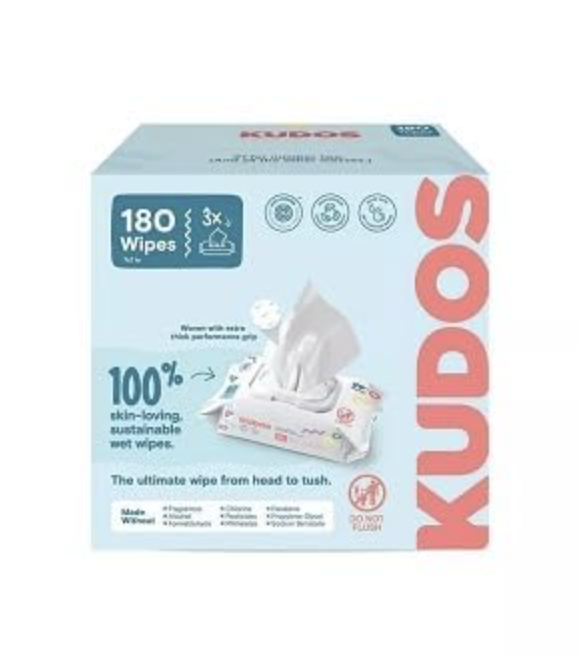
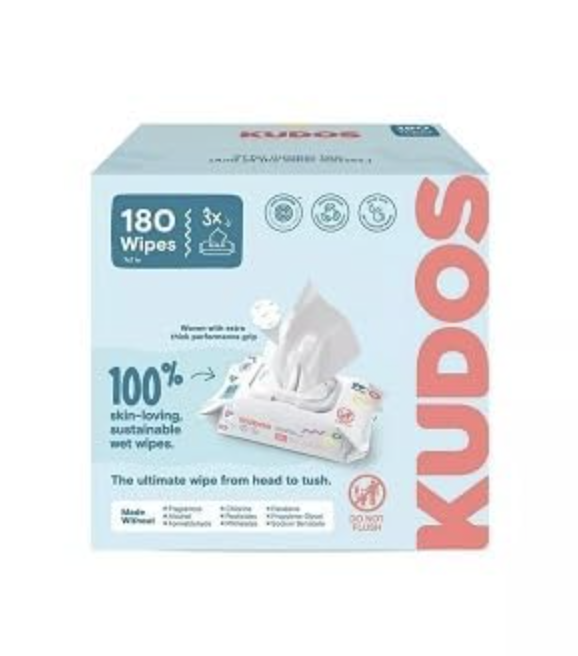
1. Kudos
Overview: Kudos diapers stand out for their 100% cotton liner, which touches your baby’s skin, paired with plant-derived absorbent layers and sustainable pulp. They’re OEKO-TEX certified and free of chlorine, fragrance, and latex.
Best for: Parents who want natural materials where it matters most.
Pros:
Cotton liner for sensitive skin
Good absorbency and leak protection
Cons:
Still uses certain petrochemical-based components
Not fully biodegradable yet
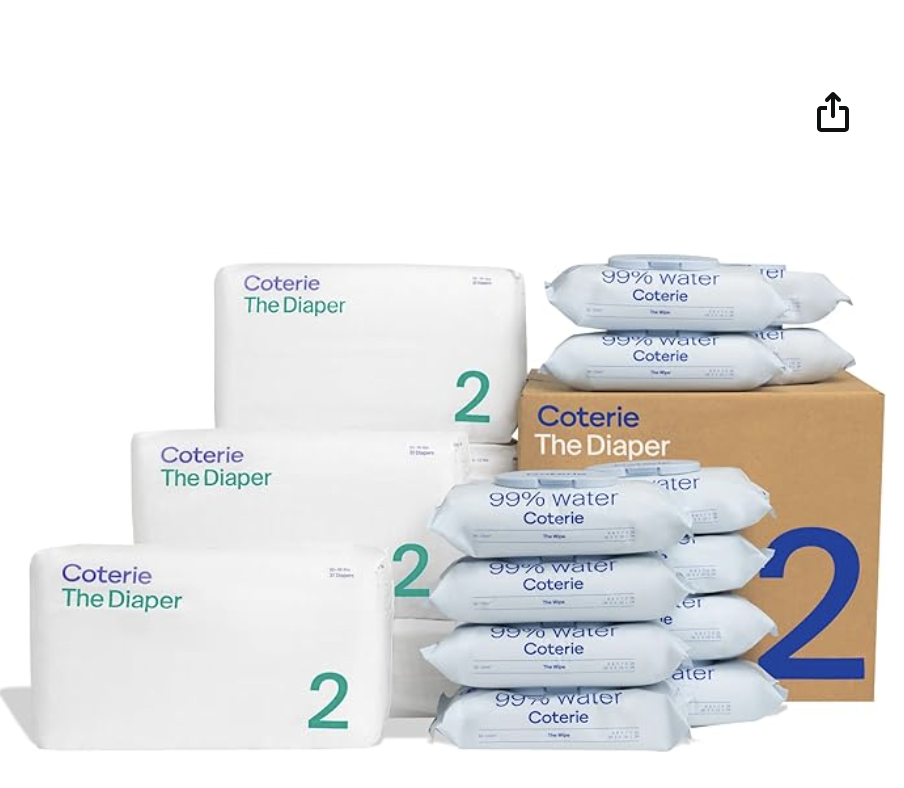
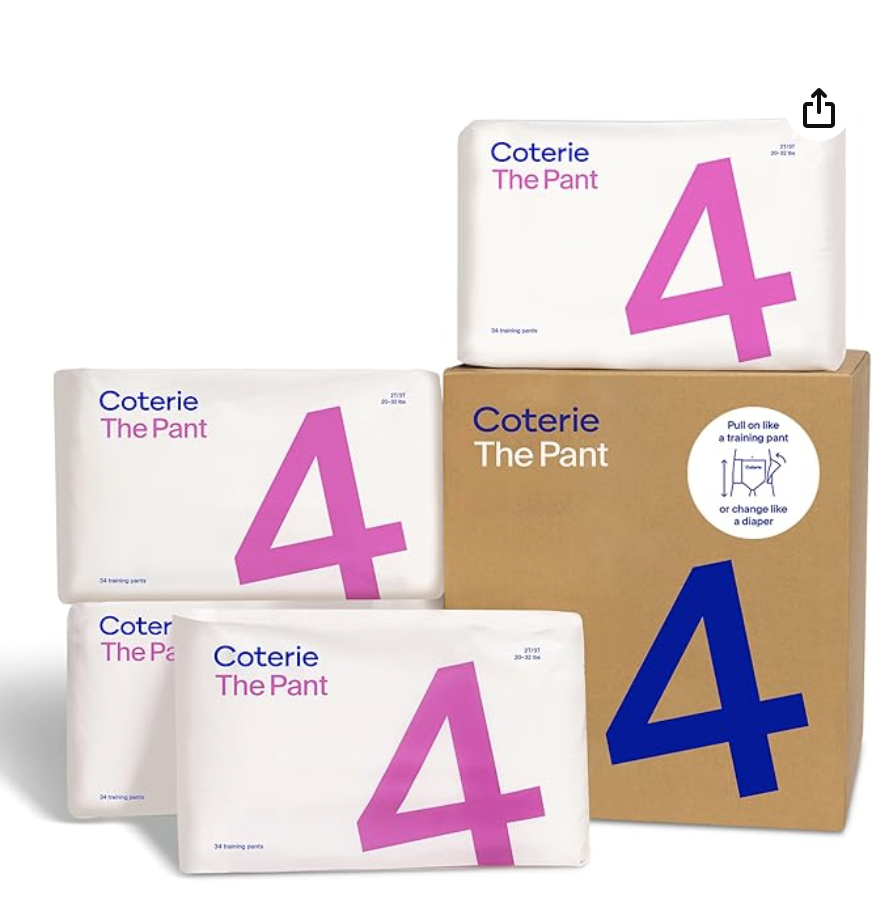
2. Coterie
Overview: Coterie is one of the most well-reviewed premium sustainable diaper brands, known for ultra-soft diapers with ~25% plant-based materials, dermatologist testing, and excellent leak protection.
Best for: Families wanting top-tier comfort and performance.
Pros:
Exceptionally soft and absorbent
Free of harsh chemicals
Hypoallergenic
Cons:
Pricier than many competitors
3. Abby & Finn Diapers
Overview: Abby & Finn offers diaper subscriptions that focus on chemical-free construction and responsibly sourced wood pulp. Their diapers are fully vegan and cruelty-free with TCF material.
Best for: Eco-conscious parents looking for a budget-friendly, clean option.
Pros:
Vegan and cruelty-free
Totally chlorine free
Hypoallergenic
Cons:
Only about 35-40% biodegradable
Some synthetic components still in use

4. Andy Pandy Diapers
Overview: Andy Pandy uses bamboo viscose fibers, a renewable plant-based material, making these diapers soft and gentle. They’re free of chlorine, latex, and fragrances. Flavorful Explorer+1
Best for: Babies with sensitive skin and parents wanting high biodegradability.
Pros:
Bamboo-based and hypoallergenic
Good daytime performance
Cons:
Some parents report lower overnight absorbency compared to premium brands

5. Attitude Baby Diapers
Overview: Attitude diapers are made from more than 50% biodegradable raw materials and are chlorine-free, fragrance-free, and skin-friendly. Planet Pristine
Best for: Those who prioritize biodegradable raw materials and affordable sustainability.
Pros:
Strong eco credentials
Hypoallergenic
Cons:
Not as plant-based as some others

6. Joonya Diapers
Overview: Joonya is a European sustainable diaper brand with EU Ecolabel and Nordic Swan certification, meaning their products meet strict environmental and health standards — including vegan, cruelty-free, and allergen-tested materials. Joonya US+1
Best for: Parents who want certified eco standards and transparency.
Pros:
FSC-certified wood pulp
Tested for allergens and harmful chemicals
Tree-planting initiative
Cons:
Availability limited compared to major U.S. brands

7. Bambo Nature
Overview: Bambo Nature is a long-running leader in eco diapers. They hold Nordic Swan and Oeko-Tex certifications, are chlorine-free, and use sustainably sourced wood pulp. Green Matters
Best for: Babies with very sensitive skin and parents seeking trusted sustainability.
Pros:
Excellent absorbency
Highly rated for eco-credentials
Cons:
Slightly higher price point

8. Happy Little Camper Diapers
Overview: A B Corp sustainable diaper brand, Happy Little Camper uses GMO-free materials and aloe and vitamin-infused layers for skin comfort. Green Matters
Best for: Families who want natural-infused diapers with environmental considerations.
Pros:
FSC-certified materials
Free from many harmful additives
Cons:
Ratings tend to be middling compared to top-tier brands

9. Eco Pea Co. Diapers
Overview: Eco Pea Co. focuses on bamboo-based, compostable components with excellent absorbency and soft materials. Flavorful Explorer
Best for: Parents seeking biodegradability and sensitive-skin friendliness.
Pros:
Bamboo primary material
Compostable packaging
Cons:
Compostability may require industrial facilities
10. Nest Diapers
Overview: Nest baby diapers are often recognized as cleaner alternatives to conventional diaper brands, using sustainably sourced wood pulp and prioritizing fragrance-free design. Planet Pristine
Best for: Parents who want clean materials at a mid-range price.
Pros:
Hypoallergenic
Free of many harsh chemicals
Cons:
Not the most biodegradable
11. Little Toes Diapers
Overview: Little Toes diapers often rank well among non-toxic and sustainable diaper brands, with a relatively high plant-based component and minimal harsh additives. Wholesome Children
Best for: Families looking for balanced eco performance and price.
Pros:
Good plant-based materials
Hypoallergenic profile
Cons:
Availability and specific certifications vary
Quick Comparison: Key Sustainability Features
BrandPlant-BasedChlorine-FreeCertificationsBest ForKudosPartial✓OEKO-TEXSensitive skinCoteriePartial✓Dermatologist testedPremium performanceAbby & FinnPartial✓PETA VeganBudget ecoAndy PandyHigh✓BambooSensitive skinAttitudeModerate✓—Value ecoJoonyaModerate✓EU EcolabelCertified ecoBambo NatureHigh✓Nordic SwanSensitive skinHappy Little CamperPartial✓FSCNatural infusedEco Pea Co.High✓—Compostable focusNestModerate✓—Mid-price cleanLittle ToesModerate✓—Balanced choice
How to Choose the Right Sustainable Diaper Brand for You
Your choice of sustainable diaper brand depends on your priorities:
Best overall eco performance: Bambo Nature, Joonya, Eco Pea Co.
Best for sensitive skin: Coterie, Andy Pandy, Joonya
Best budget eco choices: Abby & Finn, Attitude
Best plant-based components: Eco Pea Co., Andy Pandy, Bambo Nature
Because every baby is different, many parents find it helpful to sample a few brands before committing to one for daily use.
Final Thoughts on Sustainable Diaper Brands
Choosing from the top sustainable diaper brands means striking a balance between environmental impact, baby comfort, and budget. Brands like Bambo Nature and Joonya offer high standards with respected certifications, while Coterie’s premium performance makes it a favorite among parents focused on comfort and leak protection. Budget-friendly brands like Abby & Finn and Attitude provide solid eco-friendly options without breaking the bank.
With so many sustainable diaper brands on the market today, you can confidently find a diaper that supports both your baby’s health and the planet’s well-being.

What Happens When You Don’t Have a Birth Doula Contract

A birth doula contract may not feel like the most important part of your work—but when something goes wrong, it quickly becomes the most important document you don’t have.
Many birth doulas rely on verbal agreements or informal emails, especially early in their careers. While trust and connection are essential in birth work, lack of a written birth doula contract can leave you financially vulnerable, emotionally drained, and legally exposed.
Here’s what can actually happen when you don’t have a doula contract in place.

1. Payment Disputes and Refund Requests
One of the most common issues birth doulas face without a contract is disagreement over payment. A client may feel disappointed if their birth doesn’t go as planned and decide they deserve a refund—partial or full.
Without a written birth doula contract outlining:
Fees
Deposits
Non-refundable portions
Payment timelines
…you have very little protection. Even if you provided continuous support, emotional dissatisfaction can quickly turn into a financial dispute.
2. Unclear On-Call Expectations
Birth is unpredictable, and so is availability. Without a contract, clients may assume you are:
On call earlier than agreed
Available indefinitely
Obligated to attend no matter the circumstances
A clear birth doula contract defines your on-call window, when labor support begins, and when it ends. Without it, boundaries are harder to enforce—especially during emotionally charged moments.

3. Backup Doula Confusion
If you are sick, at another birth, or facing an emergency, clients may feel blindsided if there is no clear backup plan.
Without a contract addressing:
Backup doula policies
Whether clients must accept a backup
Refund expectations
…misunderstandings can escalate quickly. These conversations are extremely difficult to navigate once labor has started.
4. Scope of Practice Risks
Birth doulas are non-medical professionals, but without clear documentation, clients may still expect medical advice, decision-making, or advocacy beyond your role.
A birth doula contract protects you by clearly stating:
You do not provide medical care
You do not diagnose or treat
Clients remain responsible for medical decisions
Without this clarity, you may be exposed to unnecessary risk.

5. Emotional Burnout and Boundary Erosion
Repeated misunderstandings, unpaid labor, and unclear expectations can lead to resentment and burnout. Over time, this impacts your ability to show up fully for families—and can push doulas out of birth work altogether.
A contract supports sustainability. It allows you to do this work with clarity, confidence, and longevity.
Why Every Birth Doula Needs a Contract
A birth doula contract isn’t about mistrust. It’s about:
Protecting your time and income
Creating professional clarity
Supporting families through transparency
Ensuring your business is sustainable
If you’re offering labor support, on-call availability, or backup coverage, a written contract is not optional—it’s essential.

Get a Ready-to-Use Birth Doula Contract
If you want a professionally written birth doula contract template designed specifically for real-world birth scenarios, you don’t need to start from scratch.
👉 Purchase the Birth Doula Sample Contract here:
https://ctdoulas.com/store/p/birthdoulacontract
This template is ideal for birth doulas who want clear boundaries, legal protection, and confidence in their business—before problems arise.
Not ready to take the plunge? Grab my free Doula Contract checklist here.
Thrush in Breastfeeding: What It Is, Signs, and How to Care for It
Many breastfeeding parents search for “thrush” when they notice nipple pain, redness, or a baby with white patches in their mouth. It refers to a yeast infection caused by Candida albicans. Thrush can affect the nipples, breasts, and a baby’s mouth at the same time, which is why it often keeps coming back if not treated fully.
Breastfeeding thrush can be painful, frustrating, and emotionally draining—especially when feeding already feels hard. The good news is that thrush is common, treatable, and usually temporary when addressed properly.
This guide explains what thrush is, how to recognize it, and how to care for thrush while continuing to breastfeed safely.
What Is Thrush?
Thrush is a fungal infection caused by yeast. Yeast naturally lives on our skin and in our bodies, but it can overgrow under certain conditions. Warm, moist environments—like the mouth or nipples—make it easier for yeast to thrive.
In breastfeeding, thrush often spreads back and forth between parent and baby. Even if only one of you has symptoms, both usually need treatment to prevent reinfection.
Thrush is not related to poor hygiene. It can happen even with excellent breast care and cleaning habits.
What Causes Thrush While Breastfeeding?
Several factors increase the risk of developing thrush during breastfeeding:
Antibiotic use (for parent or baby)
Cracked or damaged nipples
Using breast pads that stay wet
Diabetes or immune system changes
Hormonal shifts after birth
Baby having oral thrush or diaper rash
Previous vaginal yeast infections
Sometimes thrush appears without a clear cause. Breastfeeding changes the skin and moisture balance of the nipples, which can allow yeast to grow more easily.
Signs of Thrush in the Breastfeeding Parent
Thrush pain is often described differently than latch pain. Common symptoms include:
Sharp, burning, or stabbing pain in the nipples or breasts
Pain that continues after feeding ends
Shiny or flaky nipples
Pink or bright red nipples
Itchy or irritated nipples
Cracks that do not heal
Sudden pain after weeks of comfortable feeding
Thrush pain may feel deeper in the breast and may radiate into the chest wall or back. It often feels worse between feeds rather than just during latch.
Signs of Thrush in Babies
Babies can also show symptoms of thrush, including:
White patches on tongue, gums, or cheeks
Milk residue that does not wipe away
Fussiness during feeding
Refusing the breast or bottle
Clicking or pulling off
Diaper rash that does not improve
Some babies carry yeast without showing symptoms, which is why treating both parent and baby is important.
How Thrush Is Diagnosed
Thrush is often diagnosed based on symptoms rather than lab testing. Providers look at nipple appearance, pain patterns, and baby’s mouth.
Because thrush can mimic vasospasm, bacterial infection, or latch problems, it is important to get a proper evaluation from a lactation professional or healthcare provider.
Misdiagnosed thrush can lead to unnecessary treatment, while untreated thrush can become more painful and persistent.
Can You Breastfeed With Thrush?
Yes, you can usually continue breastfeeding while treating thrush.
Breastfeeding does not harm your baby during treatment, and stopping suddenly may increase engorgement and discomfort. Treatment works best when breastfeeding continues normally.
However, pain may make feeding difficult. Support from a lactation consultant or postpartum provider can help adjust positioning and protect your milk supply during recovery.
Medical Treatment for Thrush
Medical treatment usually includes antifungal medication for both parent and baby.
Common options include:
Topical antifungal creams for nipples
Oral antifungal medication for baby
Oral medication for parent in severe cases
Both parent and baby must be treated at the same time, even if only one has symptoms. Otherwise, thrush can pass back and forth.
Always complete the full course of medication, even if symptoms improve early.
Home Care and Hygiene During Thrush Treatment
In addition to medication, hygiene steps help stop reinfection:
Wash hands before and after feeding
Change breast pads frequently
Wash bras, towels, and burp cloths daily in hot water
Sterilize pump parts, bottles, and pacifiers
Allow nipples to air dry after feeds
Avoid using nipple shields unless advised
Avoid sharing towels or washcloths
Some parents boil pump parts once daily during active infection. These steps reduce yeast growth and prevent recurrence.
Natural and Comfort Measures
Some families use supportive measures alongside medical treatment:
Keeping nipples dry
Using breathable cotton bras
Avoiding sugary foods temporarily
Supporting immune health
Ensuring baby’s mouth is checked
These are not replacements for antifungal medication but may help healing and comfort.
How Long Does Thrush Last?
With proper treatment, thrush usually improves within several days. Pain may linger for a week or longer while tissue heals.
If symptoms do not improve after a full treatment course, reassessment is needed. Persistent thrush may actually be bacterial infection or nipple vasospasm.
Never ignore ongoing pain—breastfeeding should not hurt long term.
When to Call a Provider
Contact a provider if:
Pain is severe or worsening
Cracks or bleeding appear
Baby refuses feeds
White patches appear in baby’s mouth
Diaper rash does not heal
Symptoms last longer than one week
Early treatment prevents long-term discomfort and feeding disruption.
Emotional Impact of Thrush
Thrush can be emotionally exhausting. Pain during feeding can lead to anxiety, dread, or thoughts of stopping breastfeeding.
This does not mean you are failing. Thrush is common and treatable. Many parents need support during this time, including reassurance, practical feeding help, and rest.
Breastfeeding challenges are not personal failures—they are medical and physical issues that deserve care.
Thrush vs. Other Breastfeeding Problems
Thrush is often confused with:
Latch trauma
Vasospasm
Bacterial mastitis
Milk blebs
Contact dermatitis
If antifungal treatment does not help, another diagnosis should be explored.
A correct diagnosis saves time, pain, and frustration.
Final Thoughts on Thrush in Breastfeeding
If you searched for “thrush”, you are not alone. Many parents experience thrush while breastfeeding, and it can be overwhelming when feeding suddenly becomes painful.
Thrush is common.
Thrush is treatable.
Thrush does not mean you must stop breastfeeding.
With proper care, pain usually resolves, and feeding becomes comfortable again.
If you are struggling with nipple pain, white patches, or feeding distress, reaching out for professional lactation support can make a huge difference in recovery and confidence.

Do Birth Doulas Really Need a Contract?
Birth work is built on trust, intuition, and deep human connection. As a birth doula, you’re often invited into one of the most vulnerable and intimate moments of a family’s life. Because of that, many doulas hesitate to use contracts—worrying they feel too “business-like” for such sacred work.

So let’s address the question head-on:
Do birth doulas really need a contract?
The answer is yes—and not because you expect conflict, but because you value clarity, professionalism, and sustainability.
A birth doula contract doesn’t create distance. It creates safety—for you and for the families you serve.

Why So Many Birth Doulas Skip Contracts (At First)
Many birth doulas come into this work through passion, calling, or lived experience—not formal business training. It’s common to hear:
“I explain everything during the consult.”
“I trust my clients.”
“I’m just starting out.”
“Birth is unpredictable—how can a contract cover that?”
Here’s the reality: birth is unpredictable, and that’s exactly why a written agreement matters.
When labor is long, plans change, emotions run high, or outcomes differ from expectations, memories get fuzzy. A contract ensures everyone is grounded in the same understanding—before labor begins.

What a Birth Doula Contract Actually Does
A well-written birth doula contract clearly outlines:
What services you provide (and what you don’t)
Your on-call period and availability
When labor support begins and ends
Backup doula arrangements
Fees, deposits, and payment schedules
Refund and cancellation policies
Client responsibilities
Scope of practice and non-medical role
Liability limitations
In short, it answers the question:
“What happens if things don’t go as expected?”
Because in birth—something almost always doesn’t.
What Can Go Wrong Without a Birth Doula Contract
Most doulas don’t realize they need a contract until they’re already dealing with a difficult situation. Common issues include:
1. Disappointment Turning Into Payment Disputes
A client may feel:
The birth didn’t go the way they imagined
Support wasn’t “what they expected”
They want a partial or full refund
Without a contract, it becomes your word against theirs.
2. Undefined On-Call Expectations
Clients may assume:
You’re available weeks earlier than agreed
You’ll stay indefinitely during labor
You’ll provide support beyond your contracted time
A contract clearly defines when your on-call period starts and ends and what support looks like in real time.
3. Backup Doula Confusion
If you are:
Already at another birth
Sick or injured
Experiencing an emergency
A contract answers:
Whether a backup will attend
If the client must accept the backup
Whether refunds apply
These are not conversations you want to have during labor.
4. Scope of Practice Risks
Birth doulas are non-medical professionals, but without clear language, clients may still:
Ask for medical advice
Expect advocacy beyond your role
Misunderstand your responsibilities
A contract protects you by clearly stating your scope of practice and limitations.
A Contract Protects Families, Too
Birth doula contracts aren’t just about protecting you.
They also:
Help families understand what continuous labor support actually looks like
Set realistic expectations around birth outcomes
Reduce misunderstandings during emotional moments
Provide clarity during an already overwhelming time
Families often feel safer knowing everything is clearly spelled out.
Common Myths About Birth Doula Contracts
“Contracts scare clients away.”
Professional, confident clients expect contracts. In fact, many see them as a sign of experience and credibility.
“I’m new—I don’t need one yet.”
New birth doulas often need contracts the most, because boundaries are still developing and confidence is growing.
“I can just write something quick myself.”
Poorly written contracts can create legal gaps, contradictory language, or unenforceable clauses. A professionally drafted template saves time—and stress.
What Makes a Strong Birth Doula Contract?
A good birth doula contract is:
✔ Written in clear, plain language
✔ Specific to birth support (not generic doula work)
✔ Aligned with real-world birth scenarios
✔ Easy to customize for your practice
✔ Updated as your business evolves
Your contract should reflect how you actually work—not how you think you work on a calm day.
When Birth Doulas Should Update Their Contracts
You should review or update your contract if you:
Change pricing or packages
Adjust on-call windows
Add virtual support
Work with backup doulas
Expand to VBACs, home births, or hospital-only support
Experience a challenging client situation
Your contract is a living document—not a one-time task.
So… Do Birth Doulas Really Need a Contract?
Yes. Without question.
Not because you lack trust.
Not because you expect problems.
But because:
Birth is unpredictable
Emotions run high
Your time and energy matter
Your work is professional
Your business deserves protection
A birth doula contract doesn’t take away from the heart of your work—it allows you to continue doing it sustainably.
Get a Ready-to-Use Birth Doula Contract Template
If you want a professionally written birth doula sample contract designed specifically for real-life birth scenarios—on-call windows, backups, scope of practice, and payment clarity—you don’t have to start from scratch.
👉 Purchase the Birth Doula Sample Contract here:
https://ctdoulas.com/store/p/birthdoulacontract
This template is ideal for:
New birth doulas
Experienced doulas refining their business
Agencies onboarding new doulas
Anyone ready to protect their work with clarity and confidence
Not ready to take the plunge? Grab my free Doula Contract checklist here.
3 Contract Mistakes New Doulas Make (and How to Avoid Them)
Starting a doula business is exciting—and overwhelming. You’re learning how to support clients, manage your schedule, and run a business all at once. One of the most common places new doulas struggle? Contracts.
A clear, professional doula contract protects both you and your clients. Unfortunately, many new doulas unknowingly make contract mistakes that lead to unpaid labor, burnout, or uncomfortable client conflicts.
Here are the three most common contract mistakes new doulas make—and how to avoid them.

Mistake #1: Not Using a Contract at All
Many new doulas start offering services with nothing more than a verbal agreement or a few text messages. While this may feel easier or more “personal,” it leaves you legally and professionally unprotected.
Without a doula contract:
Payment expectations can become unclear
Clients may cancel without notice
Boundaries around communication and availability are undefined
You have no written record of agreed-upon services
Even the most well-intentioned clients can misunderstand expectations when nothing is written down.

How to Avoid It
Always use a written doula contract, even if you’re offering discounted or sliding-scale services. Your contract doesn’t need to be complicated—but it does need to clearly outline:
Scope of services
Fees and payment schedule
Cancellation and rescheduling policies
Communication boundaries
Using a contract from the beginning sets you up as a professional and builds trust with clients.

Mistake #2: Vague or Incomplete Payment Terms
One of the fastest ways to experience burnout as a doula is inconsistent or unclear payment policies. New doulas often forget to include:
Retainer requirements
Payment due dates
Late fees
Holiday or overnight rate adjustments
When payment terms aren’t clearly spelled out, doulas may feel awkward enforcing them—or end up providing unpaid labor.
How to Avoid It
Your doula contract should clearly state:
When payments are due
Whether retainers are refundable
How remaining balances are billed
Late payment penalties
Any rate increases for holidays or special circumstances
Clear payment language protects your time and ensures your business remains sustainable.

Mistake #3: Missing Boundaries Around Communication and Safety
New doulas often want to be available all the time. Without boundaries written into your contract, clients may expect immediate responses at all hours or emotional support beyond the scope of your role.
Another common oversight? Failing to include safety, mandated reporting, or harassment clauses.
Without these protections, doulas may feel trapped in unsafe or uncomfortable situations.
How to Avoid It
Your contract should clearly define:
When and how clients can contact you
Response time expectations
Your role as a non-medical professional
Safety protocols and mandated reporting responsibilities
Your right to leave if harassment or abuse occurs
These sections aren’t about being “cold”—they’re about protecting everyone involved.

Why a Strong Doula Contract Matters
A professional doula contract:
Sets clear expectations
Reduces misunderstandings
Protects your time and energy
Supports ethical, sustainable doula care
Helps you show up fully for your clients
Contracts aren’t about distrust—they’re about clarity.

Final Thoughts for New Doulas
If you’re just starting out, investing time in your contract now will save you stress later. A clear, well-written doula contract allows you to focus on what matters most: supporting families with confidence and professionalism.
If you don’t want to start from scratch, using a professionally written doula contract template can help you avoid common mistakes while giving you room to customize for your services.
Ready to Protect Your Doula Business?
If you’re looking for a professionally written sample contract you can customize for your own practice, you can download both a Birth Doula Contract and a Postpartum Doula Contract from CT Doulas.
These contracts are designed specifically for doulas, with clear language around the scope of services, payment terms, communication boundaries, safety policies, and client responsibilities—so you don’t have to start from scratch.
✨ Bonus: When you download both contracts together, you’ll receive a built-in discount, making it an affordable way to protect your work and your time from the very beginning.
👉 Download the Birth & Postpartum Doula Contracts.
Investing in a solid contract now can save you from stress, unpaid labor, and misunderstandings later—so you can focus on providing confident, professional doula care.
My thoughts on Birthing Liberation by Sabia Wade
Healing Personal Trauma to Support Collective Liberation
One of the most impactful aspects of Birthing Liberation is its emphasis on personal trauma work as a necessary part of collective liberation. Wade makes clear that systemic change cannot happen without individual healing—and doulas are not exempt from this process.
Ironically, Sabia was my first doula. She finished up her certification process with my first birth—which wasn’t the most rock steady experience. I’ve never had the most normal births. I was in a hospital with a man who had previously abused me. The hospital didn’t really know how to handle it, and Sabia didn’t know the background—she had been a back up for my original doula Kerrie.
For doulas, this book encourages reflection on:
Personal bias and internalized systems
Trauma responses in birth spaces
The emotional labor of care work
Boundaries, burnout, and sustainability
By addressing both systemic oppression and individual healing, Birthing Liberation helps doulas become more grounded, self-aware, and resilient practitioners.
How This Book Shapes Birth Doula Practice
Reading Birthing Liberation can directly influence how birth doulas show up for clients. It supports doulas in:
Holding space without centering themselves
Advocating ethically without overstepping
Recognizing when systems—not individuals—are causing harm
Supporting clients navigating fear, mistrust, or medical trauma
This book also deepens understanding of why birth outcomes differ across communities and why advocacy must extend beyond the delivery room.
How Birthing Liberation Supports Postpartum Doula Work
Postpartum doulas often witness firsthand how systemic inequities affect families after birth. Wade’s work provides language and context for what many doulas observe but struggle to articulate.
For postpartum doulas, this book strengthens:
Trauma-informed postpartum care
Support for marginalized families
Awareness of long-term safety, housing, and resource access
Understanding postpartum mental health through a justice lens
It reminds doulas that postpartum care is not just about recovery—it’s about whether families can safely and sustainably thrive.
A Book That Expands Beyond Birth Work
While rooted in the birthing world, Birthing Liberation intentionally expands beyond it. Wade frames birth as the starting point for broader social and systemic change, making this book relevant not only to doulas, but to anyone committed to equity, justice, and liberation.
For doulas, this reinforces an important truth: birth work is political, whether we acknowledge it or not.
Birthing Liberation by Sabia Wade is not a light read—but it is a necessary one. For birth and postpartum doulas seeking to ground their education in reproductive justice, trauma awareness, and collective liberation, this book offers clarity, challenge, and purpose.
Reading it will not only shape how you support clients—it will shape how you understand your role within the larger birth justice movement.
If you are serious about ethical doula work, Birthing Liberation deserves a place in your education, your reflection, and your practice.
Cranial Sacral Therapy (CST) for Newborns & Postpartum Moms in Connecticut
If you're a new parent or approaching the postpartum period in southeastern Connecticut, you might be searching for gentle, effective ways to support both baby and you through this transformative time. That’s where a skilled local professional, such as a Cranial Sacral Therapist, can make a meaningful difference. Whether you're looking specifically for a “CT cranial sacral therapist” or a practitioner “near New London CT”, this blog post will help you understand what CST is, how it may benefit newborns and postpartum moms, and how to find the right provider in your region.
What is Cranial-Sacral Therapy?
CST is a gentle, hands-on bodywork approach that focuses on the craniosacral system—the membranes and cerebrospinal fluid that surround the brain and spinal cord. Brilliant Births+2abmp.com+2 Practitioners use very light touch (sometimes described as less than 5 grams of pressure) to “listen” to the rhythms of tissue, fluid, and fascia and support releases of tension and restrictions. Midwifery Today
In the context of newborns and postpartum moms, CST aims to:
Release restrictions in baby’s head, neck and low back that may have developed during the birth process. Birth Injury Help Center
Support the body’s nervous system regulation, helping reduce tension, stress, and support healing. family-seasons.com
Support musculoskeletal alignment, pelvic health, and postpartum recovery in moms. Craniosacral GR
Benefits for Newborns & Infants
When it comes to babies, the transition from the womb to the outside world can involve significant physical adjustment: skull compression, rapid shifts in circulation, feeding challenges, sleep issues, and more. Here’s how CST may help:
Improved breastfeeding and latch.
Babies who struggle to latch or who have tongue-tie, tight neck muscles, or jaw restrictions may benefit from CST that addresses restrictions in the head, neck, and jaw. Teaching Babies ... According to one article:
“Craniosacral therapy eases the tightness in the baby’s mouth, head and neck, leading to breastfeeding success.” Birth Injury Guide
Reduced colic, reflux, and fussiness.
Some research has found that CST may help infants with colic, crying, and sleep issues. For example, one randomized controlled trial found statistically significant improvements in crying hours and better sleep in infants with colic who received CST. PubMed
Better structural and nervous system balance.
By gently working on the craniosacral system and fascia, CST may help infants settle into their bodies, move more freely, and regulate their nervous system more easily. cranialtherapycentre.com
Gentle and non-invasive.
CST sessions for infants are typically very gentle—often done while the baby is clothed and lying in a parent’s lap or on a table—and involves minimal pressure. cranialtherapycentre.com
So if you’re looking for a cranial sacral therapist near New London CT to support your baby’s feeding, sleep, or nervous system regulation, CST is worth considering in addition to standard pediatric or lactation support.
Benefits for Postpartum Moms
The postpartum period is a time of immense change—in your body, your hormones, your sleep, and your sense of self. A well-trained cranial sacral therapist in CT (or “CT cranial sacral therapist”) can support this period through several key mechanisms:
Pelvic health and musculoskeletal realignment.
Pregnancy, labor, and delivery place stress on the pelvis, sacrum, back, and pelvic floor. CST can help release restrictions and support healing of the pelvis and associated structures. Midwifery Today
Emotional regulation and nervous system balancing.
Postpartum moms often face stress, fatigue, hormone shifts, and sometimes trauma (whether from birth experience, C-section, or just the intensity of new parenthood). CST’s gentle touch may help shift the nervous system from “fight/flight” into more restful states, supporting better sleep, reduced tension, and improved emotional well-being. The Utah Birth Place
Support for breastfeeding and mother-baby connection.
When mom’s body is more comfortable, less tense, and better regulated, her ability to nurse, bond, and heal improves. Combining CST sessions for mother and baby can be especially supportive. Midwifery Today
Overall well-being and recovery.
Whether it’s relief from back/rib pain, better sleep, reduction of fatigue, or improved posture and circulation, CST can be a holistic piece of postpartum care. Craniosacral GR
If you are looking for a CT cranial sacral therapist specializing in postpartum care (and/or newborns), look for practitioners who highlight this particular work and have training in perinatal/infant CST.
How to Find the Right Provider Near New London, CT
When searching for a cranial sacral therapist near New London CT (or more broadly in Connecticut), here are some helpful steps and considerations:
Training & credentials.
Look for practitioners who have training from reputable institutes (for example, the Upledger Institute or other CST training bodies) and have experience working with infants and postpartum moms. Ask about additional certifications in pediatric or perinatal CST.Specialty with infants/postpartum.
Ask: “Do you regularly see newborns/infants? Do you support postpartum moms?” What kinds of issues do they commonly treat (e.g., feeding/latch difficulty, colic, mom’s pelvic pain)? A therapist familiar with these will be more attuned to your specific needs.Approach & environment.
Sessions should be gentle and calm; for babies, the environment should be comfortable (baby can be in lap or on the parent’s chest). For moms, ask about session length, setting, and how treatment synchronizes with baby if needed.Communication & comfort.
You'll want someone who explains what they are doing, why they are doing it, and what you might expect (for baby and for you). Trust and comfort matter.Referrals and reviews.
Ask other professionals you trust (midwives, doulas, lactation consultants) if they know CST providers in the area. Check online reviews or ask for testimonials (particularly working with newborns or postpartum).Safety & collaboration.
CST is gentle and non-invasive—but still ask about safety, especially for very young infants or if your baby has a complex medical history. A good therapist collaborates with your pediatrician, lactation consultant, or other care providers as needed.
Since you’re in the Southeastern Connecticut region, using search terms like “cranial sacral therapist New London CT”, “infant cranial sacral therapy CT”, or “CT cranial sacral therapist postpartum” should help you locate nearby providers.
What to Expect During a CST Session
For baby:
Baby lies on the parent’s lap or a comfortable table, typically clothed. cranialtherapycentre.com
Therapist uses very light touch over the skull, neck, sacrum and spinal influence. The work is subtle—sometimes the baby yawns, moves, or settles deeply.
Sessions may focus on issues like feeding/latch, neck/shoulder tension, digestive discomfort or sleep regulation. Chiro For Moms
Duration may be shorter for newborns (15-30 mins) and follow-up may be recommended after a few days/weeks.
For mom:
Mom lies in a comfortable setting; therapist may also integrate baby into session if desired.
Focus may include releasing pelvic, sacral, back, rib or pelvic-floor tension; supporting nervous system regulation; and supporting overall postpartum healing. Craniosacral GR
Sessions last around 30-60 minutes; some moms find multiple sessions beneficial over 4-8 weeks.
Important Considerations & Evidence
It’s worth noting that while many practitioners and families report positive outcomes with CST, the evidence base is still emerging. One systematic review found only low certainty of evidence for CST’s effectiveness across a variety of conditions. PMC
Nevertheless, for newborns and infants, multiple practitioner articles and case studies suggest benefits in areas like feeding/latch, cranial strain, sleep and colic. Lactation Consultant Charleston, SC
As with any therapeutic approach, CST should be used as complementary care alongside standard medical, lactation, and postpartum support—not as a replacement.
Taking Action: Is CST Right for You and Your Baby?
Ask yourself these questions:
Is my baby having feeding/latch struggles, reflux, colic, sleep issues or tense neck/shoulder muscles?
Am I, as a parent, experiencing ongoing musculoskeletal pain (pelvis/back/ribs), sleep trouble, emotional stress, nervous system dysregulation or tension from caring for a newborn?
Have I consulted or ruled out other care needs (pediatric evaluation, tongue/lip tie for baby, pelvic-floor or postpartum physical therapy for mom)?
Am I looking for a gentle, hands-on support approach that complements my existing care team?
If yes to any of the above, a CT cranial sacral therapist or cranial sacral therapist near New London CT may be a supportive addition to your care. Reach out, ask about their infant and postpartum work, schedule a consultation, and let your body and sweet baby guide you.
Final Thoughts
The journey into parenthood and postpartum life is full of wonder, joy—and sometimes physical, emotional and nervous system strain. Whether you’re a newborn requiring gentle support or a postpartum mom seeking balance and relief, CST offers a softly powerful modality that focuses on your body’s innate ability to heal, reset and align.
By finding a qualified provider in the CT region—especially someone experienced with infants and postpartum bodies—you can access an extra layer of care that supports sleeping, feeding, healing and bonding.
Your body, and your baby’s body, deserve care that listens, supports and nurtures. 💛
Doulas and Insurance: Does Tricare Cover Doulas
The easy answer? Yes, Tricare-authorized doulas are an option when giving birth as a military spouse or as someone with Tricare. If you are giving birth at a military hospital or clinic, this information does not apply to you. Unfortunately, if you are at a military hospital or clinic, you cannot get coverage for certified labor doulas.
A Tricare doula doesn’t necessarily mean that you have coverage. To get Tricare doula coverage, work with OBGYNs and CNMs who accept Tricare and have a participation agreement. To find a Tricare authorized doula, please reach out to me via email.
I keep a list of Tricare-authorized doulas organized by location. If you plan to give birth in Southeast CT or in Charleston, SC, I have you covered. Whether you plan to give birth at home or in a hospital, many of these doulas have experience with both options.
Childbirth and Breastfeeding Support
Tricare benefits cover breastfeeding support services and demonstrations. They also include doula support during childbirth. You can get up to 8 hours of visits before or after birth. Whether you’re 20 weeks pregnant, 27 weeks pregnant, or 36 weeks pregnant, you can always benefit from a certified labor doula.
During your prenatal or postnatal care, you can schedule up to 8 hours of visits, split into 15-minute increments. This support could include working on birth plans, labor and delivery education, breastfeeding support, and more. Tricare childbirth and breastfeeding coverage plans are to expand even more after December 31, 2026.
Through Tricare, you can also receive coverage for breastfeeding counseling through lactation consultants or lactation counselors. Coverage may not include IBCLCs, but working with a lactation counselor or consultant is important for postpartum support.
Benefits of Working with a Tricare Doula for Military Spouses
My daughter is the child of someone who is Active Duty, and this specific topic is important to me. Giving birth alone can be an isolating experience, and one that I had my own journey with. For military spouses, working with a Tricare authorized doula is critical in my eyes. It protects you from being alone during the birthing process. And having a doula present means someone is always there, focused on you.
Whether your partner is deployed, working state-side, out to sea, or what have you, it can be tricky to ensure your partner will be there for the birth of your child. Working with a doula ensures you have someone there, focused on you, who can also help navigate notifying your spouse or trying to reach their command. Either way, when a doula is free through Tricare, to me, this is a no-brainer.
When hiring a Tricare doula, talk to them about your partner's current work situation. With your doula, have a conversation about what their day-to-day might look like in the two weeks before or after your due date—ensure to always remember OPSEC.
You may notify their ombudsman or similar that the doula may be calling with an update, and what the doula’s name and phone number are. You can also create a group chat with your partner and doula once you hit 36 weeks to notify them both of your progress.
Specialized Labor and Post Partum Doulas
The birthing event itself can be supported by a doula, but did you know that there are specialized doulas? The National Black Doulas Association offers doula support for BIPOC folks. Doulas may take other specific trainings, such as LGBTQ+ doulas, abortion doulas, and more. If it matters to you that a doula has special experience or training, ask them about it.
Great questions to ask in the interview process include the following:
How do most of your clients benefit from working with you?
What are the common struggles for your clients?
Do you have personal experience giving birth? How does that come up in your work as a doula?
How long have you been a Tricare authorized doula?
Do you offer breastfeeding support demonstrations?
What is your favorite part about being a doula?
What got you interested in becoming a doula?
How did you choose your doula training program?
Oat & Date Lactation Bites: The Best Foods for Breastfeeding and How to Increase Breastmilk Supply Naturally
Discover the best foods for breastfeeding and how to increase breastmilk supply naturally with these delicious oat and date lactation bite recipes. Nourishing, easy, and perfect for postpartum recovery.
Becoming a new parent is beautiful, transformative — and, let’s be honest, exhausting. Between sleepless nights and around-the-clock feeding, your body is doing an incredible amount of work. One of the simplest, most comforting ways to nourish yourself and support your milk supply is through food.
If you’ve been wondering how to increase breastmilk supply naturally, or what the best foods for breastfeeding are, you’re not alone. Many parents seek ways to boost lactation while keeping meals simple, satisfying, and nutrient-dense. That’s where oat and date lactation bites come in — wholesome, grab-and-go snacks designed to replenish your energy and fuel milk production.
These little bites are packed with galactagogues — foods known to support and increase breastmilk supply — and they’re delicious enough to feel like a treat. Let’s explore why oats, dates, and healthy fats are so powerful during the postpartum period, followed by three nourishing recipes you can make in minutes.
🌾 Why Oats and Dates Are the Best Foods for Breastfeeding
Oats and dates are two of the most nutrient-rich, naturally sweet, and supportive ingredients for breastfeeding parents.
Oats for Lactation Support
Oats are among the most well-known foods to support breastmilk production. They’re rich in iron, complex carbohydrates, and beta-glucan fiber, which may help stimulate the hormone prolactin — essential for milk production. Additionally, oats provide long-lasting energy and keep blood sugar stable, reducing postpartum fatigue.
Dates for Energy and Hormone Balance
Dates are a natural sweetener packed with potassium, magnesium, and iron. They help replenish your body’s nutrient stores after birth and may support oxytocin release — the same hormone responsible for letdown during breastfeeding. Dates also promote healthy digestion and sustained energy, which every new parent can appreciate.
Healthy Fats and Proteins
Adding ingredients like nut butters, seeds, and coconut provides essential omega-3s, which support both your brain health and your baby’s development. They also make snacks more filling and help keep your milk rich in fat and nutrients.
Together, oats, dates, and healthy fats make an ideal combination for postpartum nourishment and milk supply support.
🍯 Recipe 1: Classic Oat & Date Lactation Bites
Perfect for: Daily breastfeeding support and sustained energy
Ingredients:
1 ½ cups rolled oats
1 cup pitted Medjool dates (about 10–12)
½ cup natural almond butter (or peanut butter)
1 tablespoon ground flaxseed
1 tablespoon chia seeds
2 tablespoons honey or pure maple syrup
1 teaspoon vanilla extract
Pinch of sea salt
Instructions:
Soak dates in warm water for 10 minutes if firm, then drain.
In a food processor, pulse oats until they form a coarse flour.
Add dates, nut butter, flaxseed, chia seeds, honey, vanilla, and salt. Blend until a sticky dough forms.
Roll into 1-inch balls and refrigerate for at least 30 minutes to firm up.
💡 Storage Tip: Store in an airtight container in the fridge for up to a week, or freeze for longer.
Why it works:
This classic combination is filled with fiber, healthy fats, and lactation-friendly nutrients. The flax and chia provide omega-3s that support hormonal balance, while oats and dates help keep milk production consistent. These are perfect for a quick snack during middle-of-the-night feeds or when you need a one-handed breakfast.
🍫 Recipe 2: Chocolate Coconut Oat Balls for Milk Supply
Perfect for: Satisfying sweet cravings while supporting lactation
Ingredients:
1 ½ cups rolled oats
1 cup soft dates, pitted
¼ cup shredded unsweetened coconut
2 tablespoons cocoa powder
2 tablespoons coconut oil
2 tablespoons honey or maple syrup
1 tablespoon brewer’s yeast (optional, for an extra lactation boost)
1 teaspoon vanilla extract
Pinch of salt
Instructions:
Add oats and coconut to a food processor; pulse to mix.
Add dates, cocoa powder, coconut oil, honey, brewer’s yeast, and vanilla. Blend until a uniform dough forms.
Roll into small balls, then roll in extra coconut for texture if desired.
Chill for at least 20 minutes before enjoying.
💡 Optional boost: Add a scoop of unflavored protein powder to make these more filling for busy days.
Why it works:
Cocoa is not just delicious — it’s rich in magnesium and antioxidants, both of which support mood and energy. The brewer’s yeast has been traditionally used as a galactagogue and may help increase breastmilk supply naturally. Together, these ingredients make a snack that satisfies chocolate cravings while nourishing your body and supporting lactation.
🥜 Recipe 3: Peanut Butter Oat Date Energy Balls
Perfect for: Protein-packed, grab-and-go breastfeeding snack
Ingredients:
1 ½ cups rolled oats
1 cup dates, pitted
½ cup creamy peanut butter
1 tablespoon hemp seeds or flaxseed
2 tablespoons honey
½ teaspoon cinnamon
Pinch of salt
Instructions:
Add oats to a blender or food processor; pulse until finely ground.
Add dates and blend until a sticky dough forms.
Add peanut butter, honey, hemp seeds, cinnamon, and salt. Blend again until combined.
Roll into small balls and refrigerate for 30–60 minutes.
💡 Make it special: Add a drizzle of melted dark chocolate or sprinkle with crushed peanuts before chilling.
Why it works:
Peanut butter adds protein and healthy fats that keep you full and energized through long feeding sessions. Combined with dates and oats, this recipe provides sustained energy and helps keep blood sugar stable — key for maintaining a healthy breastmilk supply.
🌸 How to Increase Breastmilk Supply Naturally Through Nutrition
While there’s no single magic food that guarantees higher milk supply, certain ingredients consistently support lactation and overall health.
Here’s how to make the most of your diet while breastfeeding:
Eat regularly and include complex carbs.
Skipping meals can decrease milk output. Oats, whole grains, and fruits help maintain energy and supply.Stay hydrated.
Milk production depends heavily on fluid intake. Coconut water, herbal teas, and water-rich fruits like watermelon are excellent choices.Add lactation-boosting foods daily.
Incorporate flaxseed, brewer’s yeast, fennel, fenugreek, and sesame seeds into meals and snacks for added support.Prioritize rest and relaxation.
Stress can temporarily lower supply. Eating mindfully and resting when possible supports hormonal balance and healthy lactation.Seek professional support when needed.
If you’re struggling with supply or feeding, a postpartum doula or lactation consultant can offer personalized guidance and reassurance.
Remember, your body is unique — what works for one parent may differ for another. The goal is nourishment and balance, not perfection.
🩵 Why These Snacks Are Ideal for New Parents
Between feedings, diaper changes, and baby snuggles, sitting down for a meal isn’t always realistic. These oat and date lactation bites are portable, satisfying, and nutrient-dense — a quick way to replenish your energy and promote milk production.
They also make thoughtful gifts for postpartum families — a homemade way to say, “I see you, and I want to nourish you.”
✨ Final Thoughts: Nourish Yourself to Nourish Your Baby
Caring for your baby begins with caring for yourself. By choosing wholesome, natural foods like oats, dates, and seeds, you’re giving your body the tools it needs to thrive — and ensuring your milk supply stays strong and nourishing.
These oat and date lactation bites are more than snacks — they’re small acts of self-care in the midst of the beautiful chaos of new parenthood.
So, next time you reach for a quick bite between feedings, make it something that fuels both you and your baby. 💛
Doula Services in CT and NYC Eligible for Carrot Fertility Reimbursement: Support Through Pregnancy, Birth, and Postpartum
Choosing the right doula can make a meaningful difference in your pregnancy, birth, and postpartum experience. For families in Connecticut who have fertility and family-building benefits through Carrot Fertility, finding a doula in CT eligible for Carrot Fertility reimbursement is especially important.
Carrot Fertility is one of the leading fertility and family-forming benefit providers, and many employer-sponsored plans allow reimbursement for doula services. However, not all doulas are eligible. If you are searching for CT or NYC doulas that are eligible for reimbursement through Carrot Fertility, this guide explains what that means, why it matters, and how Eli Holmes of CTDoulas.com can support you.
What Does “Doula Services Eligible for Carrot Reimbursement” Mean?
A doula in CT who you can receive reimbursement through Carrot Fertility is a doula provider who meets Carrot Fertility’s professional and administrative requirements. This option allows families to submit doula services for reimbursement under eligible Carrot plans. Services include both labor and delivery and postpartum care.
Working with one of the recognized CT Carrot eligible doulas helps ensure:
Clear and compliant invoices for reimbursement
Professional, ethical, client-centered care
Reduced financial stress around doula services
Familiarity with Carrot’s documentation process
Because Carrot plans vary by employer, working with an experienced Carrot-eligible provider can simplify the entire process.
Why Choose a CT Carrot-Eligible Doula?
Financial Accessibility
Doula care is an investment in your well-being. Choosing a Carrot-eligible doula in CT allows many families to access this support while using existing fertility and family-building benefits.
Streamlined Reimbursement
CT Carrot-eligible doulas understand how to structure invoices and service descriptions to align with Carrot’s platform, reducing delays and confusion.
Professional Accountability
Carrot approval reflects a commitment to high standards of care, a clear scope of practice, and ethical client relationships.
Meet Eli Holmes
Eli Holmes is a trusted Carrot-eligible doula in CT, offering compassionate, evidence-based birth and postpartum support to families throughout Connecticut.
Eli provides individualized care that centers on informed consent, emotional safety, and advocacy. Families seeking CT Carrot-eligible doulas often choose Eli for their:
Experience working with Carrot Fertility benefits
Trauma-informed, inclusive care model
Clear communication and transparent pricing
Strong collaboration with medical providers
Deep knowledge of Connecticut birth resources
Eli also collaborates with regional doula networks, including partners serving all of Connecticut, helping ensure families can find local, reliable support when availability is limited.
Birth Doula Services with a Carrot Eligible Doula in CT
Birth doula support focuses on continuous care before, during, and immediately after labor. As a Carrot-eligible doula in CT, Eli Holmes offers:
Prenatal planning and education sessions
Support navigating medical options and interventions
Continuous labor support at home, hospital, or birth center
Comfort techniques such as positioning and breathing
Emotional support and advocacy during labor
Postpartum birth processing and debriefing
Evidence consistently shows that doula-supported births are associated with lower intervention rates and higher satisfaction.
Postpartum Doula Care Covered by Carrot
Many families are unaware that postpartum doula services may also be eligible for Carrot reimbursement. As one of the experienced CT Carrot-eligible doulas, Eli provides postpartum support designed to help families rest, recover, and gain confidence.
Postpartum doula services may include:
Newborn care education
Feeding support
Emotional support and mood screening
Light baby-related household assistance
Overnight postpartum care
Postpartum care is especially valuable for first-time parents, parents healing from difficult births, or families without nearby support.
For families in Connecticut needing additional local options, Eli often refers to trusted colleagues listed here, strengthening continuity of care.
Inclusive Support for All Families
Eli Holmes is committed to providing inclusive doula care. As a Carrot-eligible doula in CT, Eli proudly supports:
LGBTQIA+ families
Single parents
Families using IVF, surrogacy, or donor conception
Parents navigating infertility or pregnancy loss
Families with complex or high-risk pregnancies
Carrot Fertility benefits are frequently used by families with non-traditional paths to parenthood, making affirming and knowledgeable support essential.
How to Use Your Carrot Benefits with CTDoulas.com
Working with a CT Carrot-eligible doula makes the process straightforward:
Review your Carrot plan for doula coverage
Schedule services through CTDoulas.com
Receive a Carrot-compliant invoice
Submit documentation through your Carrot portal
Receive reimbursement based on your plan
Eli Holmes is familiar with Carrot’s requirements and can answer common questions during the booking process.
Why Families Choose Eli
Families searching for CT Carrot-eligible doulas consistently choose Eli for:
Personalized, relationship-based care
Experience with Carrot Fertility reimbursement
Strong local referral networks
Flexible postpartum and birth support options
Clear expectations and compassionate communication
Client-centered care backed by strong education and experience
Start with a Carrot Eligible Doula in CT
If you are looking for a Carrot-eligible doula in CT, Eli Holmes of CTDoulas.com offers professional, supportive care tailored to your needs. Whether you are preparing for birth or navigating the postpartum period, doula support can make your experience safer, calmer, and more empowered.
Visit CTDoulas.com to schedule a consultation or learn more about using your Carrot benefits.
Nourishing Postpartum Smoothies: The Best Foods for Breastfeeding and Increasing Breastmilk Supply
The postpartum period is a beautiful yet demanding time — your body is healing, your hormones are recalibrating, and you’re nourishing a newborn around the clock. One of the best ways to support your recovery and boost your milk supply is through nutrient-dense, hydrating foods.
When you’re busy feeding your baby and adjusting to new rhythms, smoothies are a lifesaver. They’re quick to prepare, easy to digest, and can be packed with ingredients known to support lactation and postpartum recovery.
Below you’ll find a collection of smoothie recipes designed specifically for breastfeeding parents, featuring some of the best foods for breastfeeding and increasing breastmilk supply — all in delicious, refreshing blends that fuel your body and your milk production.
🌿 The Best Foods for Breastfeeding and Milk Supply
Before we dive into the recipes, let’s talk about why certain ingredients help with lactation. The following foods are excellent for supporting healthy breastmilk supply and replenishing your body’s nutrients:
Oats: Rich in iron and fiber, oats may help increase milk production and stabilize energy.
Spinach and leafy greens: Loaded with calcium, magnesium, and folate to support bone strength and hormone balance.
Healthy fats (like avocado, coconut, and nut butters): Promote milk richness and provide sustained energy.
Flaxseed and chia seeds: Provide omega-3s and lignans that may support hormonal balance and milk flow.
Berries: Full of antioxidants and vitamin C to boost immunity and recovery.
Hydrating fruits (like watermelon and pineapple): Support hydration — essential for maintaining milk supply.
Hydration, rest, and frequent breastfeeding are key, but adding these lactation-friendly foods into your daily routine can make a noticeable difference.
🥥 Postpartum Smoothie Recipe: Pineapple Coconut Spinach
Perfect for: Rehydration, recovery, and replenishing electrolytes.
Ingredients:
1 (12-ounce) bottle of coconut water
Pinch of sea salt
1 cup frozen pineapple
1 large handful of organic spinach
1 spoonful of honey
1 serving of unflavored protein powder
Why it works:
Coconut water is rich in natural electrolytes like potassium and magnesium, helping new parents stay hydrated — which is vital for maintaining and increasing breastmilk supply. Pineapple offers bromelain, an enzyme that may reduce inflammation, while spinach adds iron, calcium, and folate, nutrients often depleted postpartum.
💡 Optional boost: Add 1 tablespoon of chia seeds or a splash of full-fat coconut milk for extra healthy fats to support milk quality.
🍌 A Favorite Postpartum Recipe: Banana Blueberry Smoothie
Perfect for: Energy, antioxidants, and milk-supportive nutrients.
Ingredients:
6 ounces of oat milk
1 tablespoon of honey
1 cup frozen blueberries
1 frozen banana
1 serving of unflavored protein powder
Why it works:
Oat milk and oats in general are often considered some of the best foods for breastfeeding, thanks to their high iron content, which supports milk production. Blueberries provide antioxidants and vitamin C, helping your body heal and boosting immunity. The natural sugars from banana and honey give you quick, steady energy to power through those long feeding sessions.
💡 Optional boost: Add 1 tablespoon of ground flaxseed or a few walnuts for an omega-3 and fiber upgrade.
🍫 Daily Wake-Up Postpartum Smoothie: Chocolate Peanut Butter Banana
Perfect for: Sustained energy, mood support, and a comforting treat.
Ingredients:
½ can full-fat coconut milk
1 banana
2 tablespoons peanut butter
1 tablespoon cocoa powder
1 cup oat milk
1 serving of unflavored protein powder
Why it works:
This smoothie is a postpartum powerhouse — rich in calories, protein, and good fats, all of which are essential for maintaining energy and increasing breastmilk supply. Peanut butter provides healthy monounsaturated fats and protein, while cocoa adds magnesium, a mineral that supports mood regulation and muscle recovery.
💡 Optional boost: Sprinkle in a little maca powder or brewer’s yeast — both are known in the lactation community to naturally support milk flow.
🍉 Postpartum Electrolyte Smoothie: Watermelon Lemon Refresher
Perfect for: Hydration, cooling, and gentle digestion.
Ingredients:
2 cups cubed watermelon (fresh or frozen)
Juice of ½ lemon
½ cup coconut water
1 teaspoon honey (optional)
Ice cubes as needed
Why it works:
Watermelon is made up of more than 90% water, making it one of the most hydrating foods for breastfeeding. Combined with lemon’s vitamin C and coconut water’s electrolytes, this smoothie helps replenish fluids lost through milk production.
💡 Optional boost: Add a few fresh mint leaves or a scoop of collagen powder for postpartum tissue recovery.
🌾 Simple Add-Ins to Support Milk Supply
You can easily turn any smoothie into a lactation-supportive blend by adding one or two of these milk-boosting ingredients:
Ground flaxseed or chia seeds – omega-3s and fiber for hormone balance
Oats or oat flour – iron-rich and linked to improved milk flow
Brewer’s yeast – traditional galactagogue (milk-boosting food) used by breastfeeding parents
Nut butters and coconut oil – nutrient-dense sources of energy and healthy fats
Dark leafy greens – natural sources of calcium, iron, and folate
These simple additions can help keep your milk supply consistent — especially during growth spurts or busy days when your body needs extra nourishment.
🩵 Why Smoothies Are Perfect for the Postpartum Period
Between sleepless nights and endless diaper changes, it’s easy to skip meals or forget to hydrate. Smoothies offer a quick, balanced, and soothing way to get the nutrients your body craves.
Benefits of postpartum smoothies:
Fast and convenient: Ready in minutes, even one-handed!
Hydrating: Fluids and electrolytes are essential for milk supply.
Customizable: Adjust sweetness, thickness, and flavor to your liking.
Digestive support: Blended fruits and greens are gentle on the stomach.
Mood-boosting: Ingredients like cocoa, bananas, and magnesium-rich greens can naturally lift energy and mood.
When combined with balanced meals, adequate rest, and frequent nursing, smoothies are a simple but powerful way to promote both healing and milk production.
🌸 Building a Daily Routine for Breastfeeding Nourishment
If you’re focused on increasing breastmilk supply naturally, consistency is key. Try incorporating one nutrient-dense smoothie a day, especially during the early postpartum months when your body’s nutritional needs are highest.
Sample Day of Milk-Boosting Nourishment:
Morning: Chocolate Peanut Butter Banana Smoothie
Midday: Oatmeal with flaxseed and fresh fruit
Snack: Pineapple Coconut Spinach Smoothie
Dinner: Salmon, quinoa, and roasted veggies
Before bed: Herbal lactation tea or a small Banana Blueberry Smoothie
Remember: every body is unique. Some foods may boost supply for one parent and not for another — the key is to stay hydrated, well-fed, and rested as much as possible.
Favorite First Meals for Toddlers: Nourishing Organic, Nutrient-Dense Foods for Growing Appetites
Watching your baby transition from purees to toddler meals is one of those joyful (and sometimes messy!) milestones every parent remembers. The highchair becomes a place of discovery — for tastes, textures, and independence. As your little one learns to feed themselves, it’s important to offer foods that not only delight their senses but also provide the vital nutrients their growing bodies and brains need.
In this post, we’ll explore favorite first meals for toddlers featuring organic, nutrient-dense ingredients that support development, energy, and a healthy relationship with food from the very beginning.
🥑 Why Nutrient-Dense Foods Matter for Toddlers
Between 12 and 24 months, toddlers experience tremendous growth — physically, cognitively, and emotionally. They need foods packed with vitamins, minerals, and healthy fats to fuel all that development. Nutrient-dense foods are those that deliver maximum nourishment per bite, including:
Healthy fats for brain development (like avocado and olive oil)
Iron and protein for muscle growth (found in beans, eggs, and meats)
Fiber for digestion (from fruits, vegetables, and whole grains)
Calcium and vitamin D for strong bones
Choosing organic ingredients whenever possible can also reduce exposure to pesticides and synthetic additives, supporting your child’s long-term health.
🥣 1. Creamy Oatmeal with Flax and Berries
A warm bowl of oatmeal is one of the most comforting first meals — soft, filling, and endlessly customizable. For toddlers, use steel-cut or rolled oats for texture and nutrients.
Recipe tip:
Cook oats in organic whole milk or a fortified non-dairy milk, then stir in a spoonful of ground flaxseed or chia seeds for omega-3 fatty acids. Top with mashed organic blueberries or raspberries for natural sweetness and antioxidants.
💡 Nutrient boost: Add a swirl of nut butter (like almond or sunflower) for protein and healthy fats.
🍠 2. Mashed Sweet Potato with Coconut Oil and Cinnamon
Sweet potatoes are a toddler favorite — naturally sweet, bright, and packed with vitamin A, fiber, and beta-carotene for immune and eye health.
Recipe tip:
Steam or roast organic sweet potatoes until soft, then mash with a little coconut oil and a dash of cinnamon. This combo supports brain development and digestion, and it’s gentle on tiny tummies.
💡 For extra iron, stir in a spoonful of lentils or puree cooked chicken breast into the mash.
🥦 3. Broccoli and Cheese Mini Omelets
Eggs are one of the best sources of choline, a nutrient essential for brain development. These mini omelets are easy to hold, freeze well, and can be packed with veggies.
Recipe tip:
Whisk organic eggs with a splash of milk, then fold in finely chopped steamed broccoli, spinach, or zucchini, and sprinkle in a bit of shredded cheddar or nutritional yeast. Bake in a mini muffin tin until firm.
💡 Make it iron-rich by serving with a side of mashed avocado or sautéed greens.
🍚 4. Veggie Quinoa Bowl with Olive Oil
Quinoa is a complete plant protein and a fantastic alternative to rice for toddlers. It’s soft, mild, and easy to digest — ideal for those early “real food” meals.
Recipe tip:
Cook organic quinoa in low-sodium broth, then mix in finely diced carrots, peas, and zucchini. Drizzle with extra virgin olive oil for flavor and healthy fats.
💡 Make it a meal: Add shredded chicken or tofu for an extra protein boost.
🍎 5. Stewed Apples with Yogurt and Cinnamon
A naturally sweet and gut-friendly meal or snack. Stewing apples softens the fruit, making it perfect for toddlers still mastering chewing.
Recipe tip:
Simmer organic apples with a little water and cinnamon until soft. Serve warm or chilled over plain whole milk yogurt (or coconut yogurt) for probiotics, calcium, and protein.
💡 Upgrade it: Add crushed oats or a sprinkle of chia seeds for fiber and texture.
🥕 6. Hidden Veggie Pasta with Lentil Noodles
Pasta is always a hit — and with lentil or chickpea-based noodles, it becomes a protein-packed, iron-rich toddler meal.
Recipe tip:
Use organic tomato sauce blended with carrots, spinach, and zucchini. Stir into lentil pasta and drizzle with olive oil or a touch of butter for extra calories and satiety.
💡 Add variety: Try small pasta shapes like elbow macaroni or penne that are easy for little fingers to grasp.
🥑 7. Avocado and White Bean Mash on Soft Toast
This simple, satisfying meal is filled with plant-based protein, fiber, and healthy fats.
Recipe tip:
Mash ripe avocado with cooked white beans and a squeeze of lemon juice. Spread on lightly toasted whole-grain or sourdough bread, cut into small strips or triangles for easy eating.
💡 For variety: Add finely grated carrots or shredded cheese into the mash.
🍌 8. Banana and Spinach Pancakes
These toddler-friendly pancakes sneak in greens without compromising taste. Perfect for breakfast or snacks on the go!
Recipe tip:
Blend organic bananas, spinach, oats, eggs, and a drizzle of maple syrup. Cook in small rounds on a griddle with coconut oil. Serve with plain yogurt or nut butter for dipping.
💡 Storage tip: Freeze extras between parchment paper for easy weekday meals.
🐟 9. Salmon and Sweet Pea Patties
For toddlers ready for more texture, these mini patties offer omega-3s for brain health and protein for growth.
Recipe tip:
Mix cooked, flaked wild salmon with mashed peas, an egg, and breadcrumbs. Form into small patties and pan-sear until golden.
💡 Serve with: Steamed veggies or mashed avocado for a nutrient-packed lunch.
🧁 10. Toddler “Super Muffins” with Veggies and Fruit
Muffins are great for busy mornings and snacks — and they can be as nutritious as a full meal.
Recipe tip:
Combine whole wheat flour, grated carrots, mashed banana, applesauce, and a handful of oats. Sweeten naturally with fruit, and add cinnamon or nutmeg for flavor.
💡 Power upgrade: Stir in hemp seeds or ground flaxseed for added protein and omega-3s.
🌱 Encouraging Healthy Eating Habits Early
Toddlers learn about food not just through taste, but through routine, modeling, and exploration. Encourage curiosity by letting them touch, smell, and help prepare simple meals. Offering small portions of new foods alongside familiar favorites builds trust and reduces mealtime stress.
A few nurturing reminders:
Keep meals relaxed: Avoid pressure or bribery — let your toddler lead.
Serve variety: Rotate proteins, grains, and colors on the plate.
Eat together: Family meals are powerful moments of connection and modeling healthy habits.
🩵 Supporting Your Toddler’s Nutrition Journey
As a doula or parent, feeding your toddler is one of the most rewarding ways to nurture their growth and independence. The goal isn’t perfection — it’s connection. By focusing on organic, nutrient-dense meals, you’re helping your little one develop a strong body, a curious palate, and a lifelong love of healthy foods.
If you ever feel unsure about meal transitions, food sensitivities, or balancing nutrition, consider connecting with a postpartum doula or family nutrition consultant. Support makes all the difference in those early years — for both parent and child.
Looking for more support as your baby transitions to solids and toddler meals?
💛 Schedule a postpartum consultation with Southeast CT Doula today! Together, we’ll create a feeding plan that nourishes your baby — and supports you, too.
Finding the Right Support: Your Guide to a New London CT Doula
Looking for a New London CT doula? Learn how a CT doula can support you before, during, and after birth with compassionate prenatal, birth, and postpartum care.
Bringing a new life into the world is one of the most profound experiences a family can have. Yet, it’s also one of the most challenging and overwhelming, especially for first-time parents. That’s where a New London CT doula can make all the difference. From prenatal guidance to birth support and postpartum care, a skilled doula provides emotional, physical, and informational support that empowers families every step of the way.
Whether you are expecting your first child or adding another little one to your family, hiring a CT doula ensures you don’t have to navigate the journey alone. Here’s everything you need to know about the vital role of doulas in New London and across Connecticut.
What is a Doula?
A doula is a trained professional who offers continuous support to families before, during, and after childbirth. Unlike medical professionals, doulas do not perform clinical tasks, but their presence and expertise can dramatically enhance your birth experience. They provide comfort, encouragement, and education tailored to your family’s unique needs.
There are three main types of doula services:
Prenatal Doula Services – Support during pregnancy, including birth planning, education, and emotional preparation.
Birth Doula Services – Continuous support during labor and delivery, helping families navigate the birthing process.
Postpartum Doula Services – Assistance after birth, focusing on newborn care, parental guidance, and emotional support.
Hiring a New London CT doula means working with someone who understands local resources, hospitals, and community networks, making the journey smoother for you.
Prenatal Support: Preparing for Your Baby
Pregnancy is a time of excitement, anticipation, and sometimes uncertainty. A CT doula can guide you through this period with compassionate, evidence-based support. Prenatal doula services often include:
Birth Education: Learning about stages of labor, birthing options, and what to expect.
Emotional Support: Addressing fears, anxiety, or stress throughout pregnancy.
Birth Planning Assistance: Crafting a personalized plan for labor and delivery.
Resource Guidance: Connecting families to local resources, parenting groups, and community services.
Prenatal support from a doula can empower you to make informed decisions, communicate effectively with your medical team, and feel confident as your due date approaches.
Birth Support: Your Advocate in the Delivery Room
One of the most significant roles of a New London CT doula is providing continuous labor support. Research consistently shows that families with doula support experience:
Shorter labor durations
Reduced need for interventions such as epidurals or cesarean sections
Higher satisfaction with the birth experience
Birth doulas provide comfort measures such as massage, breathing techniques, positioning guidance, and emotional encouragement. They act as advocates, ensuring your preferences are respected and helping you navigate unexpected challenges with calm and confidence.
For many families, the presence of a doula transforms labor from a stressful event into a shared, empowering experience.
Postpartum Support: Nurturing Your Family After Birth
The weeks following birth are often filled with joy, but they can also be exhausting and overwhelming. A CT doula can provide invaluable support during this transition, including:
Newborn Care: Assistance with feeding, sleep routines, and soothing techniques.
Parental Guidance: Tips on recovery, self-care, and adjusting to your new family dynamic.
Emotional Support: Helping navigate the emotional highs and lows, including postpartum mood changes.
Household Assistance: Light household tasks, meal prep, and sibling care to ease the family’s adjustment period.
Postpartum support ensures that parents feel supported, confident, and cared for during the critical early weeks, reducing stress and promoting family well-being.
Choosing the Right New London CT Doula
Finding the right doula is a deeply personal choice. Here are some tips to help you select the best CT doula for your family:
Experience and Training: Look for certified doulas with experience in prenatal, birth, and postpartum care.
Compatibility: Schedule consultations to ensure your personalities and values align.
References and Reviews: Ask for testimonials from other families to gauge the doula’s approach and effectiveness.
Services Offered: Confirm that the doula provides the specific support you need—prenatal, birth, postpartum, or all three.
Availability and Location: A local New London doula can respond quickly and understand nearby hospital protocols and community resources.
Your doula should feel like a trusted partner, someone who empowers and supports your family’s unique journey.
The Benefits of Doula Support in Connecticut
Families across Connecticut, including New London, are increasingly recognizing the value of hiring a CT doula. Benefits include:
Reduced stress and anxiety for parents
Greater confidence in decision-making
Enhanced support for partners and family members
Personalized care tailored to your needs
Smoother transition from pregnancy to parenthood
In short, a doula provides continuity of care and emotional support that can profoundly impact both parent and baby well-being.
Taking the Next Step
If you are expecting a baby in New London or anywhere in Connecticut, exploring doula support can be one of the most empowering decisions you make. Whether you want guidance during pregnancy, someone to advocate for you in the delivery room, or support as you adjust to life with a newborn, a New London CT doula can help you navigate every stage with confidence, comfort, and care.
Start by researching local doulas, reading reviews, and scheduling consultations to find a professional who aligns with your family’s values and needs. The right doula can turn what might feel overwhelming into a journey filled with support, reassurance, and joy.
Your Complete Guide to a Danbury CT Birthing Center Experience
Explore the benefits of a Danbury CT birthing center. Learn about birthing center CT services, personalized care, natural birth options, and tips for a safe, empowering birth experience.
Welcoming a new baby is one of life’s most transformative experiences. For many families, choosing where and how to give birth is as important as preparing for the baby itself. If you’re expecting in Connecticut, a Danbury CT birthing center offers a unique approach to childbirth that combines medical safety with a supportive, family-centered environment.
In this guide, we’ll explore everything you need to know about birthing center CT options, what to expect, and how to make the most of this empowering birth experience.
What is a Birthing Center?
A birthing center is a healthcare facility that provides a home-like environment for labor, delivery, and postpartum care. Unlike hospitals, birthing centers emphasize personalized care, minimal interventions, and natural childbirth practices.
Key features of a birthing center CT include:
Private, comfortable rooms designed to feel like home
Supportive staff including certified nurse-midwives, doulas, and lactation consultants
Focus on natural labor with optional pain relief methods like hydrotherapy or nitrous oxide
Immediate postpartum support for both parent and baby
Choosing a Danbury CT birthing center gives families a blend of safety, comfort, and empowerment that can make the birth experience more positive and memorable.
Benefits of Choosing a Birthing Center in CT
Families often choose a birthing center CT for a variety of reasons, from personalized care to reduced interventions. Here are some key benefits:
1. Personalized, Family-Centered Care
Unlike hospital labor wards, birthing centers focus on individualized care. Staff take the time to get to know you, your birth preferences, and your support team. This continuity of care ensures that you feel supported throughout pregnancy, labor, and postpartum recovery.
2. Lower Intervention Rates
Research consistently shows that birthing centers have lower rates of interventions such as epidurals, inductions, and cesarean sections. For families who desire a more natural birth experience, a Danbury CT birthing center provides a safe, supportive environment to pursue that goal.
3. Comfortable, Home-Like Environment
Birthing centers are designed to make labor as comfortable as possible. Rooms often include:
Birthing tubs or showers for hydrotherapy
Adjustable beds and birthing balls
Quiet, calming decor
Space for family members or support partners
This relaxed environment can help reduce stress and promote smoother labor.
4. Empowered Birth Experience
When parents feel heard and supported, they are more likely to have a positive birth experience. Birthing centers prioritize education, informed decision-making, and active participation in the birth process, giving families confidence and control.
5. Continuous Support from Skilled Professionals
Staff at birthing center CT facilities are trained to provide continuous labor support. This includes guidance on positioning, comfort techniques, breathing, and encouragement throughout labor. Many families also utilize doulas in addition to the center’s staff for added support.
Services Offered at Danbury CT Birthing Centers
A Danbury CT birthing center offers a wide range of services designed to support parents before, during, and after birth.
1. Prenatal Care and Education
Prenatal care at a birthing center focuses not only on medical check-ups but also on education and preparation. Services may include:
Routine prenatal exams and screenings
Nutrition counseling and wellness guidance
Childbirth education classes
Breastfeeding and newborn care workshops
This holistic approach helps parents feel prepared and confident as their due date approaches.
2. Labor and Delivery Support
During labor, birthing centers provide a variety of comfort measures:
Hydrotherapy in birthing tubs
Movement and positioning guidance
Use of birthing balls, stools, or mats
Non-medical pain management techniques like massage or visualization
Some centers also offer nitrous oxide for pain relief, while still minimizing invasive interventions.
3. Postpartum Care
Postpartum care is an essential component of a birthing center experience. New parents receive support for:
Recovery from birth, including physical and emotional wellness
Breastfeeding guidance and lactation support
Newborn assessments and education on infant care
Assistance with sibling integration and family adjustment
The goal is to help parents feel confident and supported in the first weeks after birth.
4. Midwifery and Collaborative Care
Most birthing centers are staffed by certified nurse-midwives who specialize in natural birth and low-intervention care. In cases where medical interventions become necessary, birthing centers have collaborative agreements with local hospitals, ensuring a safe transfer if needed.
What to Expect When You Choose a Danbury CT Birthing Center
Understanding what to expect can ease anxiety and help families prepare for a positive birth experience. Here’s what a typical birthing center journey looks like:
1. Initial Consultation and Tour
Before choosing a birthing center CT, schedule a consultation or tour. This allows you to meet staff, see the facility, and ask questions about policies, procedures, and available services.
2. Develop a Birth Plan
Birthing centers encourage parents to create a birth plan. This document outlines preferences for labor, delivery, pain management, and postpartum care. Staff can provide guidance to ensure your plan is realistic and safe.
3. Laboring at the Center
When labor begins, parents arrive at the center, often in early labor, where continuous support begins. Staff will monitor progress while encouraging comfort measures, movement, and relaxation techniques.
4. Delivery in a Private, Comfortable Room
Most birthing centers allow parents to labor and deliver in the same room, promoting privacy and reducing stress. Water immersion and other comfort measures are available to help manage pain naturally.
5. Immediate Postpartum Care
After delivery, parents and babies are encouraged to remain together. Staff support skin-to-skin contact, breastfeeding, and bonding while monitoring the health of both parent and newborn.
Tips for Choosing the Right Birthing Center in CT
Not all birthing centers are the same. Here are some tips for finding the ideal Danbury CT birthing center for your family:
1. Check Credentials and Accreditation
Ensure the center is licensed, accredited, and staffed by certified nurse-midwives. Accreditation ensures adherence to high standards of care and safety.
2. Evaluate Services and Amenities
Consider what services are most important to you, such as hydrotherapy, private rooms, lactation support, or childbirth education classes. Make sure the center offers these consistently.
3. Ask About Transfer Protocols
Even though birthing centers aim for low-intervention birth, emergencies can happen. Ask about the center’s transfer agreements with local hospitals and how smooth the process is.
4. Visit and Ask Questions
A personal visit is invaluable. Ask about staff experience, typical birth interventions, postpartum support, and policies regarding birth partners or family presence.
5. Read Reviews and Seek Recommendations
Hearing from other families who have given birth at the center can provide insights into the quality of care, comfort, and support you can expect.
Common Myths About Birthing Centers
Many families have questions or misconceptions about birthing center CT options. Here are some common myths:
Myth 1: “Birthing centers aren’t safe.”
Birthing centers provide safe, evidence-based care for low-risk pregnancies. Certified nurse-midwives are trained professionals who monitor labor closely and collaborate with hospitals when needed.
Myth 2: “You can’t get pain relief at a birthing center.”
While birthing centers focus on natural pain management, many offer options like nitrous oxide, hydrotherapy, or epidural access through affiliated hospitals if necessary.
Myth 3: “Only first-time parents can use birthing centers.”
Birthing centers are suitable for both first-time and experienced parents. They welcome anyone seeking a supportive, low-intervention birth experience.
Integrating Support Systems
A Danbury CT birthing center encourages families to bring their support network. Partners, family members, or friends can play a vital role during labor and postpartum recovery.
Doulas: Many families hire doulas to provide additional emotional and physical support.
Partners: Active participation in labor and newborn care strengthens bonding and confidence.
Community Resources: Birthing centers often connect families to breastfeeding support groups, postpartum classes, and parenting communities.
Preparing for Your Birth at a Birthing Center
Preparation is key to a positive experience at a birthing center CT. Here are a few steps to consider:
Attend Childbirth Classes: Learn about labor, delivery, pain management, and newborn care.
Tour the Center Early: Familiarity reduces anxiety when labor begins.
Create a Birth Plan: Outline your preferences while remaining flexible.
Pack Thoughtfully: Include comfort items like clothing, snacks, water, and a camera.
Discuss Feeding Plans: Explore options for breastfeeding or formula with lactation consultants.
Conclusion
Choosing a Danbury CT birthing center offers families a unique combination of safety, comfort, and empowerment. From personalized prenatal care to a supportive, home-like labor environment and comprehensive postpartum support, birthing centers provide an exceptional alternative to traditional hospital births.
Whether you prioritize natural birth, want continuous professional support, or are looking for a family-centered experience, a birthing center CT can meet your needs. By exploring your options, visiting centers, and creating a thoughtful birth plan, you can embark on this life-changing journey with confidence, knowledge, and peace of mind.
Your birthing experience should reflect your values, preferences, and hopes for your family. With the right support, guidance, and environment, welcoming your baby at a Danbury CT birthing center can be one of the most positive and empowering experiences of your life.
The Complete Guide to Doula Support: Why a Birth Doula Can Transform Your Experience
Discover the benefits of hiring a doula or birth doula. Learn how continuous support during labor, delivery, and postpartum can empower your birth experience and improve outcomes.
Bringing a new life into the world is one of life’s most profound and transformative experiences. While childbirth can be beautiful, it can also feel overwhelming, stressful, or even intimidating—especially for first-time parents. That’s where a doula can make a significant difference.
Whether you’re curious about hiring a birth doula, wondering how doulas support families, or considering the benefits of having continuous labor support, this guide provides a comprehensive look at everything you need to know.
What is a Doula?
A doula is a trained professional who provides continuous emotional, physical, and informational support to families before, during, and after childbirth. Unlike medical staff, doulas do not perform clinical tasks such as delivering the baby or administering medications. Instead, their role is focused entirely on the well-being of the birthing parent and family.
Key responsibilities of a doula include:
Emotional support through encouragement, reassurance, and presence
Physical comfort measures like massage, positioning guidance, and breathing techniques
Informational support, helping parents understand labor progression, interventions, and options
Advocacy, helping parents communicate their wishes to medical staff
Many families find that working with a birth doula transforms their birth experience from stressful and medicalized to empowering and supportive.
Types of Doulas
Doulas specialize in different areas, depending on the stage of care they provide. Here are the most common types:
1. Birth Doula
A birth doula supports parents during labor and delivery. Their primary role is to provide continuous presence, comfort measures, guidance, and advocacy in the delivery room.
2. Prenatal Doula
A prenatal doula works with families during pregnancy to educate, prepare, and empower them for labor and birth. They may help create birth plans, teach coping strategies, and provide emotional support.
3. Postpartum Doula
Postpartum doulas provide care after the baby arrives. They help with newborn care, feeding, sleep guidance, emotional support, and household tasks to ease the transition into parenthood.
Some families choose a full-spectrum doula who supports them prenatally, during birth, and postpartum for continuity of care.
The Role of a Birth Doula
A birth doula is present throughout labor and delivery to provide personalized support that can improve outcomes for both the parent and baby.
Emotional Support
Childbirth can bring intense emotions, from excitement and joy to fear and anxiety. A birth doula offers calm reassurance, motivation, and encouragement to help parents navigate these emotional highs and lows.
Physical Comfort Measures
Doulas use a variety of techniques to help manage pain and make labor more comfortable, including:
Positioning suggestions for optimal labor progression
Massage, counterpressure, and relaxation techniques
Breathing exercises and guided visualization
Use of labor tools like birthing balls, mats, and hydrotherapy
These measures help reduce reliance on medical pain interventions and promote a smoother labor.
Advocacy and Communication
A birth doula helps parents communicate their preferences to medical staff, ensuring their birth plan is respected whenever possible. This advocacy can be particularly valuable in busy hospital settings, where staff attention may be divided.
Informational Support
Doulas provide evidence-based information on labor, delivery, and postpartum care. They help parents understand interventions, hospital policies, and pain management options, empowering families to make informed decisions.
Benefits of Working with a Doula
Research consistently shows that families supported by a birth doula experience a range of positive outcomes:
1. Shorter Labor
Continuous labor support from a doula has been shown to reduce the duration of labor, helping parents progress more efficiently and comfortably.
2. Lower Intervention Rates
Families with doula support often have lower rates of cesarean sections, instrumental deliveries, and unnecessary medical interventions.
3. Reduced Need for Pain Medication
Physical comfort measures and emotional support provided by a birth doula can decrease the need for epidurals or other pain medications during labor.
4. Increased Satisfaction with Birth Experience
Parents report feeling more empowered, informed, and supported when a doula is present, leading to higher overall satisfaction with the birth experience.
5. Support for Partners and Family Members
A doula helps partners and family members feel included and confident in supporting the birthing parent, improving the overall experience for everyone involved.
When to Hire a Doula
Many families hire a birth doula during the second trimester, around 20–28 weeks of pregnancy. This allows enough time for prenatal meetings, planning, and building a trusting relationship.
Consider hiring a doula if you:
Want continuous support throughout labor
Desire a natural or low-intervention birth
Want guidance on birth planning and coping techniques
Need reassurance or emotional support during pregnancy and postpartum
Want your partner to be supported while they support you
How Doulas Prepare Families for Birth
A good doula provides education and preparation to make labor as smooth as possible. Some ways they help families prepare include:
1. Birth Education
Doulas teach parents about the stages of labor, medical interventions, pain management options, and what to expect during delivery.
2. Birth Plan Development
A birth doula helps families create a birth plan that reflects their preferences and priorities, while also preparing them for flexibility in case circumstances change.
3. Coping and Relaxation Techniques
Doulas teach techniques like visualization, breathing exercises, and positioning strategies that reduce pain and anxiety during labor.
4. Hospital and Provider Orientation
Doulas can help families navigate hospital policies, discuss procedures with medical staff, and advocate for their wishes during labor.
The Birth Day Experience
On the day of delivery, a birth doula is present from the early stages of labor through delivery and immediate postpartum care.
Early Labor Support
Doulas often assist parents at home or in a birthing center during early labor, providing comfort measures, guidance, and emotional reassurance.
Active Labor Support
During active labor, doulas help with:
Positioning and movement to encourage labor progression
Massage, counterpressure, and other comfort techniques
Partner support and coaching
Encouragement and motivation
Delivery Support
During delivery, the doula continues to provide physical and emotional support, helping parents stay focused and comfortable. Many doulas also facilitate immediate skin-to-skin contact and support initial breastfeeding after birth.
Immediate Postpartum Support
After delivery, doulas assist with bonding, breastfeeding, and emotional support, helping families transition into their new roles with confidence.
Doula vs. Midwife: Understanding the Difference
It’s important to understand the distinction between a doula and a midwife:
Doulas provide non-medical support, focusing on emotional, physical, and informational care.
Midwives provide medical care, including prenatal exams, labor management, and delivery.
Many families choose to work with both a midwife and a birth doula for comprehensive support during pregnancy and childbirth.
Cost of Hiring a Doula
The cost of hiring a birth doula varies depending on experience, location, and services provided. On average, fees range from $800 to $2,500 for full-spectrum support (prenatal, birth, and postpartum).
Some insurance plans or state programs may cover partial doula costs. Additionally, many doulas offer sliding scale fees to make their services more accessible.
Finding the Right Doula
Choosing the right doula is a personal decision. Here are some tips:
Research Credentials: Look for trained and certified doulas with experience in birth support.
Interview Candidates: Schedule consultations to assess compatibility, approach, and philosophy.
Check References: Ask previous clients about their experiences.
Assess Availability: Ensure the doula can be present around your due date and provide continuous support.
Discuss Services: Confirm what services are included, from prenatal visits to postpartum care.
Additional Considerations
Birth Location
A birth doula can support families in various settings, including:
Hospitals
Birthing centers
Home births
Each location has unique considerations, and a doula helps navigate policies, procedures, and comfort strategies specific to each environment.
Support for Partners
Partners play a vital role in the birth process. A doula helps partners feel confident, informed, and empowered while reducing anxiety and stress.
Postpartum Care
Many families continue working with a doula after birth to help with breastfeeding, newborn care, sleep routines, and emotional support. Postpartum support is often just as valuable as birth-day support.
The Emotional Impact of Doula Support
The presence of a birth doula can reduce anxiety, fear, and feelings of isolation. Families often report:
Increased confidence in decision-making
Stronger emotional bonds with the baby and partner
Reduced feelings of trauma or regret about the birth experience
Continuous support and reassurance help parents feel safe, understood, and empowered throughout labor.
FAQs About Doulas
1. Do I still need a doctor or midwife if I hire a doula?
Yes. A doula provides support but does not provide medical care. Doulas work alongside your doctor or midwife to enhance your birth experience.
2. Can a doula help with cesarean births?
Absolutely. Birth doulas can provide emotional support, assist with comfort measures before surgery, and help during recovery and initial bonding with the baby.
3. How long is a doula present during labor?
Most doulas stay throughout labor and delivery, providing continuous support from early labor through the first few hours after birth.
4. Are doulas covered by insurance?
Coverage varies. Some insurance plans, state programs, or health savings accounts may cover all or part of the cost.
Conclusion
A doula or birth doula can be an invaluable resource for families seeking a supported, informed, and empowering birth experience. From emotional encouragement to physical comfort measures, advocacy, and education, doulas provide continuous support that can positively impact outcomes, satisfaction, and confidence for parents.
Whether you’re a first-time parent or have previous birth experience, hiring a birth doula can transform your journey into one of empowerment, comfort, and connection. If you’re considering adding this support to your birth plan, start researching, schedule consultations, and find a doula whose philosophy aligns with your family’s vision.
Your birth experience matters—and with a skilled doula by your side, it can be everything you hoped for and more.