Resources

What to Pack in Your Hospital Bag

Hiring a Doula Checklist

Recipes, Postpartum, Pregnancy Eli Holmes Recipes, Postpartum, Pregnancy Eli Holmes

Perinatal Recipe: Hibiscus-Nettle Infusions

Herbal infusions have long been used to support people through pregnancy and the postpartum period. When chosen thoughtfully, they can provide hydration, gentle nourishment, and a comforting daily ritual during a time of enormous physical change. One of the most popular and nutrient-dense options is hibiscus–nettle infusion, a vibrant, mineral-rich herbal drink that can be enjoyed hot or cold.

This perinatal recipe focuses on two powerhouse herbs: hibiscus (Hibiscus sabdariffa) and nettle leaf (Urtica dioica). Together, they create a tart, refreshing infusion that supports hydration, replenishment, and gentle nutritional support during pregnancy and postpartum.

Why Herbal Infusions in the Perinatal Period?

During pregnancy and after birth, the body’s nutritional demands increase significantly. Blood volume expands, iron needs rise, and fluid balance becomes especially important. Many perinatal people struggle to drink enough water or tolerate plain water due to nausea, taste changes, or fatigue.

Herbal infusions offer:

  • A flavorful way to increase fluid intake

  • Gentle nutritional support

  • A caffeine-free alternative to tea or coffee

  • A ritual that encourages rest and self-care

Unlike concentrated herbal supplements, infusions are made with whole dried herbs steeped in water, allowing minerals and water-soluble compounds to extract slowly and gently.

Hibiscus: Bright Flavor with Gentle Support

Hibiscus flowers are known for their deep red color and tart, cranberry-like taste. Nutritionally, hibiscus contains:

  • Vitamin C

  • Antioxidants (anthocyanins and polyphenols)

  • Trace minerals

Hibiscus is commonly used to:

  • Support hydration

  • Provide antioxidant activity

  • Offer a refreshing flavor that encourages fluid intake

Its naturally sour taste can be especially appealing during pregnancy, when sweet drinks may feel overwhelming. Hibiscus also pairs well with other herbs and fruits, making it easy to customize.

Important note: Hibiscus should be consumed in moderation during pregnancy and avoided in medicinal doses. Occasional infusion-strength tea is generally considered gentle, but it is always wise to consult a qualified provider if you have low blood pressure, gestational diabetes, or are taking medications that affect blood pressure.

Nettle Leaf: A Traditional Nourishing Herb

Nettle leaf has a long history of use as a nutritive herb in pregnancy and postpartum. When steeped as an infusion (not as a tincture), nettle provides:

  • Iron

  • Calcium

  • Magnesium

  • Potassium

  • Chlorophyll

  • Vitamin K

Nettle is often used to:

  • Support iron levels

  • Nourish connective tissue

  • Promote gentle fluid balance

  • Provide mineral replenishment after birth

Unlike stinging nettle in its fresh form, dried nettle leaf is completely safe to handle and drink when prepared correctly.

Nettle infusions are mild and earthy on their own. When combined with hibiscus, the result is a balanced blend: mineral-rich and refreshing rather than grassy or bitter.

Nutritional Benefits of Hibiscus–Nettle Infusion

While herbal infusions are not a replacement for food or prenatal vitamins, they can meaningfully contribute to daily nutrient intake.

Key nutritional contributions include:

  • Hydration: Adequate fluids support blood volume, digestion, and milk production postpartum.

  • Iron support: Nettle contains non-heme iron, which pairs well with vitamin C from hibiscus to improve absorption.

  • Mineral replenishment: Calcium and magnesium support muscle function and nervous system regulation.

  • Antioxidants: Hibiscus provides compounds that help combat oxidative stress.

This combination makes hibiscus–nettle infusion particularly useful during:

  • The second and third trimesters

  • Early postpartum recovery

  • Times of increased fatigue

  • Periods of low appetite

Who May Benefit from This Perinatal Infusion?

Hibiscus–nettle infusion can be helpful for:

  • Pregnant people seeking non-caffeinated hydration

  • Postpartum parents recovering from blood loss

  • Breastfeeding parents needing extra fluids

  • People who struggle with plain water

  • Those seeking iron-rich herbal options

It can be enjoyed warm for comfort or iced for refreshment, making it adaptable to different seasons and preferences.

Perinatal Recipe: Hibiscus–Nettle Infusion

Ingredients

  • 1 tablespoon dried nettle leaf

  • 1 tablespoon dried hibiscus flowers

  • 4 cups boiling water

  • Optional: honey, maple syrup, or a slice of orange or lemon

Instructions

  1. Place dried nettle and hibiscus into a heat-safe jar or teapot.

  2. Pour boiling water over the herbs.

  3. Cover and steep for 15–30 minutes for a light infusion, or up to 4 hours for a stronger mineral extraction.

  4. Strain the herbs.

  5. Serve warm or refrigerate and serve cold.

Serving Size

1–2 cups per day is typical during pregnancy or postpartum unless otherwise advised by a healthcare provider.

Flavor Variations

You can customize this infusion to suit taste preferences and seasonal needs:

  • Citrus twist: Add orange peel or lemon slices

  • Warming blend: Add a small piece of cinnamon stick

  • Cooling blend: Add peppermint or lemon balm

  • Berry infusion: Add dried rose hips for extra vitamin C

These additions keep the base recipe gentle while enhancing flavor and variety.

Safety Considerations in Pregnancy and Postpartum

Herbal infusions are food-like preparations, but they still contain biologically active compounds. Safety depends on dose, preparation, and individual health conditions.

General guidelines:

  • Use whole dried herbs, not tinctures or extracts

  • Avoid excessive daily intake

  • Discontinue if you notice dizziness, nausea, or unusual symptoms

  • Consult a provider if you have low blood pressure, kidney issues, or are on blood pressure medication

Postpartum parents may tolerate slightly stronger infusions due to higher mineral needs, especially after blood loss during birth.

The Role of Ritual in Perinatal Nutrition

Beyond nutrients, herbal infusions provide something equally important: pause.

Preparing tea can become a grounding practice during pregnancy and postpartum. It encourages:

  • Sitting down

  • Drinking slowly

  • Connecting with bodily needs

  • Creating a moment of care in a demanding day

This ritual aspect is especially meaningful during postpartum recovery, when nourishment often comes last on the list of priorities.

Hibiscus–Nettle Infusion and Breastfeeding

Breastfeeding increases fluid and calorie needs. While no herb guarantees milk production, staying hydrated and nourished supports the physiology of lactation.

Nettle is commonly included in lactation-supportive blends because of its mineral content. Hibiscus adds flavor and antioxidants, making it more enjoyable to drink consistently.

As with pregnancy, moderation is key. The goal is nourishment, not medicinal dosing.

Final Thoughts

Hibiscus–nettle infusion is a simple, nourishing perinatal recipe that combines hydration, gentle mineral support, and a comforting ritual. It offers a refreshing alternative to plain water and can support the increased nutritional demands of pregnancy and postpartum in a food-based, accessible way.

While it is not a substitute for prenatal care or balanced meals, it can be a supportive addition to a holistic perinatal nutrition plan. By pairing mineral-rich nettle with vitamin C–rich hibiscus, this infusion reflects the kind of simple, thoughtful nourishment that supports recovery, resilience, and rest.

Sometimes the most powerful care begins with a warm cup and a few quiet minutes to drink it.

Read More
Postpartum, Recipes Eli Holmes Postpartum, Recipes Eli Holmes

10 Best Teas for Postpartum Hydration

Gentle, Nourishing Herbal Support After Birth

Staying hydrated after giving birth is essential for healing, milk production, energy, and emotional balance. Yet many new parents struggle to drink enough water during the postpartum period — especially while caring for a newborn around the clock. One comforting and effective way to boost fluid intake is through herbal tea for postpartum hydration.

Warm teas can be easier to sip than plain water, help replenish minerals, and offer gentle herbal benefits that support recovery and relaxation. But not all teas are ideal after birth, especially for breastfeeding parents.

Below are the 10 best teas for postpartum hydration, chosen for their safety, hydration support, and traditional use in postpartum recovery.

Why Postpartum Hydration Matters

After birth, your body is:

  • Recovering from blood loss and tissue repair

  • Producing breast milk (which requires extra fluids)

  • Regulating hormones

  • Healing muscles and organs

Dehydration can contribute to:

  • Fatigue

  • Headaches

  • Constipation

  • Low milk supply

  • Increased anxiety or irritability

Many midwives and postpartum doulas recommend drinking warm fluids regularly because they:
✔ support digestion
✔ are soothing to the nervous system
✔ encourage consistent hydration
✔ can provide trace minerals

This is where herbal teas for postpartum can be incredibly helpful.

1. Hibiscus Tea

Best for: Mineral-rich hydration & circulation

Hibiscus is naturally high in vitamin C and antioxidants and has a pleasantly tart flavor that encourages drinking more fluids.

Benefits:

  • Supports hydration

  • May help reduce inflammation

  • Refreshing hot or iced

  • Naturally caffeine-free

Hibiscus is a wonderful option for parents who dislike bland water and want something flavorful yet gentle.

2. Nettle Leaf Tea

Best for: Nutrient replenishment after birth

Nettle is one of the most recommended herbs for postpartum recovery. It is rich in iron, calcium, magnesium, and potassium — all important after blood loss and during lactation.

Benefits:

  • Supports hydration

  • Provides trace minerals

  • Traditionally used for postpartum tonics

  • May support milk supply

Many herbalists consider nettle one of the best postpartum hydration teas because it combines fluids with nutritional support.

3. Chamomile Tea

Best for: Relaxation and digestion

Chamomile is known for its calming effects and digestive support, making it ideal for postpartum evenings or during stressful days.

Benefits:

  • Supports relaxation

  • Gentle on digestion

  • May reduce bloating

  • Helps encourage rest

While chamomile is not as mineral-rich as nettle, its calming effect can support hydration by making fluid intake more pleasant.

4. Lemon Balm Tea

Best for: Mood support and gentle hydration

Lemon balm belongs to the mint family and is often used to support emotional wellbeing and nervous system regulation.

Benefits:

  • Light citrus flavor

  • Supports calm and focus

  • Gentle digestive aid

  • Encourages fluid intake

This is a wonderful option for parents experiencing postpartum stress or emotional overwhelm.

5. Rooibos Tea

Best for: Caffeine-free hydration

Rooibos is naturally caffeine-free and rich in antioxidants, making it ideal for breastfeeding parents who want to avoid stimulants.

Benefits:

  • Hydrating

  • Gentle on the stomach

  • Naturally sweet

  • No caffeine

It works well plain or blended with milk-supporting herbs.

6. Ginger Tea

Best for: Circulation and digestion

Ginger is commonly used postpartum in many cultures to promote circulation and digestion.

Benefits:

  • Supports digestion

  • Helps reduce nausea

  • Warming and comforting

  • Encourages fluid intake

Ginger tea can be especially helpful after a cesarean birth or for parents dealing with bloating and sluggish digestion.

7. Fennel Tea

Best for: Digestive comfort & gas relief

Fennel is traditionally used for digestion and may help relieve bloating in both parent and baby.

Benefits:

  • Supports digestion

  • Light, sweet flavor

  • Often used in lactation blends

  • Hydrating

Many parents enjoy fennel as part of a postpartum herbal tea blend.

8. Marshmallow Root Tea

Best for: Deep hydration & tissue soothing

Marshmallow root is rich in mucilage, which creates a soothing, slippery texture when steeped. It is traditionally used to support hydration at the cellular level and soothe irritated tissues.

Benefits:

  • Supports deep hydration

  • Soothes throat and digestive tract

  • Gentle and cooling

  • Naturally caffeine-free

This is a wonderful option for parents experiencing dry mouth, sore throat, or dehydration.

9. Raspberry Leaf Tea

Best for: Uterine tone support

Often used in pregnancy, raspberry leaf is also traditionally used postpartum for uterine support.

Benefits:

  • Supports uterine tone

  • Mild flavor

  • Hydrating

  • Mineral content

It is often combined with nettle for a postpartum tonic tea.

10. Oat Straw Tea

Best for: Nervous system nourishment

Oat straw is a gentle, mineral-rich herb used for nervous system support and hydration.

Benefits:

  • Supports calm

  • Provides trace minerals

  • Mild flavor

  • Encourages steady hydration

This tea pairs well with lemon balm or chamomile.

How to Use Tea for Postpartum Hydration

To maximize hydration:

  • Drink 2–4 cups daily in addition to water

  • Rotate herbs for variety

  • Brew with a lid to preserve nutrients

  • Sip throughout the day

  • Choose caffeine-free options

You can also make large jars of herbal infusion (especially with nettle or oat straw) and keep them in the fridge.

Safety Notes

While these teas are generally considered gentle:

  • Introduce new herbs slowly

  • Avoid unknown herbal blends

  • Consult your healthcare provider if you have medical conditions

  • Watch baby for sensitivities if breastfeeding

Herbal tea should support, not replace, medical care.

Best Teas for Postpartum Hydration (Quick List)

Hibiscus
Nettle
Chamomile
Lemon balm
Rooibos
Ginger
Fennel
Marshmallow root
Raspberry leaf
Oat straw

Final Thoughts

Postpartum hydration is about more than just drinking water — it’s about nourishing your healing body in ways that feel comforting and sustainable. Herbal teas like hibiscus, nettle, chamomile, and lemon balm offer a gentle way to hydrate while supporting digestion, mood, and recovery.

Whether you’re breastfeeding, bottle-feeding, or simply trying to remember to drink enough fluids, adding herbal tea to your daily routine can make postpartum hydration easier and more enjoyable.

Your body has done extraordinary work. Staying hydrated is one of the simplest ways to support it as it heals.

Read More
Recipes, Postpartum Eli Holmes Recipes, Postpartum Eli Holmes

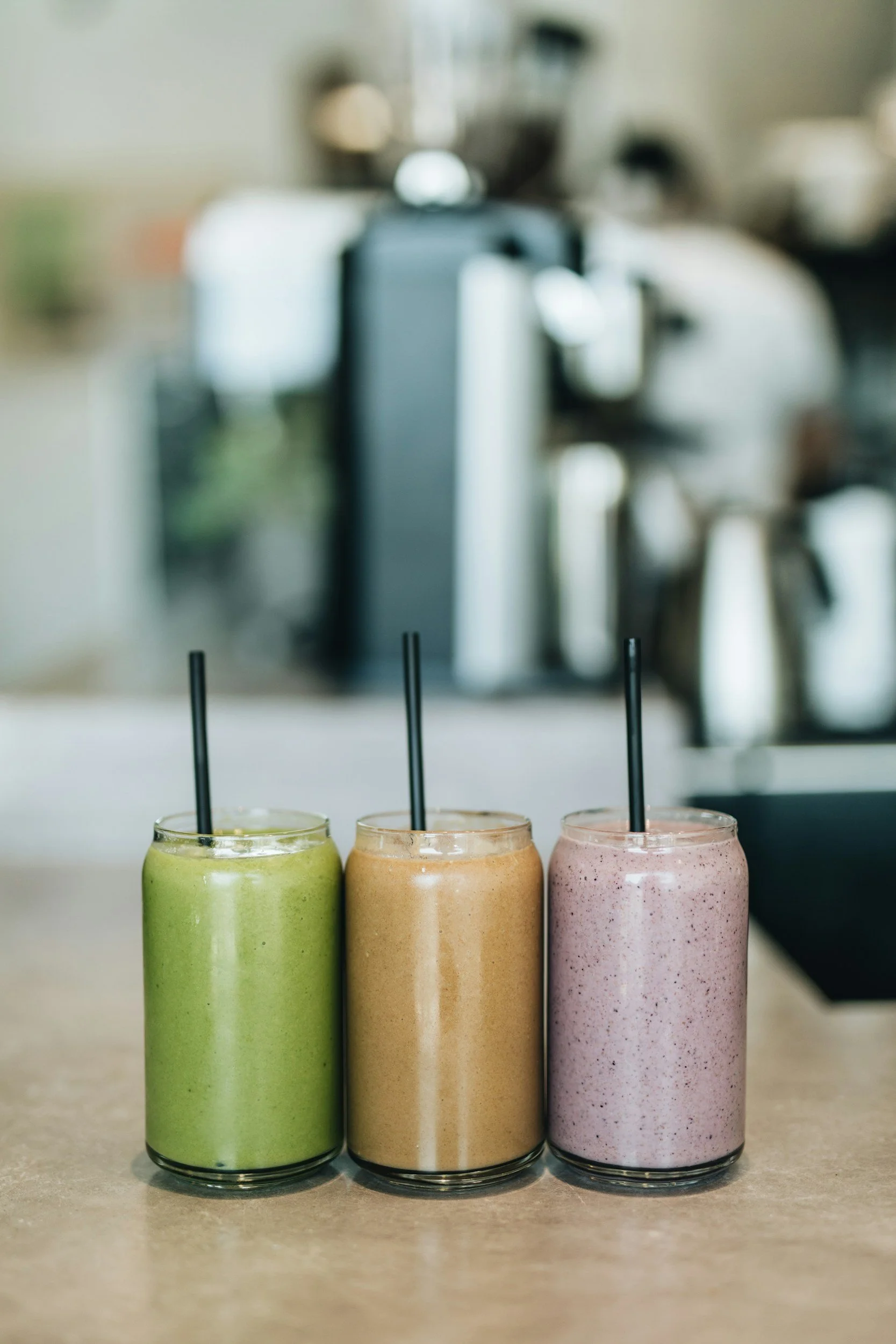
Nourishing Postpartum Smoothies: The Best Foods for Breastfeeding and Increasing Breastmilk Supply

The postpartum period is a beautiful yet demanding time — your body is healing, your hormones are recalibrating, and you’re nourishing a newborn around the clock. One of the best ways to support your recovery and boost your milk supply is through nutrient-dense, hydrating foods.

When you’re busy feeding your baby and adjusting to new rhythms, smoothies are a lifesaver. They’re quick to prepare, easy to digest, and can be packed with ingredients known to support lactation and postpartum recovery.

Below you’ll find a collection of smoothie recipes designed specifically for breastfeeding parents, featuring some of the best foods for breastfeeding and increasing breastmilk supply — all in delicious, refreshing blends that fuel your body and your milk production.

🌿 The Best Foods for Breastfeeding and Milk Supply

Before we dive into the recipes, let’s talk about why certain ingredients help with lactation. The following foods are excellent for supporting healthy breastmilk supply and replenishing your body’s nutrients:

  • Oats: Rich in iron and fiber, oats may help increase milk production and stabilize energy.

  • Spinach and leafy greens: Loaded with calcium, magnesium, and folate to support bone strength and hormone balance.

  • Healthy fats (like avocado, coconut, and nut butters): Promote milk richness and provide sustained energy.

  • Flaxseed and chia seeds: Provide omega-3s and lignans that may support hormonal balance and milk flow.

  • Berries: Full of antioxidants and vitamin C to boost immunity and recovery.

  • Hydrating fruits (like watermelon and pineapple): Support hydration — essential for maintaining milk supply.

Hydration, rest, and frequent breastfeeding are key, but adding these lactation-friendly foods into your daily routine can make a noticeable difference.

🥥 Postpartum Smoothie Recipe: Pineapple Coconut Spinach

Perfect for: Rehydration, recovery, and replenishing electrolytes.

Ingredients:

  • 1 (12-ounce) bottle of coconut water

  • Pinch of sea salt

  • 1 cup frozen pineapple

  • 1 large handful of organic spinach

  • 1 spoonful of honey

  • 1 serving of unflavored protein powder

Why it works:
Coconut water is rich in natural electrolytes like potassium and magnesium, helping new parents stay hydrated — which is vital for maintaining and increasing breastmilk supply. Pineapple offers bromelain, an enzyme that may reduce inflammation, while spinach adds iron, calcium, and folate, nutrients often depleted postpartum.

💡 Optional boost: Add 1 tablespoon of chia seeds or a splash of full-fat coconut milk for extra healthy fats to support milk quality.

🍌 A Favorite Postpartum Recipe: Banana Blueberry Smoothie

Perfect for: Energy, antioxidants, and milk-supportive nutrients.

Ingredients:

  • 6 ounces of oat milk

  • 1 tablespoon of honey

  • 1 cup frozen blueberries

  • 1 frozen banana

  • 1 serving of unflavored protein powder

Why it works:
Oat milk and oats in general are often considered some of the best foods for breastfeeding, thanks to their high iron content, which supports milk production. Blueberries provide antioxidants and vitamin C, helping your body heal and boosting immunity. The natural sugars from banana and honey give you quick, steady energy to power through those long feeding sessions.

💡 Optional boost: Add 1 tablespoon of ground flaxseed or a few walnuts for an omega-3 and fiber upgrade.

🍫 Daily Wake-Up Postpartum Smoothie: Chocolate Peanut Butter Banana

Perfect for: Sustained energy, mood support, and a comforting treat.

Ingredients:

  • ½ can full-fat coconut milk

  • 1 banana

  • 2 tablespoons peanut butter

  • 1 tablespoon cocoa powder

  • 1 cup oat milk

  • 1 serving of unflavored protein powder

Why it works:
This smoothie is a postpartum powerhouse — rich in calories, protein, and good fats, all of which are essential for maintaining energy and increasing breastmilk supply. Peanut butter provides healthy monounsaturated fats and protein, while cocoa adds magnesium, a mineral that supports mood regulation and muscle recovery.

💡 Optional boost: Sprinkle in a little maca powder or brewer’s yeast — both are known in the lactation community to naturally support milk flow.

🍉 Postpartum Electrolyte Smoothie: Watermelon Lemon Refresher

Perfect for: Hydration, cooling, and gentle digestion.

Ingredients:

  • 2 cups cubed watermelon (fresh or frozen)

  • Juice of ½ lemon

  • ½ cup coconut water

  • 1 teaspoon honey (optional)

  • Ice cubes as needed

Why it works:
Watermelon is made up of more than 90% water, making it one of the most hydrating foods for breastfeeding. Combined with lemon’s vitamin C and coconut water’s electrolytes, this smoothie helps replenish fluids lost through milk production.

💡 Optional boost: Add a few fresh mint leaves or a scoop of collagen powder for postpartum tissue recovery.

🌾 Simple Add-Ins to Support Milk Supply

You can easily turn any smoothie into a lactation-supportive blend by adding one or two of these milk-boosting ingredients:

  • Ground flaxseed or chia seeds – omega-3s and fiber for hormone balance

  • Oats or oat flour – iron-rich and linked to improved milk flow

  • Brewer’s yeast – traditional galactagogue (milk-boosting food) used by breastfeeding parents

  • Nut butters and coconut oil – nutrient-dense sources of energy and healthy fats

  • Dark leafy greens – natural sources of calcium, iron, and folate

These simple additions can help keep your milk supply consistent — especially during growth spurts or busy days when your body needs extra nourishment.

🩵 Why Smoothies Are Perfect for the Postpartum Period

Between sleepless nights and endless diaper changes, it’s easy to skip meals or forget to hydrate. Smoothies offer a quick, balanced, and soothing way to get the nutrients your body craves.

Benefits of postpartum smoothies:

  • Fast and convenient: Ready in minutes, even one-handed!

  • Hydrating: Fluids and electrolytes are essential for milk supply.

  • Customizable: Adjust sweetness, thickness, and flavor to your liking.

  • Digestive support: Blended fruits and greens are gentle on the stomach.

  • Mood-boosting: Ingredients like cocoa, bananas, and magnesium-rich greens can naturally lift energy and mood.

When combined with balanced meals, adequate rest, and frequent nursing, smoothies are a simple but powerful way to promote both healing and milk production.

🌸 Building a Daily Routine for Breastfeeding Nourishment

If you’re focused on increasing breastmilk supply naturally, consistency is key. Try incorporating one nutrient-dense smoothie a day, especially during the early postpartum months when your body’s nutritional needs are highest.

Sample Day of Milk-Boosting Nourishment:

  • Morning: Chocolate Peanut Butter Banana Smoothie

  • Midday: Oatmeal with flaxseed and fresh fruit

  • Snack: Pineapple Coconut Spinach Smoothie

  • Dinner: Salmon, quinoa, and roasted veggies

  • Before bed: Herbal lactation tea or a small Banana Blueberry Smoothie

Remember: every body is unique. Some foods may boost supply for one parent and not for another — the key is to stay hydrated, well-fed, and rested as much as possible.

Read More
Infant Care, Recipes Eli Holmes Infant Care, Recipes Eli Holmes

Favorite First Meals for Toddlers: Nourishing Organic, Nutrient-Dense Foods for Growing Appetites

Watching your baby transition from purees to toddler meals is one of those joyful (and sometimes messy!) milestones every parent remembers. The highchair becomes a place of discovery — for tastes, textures, and independence. As your little one learns to feed themselves, it’s important to offer foods that not only delight their senses but also provide the vital nutrients their growing bodies and brains need.

In this post, we’ll explore favorite first meals for toddlers featuring organic, nutrient-dense ingredients that support development, energy, and a healthy relationship with food from the very beginning.

🥑 Why Nutrient-Dense Foods Matter for Toddlers

Between 12 and 24 months, toddlers experience tremendous growth — physically, cognitively, and emotionally. They need foods packed with vitamins, minerals, and healthy fats to fuel all that development. Nutrient-dense foods are those that deliver maximum nourishment per bite, including:

  • Healthy fats for brain development (like avocado and olive oil)

  • Iron and protein for muscle growth (found in beans, eggs, and meats)

  • Fiber for digestion (from fruits, vegetables, and whole grains)

  • Calcium and vitamin D for strong bones

Choosing organic ingredients whenever possible can also reduce exposure to pesticides and synthetic additives, supporting your child’s long-term health.

🥣 1. Creamy Oatmeal with Flax and Berries

A warm bowl of oatmeal is one of the most comforting first meals — soft, filling, and endlessly customizable. For toddlers, use steel-cut or rolled oats for texture and nutrients.

Recipe tip:
Cook oats in organic whole milk or a fortified non-dairy milk, then stir in a spoonful of ground flaxseed or chia seeds for omega-3 fatty acids. Top with mashed organic blueberries or raspberries for natural sweetness and antioxidants.

💡 Nutrient boost: Add a swirl of nut butter (like almond or sunflower) for protein and healthy fats.

🍠 2. Mashed Sweet Potato with Coconut Oil and Cinnamon

Sweet potatoes are a toddler favorite — naturally sweet, bright, and packed with vitamin A, fiber, and beta-carotene for immune and eye health.

Recipe tip:
Steam or roast organic sweet potatoes until soft, then mash with a little coconut oil and a dash of cinnamon. This combo supports brain development and digestion, and it’s gentle on tiny tummies.

💡 For extra iron, stir in a spoonful of lentils or puree cooked chicken breast into the mash.

🥦 3. Broccoli and Cheese Mini Omelets

Eggs are one of the best sources of choline, a nutrient essential for brain development. These mini omelets are easy to hold, freeze well, and can be packed with veggies.

Recipe tip:
Whisk organic eggs with a splash of milk, then fold in finely chopped steamed broccoli, spinach, or zucchini, and sprinkle in a bit of shredded cheddar or nutritional yeast. Bake in a mini muffin tin until firm.

💡 Make it iron-rich by serving with a side of mashed avocado or sautéed greens.

🍚 4. Veggie Quinoa Bowl with Olive Oil

Quinoa is a complete plant protein and a fantastic alternative to rice for toddlers. It’s soft, mild, and easy to digest — ideal for those early “real food” meals.

Recipe tip:
Cook organic quinoa in low-sodium broth, then mix in finely diced carrots, peas, and zucchini. Drizzle with extra virgin olive oil for flavor and healthy fats.

💡 Make it a meal: Add shredded chicken or tofu for an extra protein boost.

🍎 5. Stewed Apples with Yogurt and Cinnamon

A naturally sweet and gut-friendly meal or snack. Stewing apples softens the fruit, making it perfect for toddlers still mastering chewing.

Recipe tip:
Simmer organic apples with a little water and cinnamon until soft. Serve warm or chilled over plain whole milk yogurt (or coconut yogurt) for probiotics, calcium, and protein.

💡 Upgrade it: Add crushed oats or a sprinkle of chia seeds for fiber and texture.

🥕 6. Hidden Veggie Pasta with Lentil Noodles

Pasta is always a hit — and with lentil or chickpea-based noodles, it becomes a protein-packed, iron-rich toddler meal.

Recipe tip:
Use organic tomato sauce blended with carrots, spinach, and zucchini. Stir into lentil pasta and drizzle with olive oil or a touch of butter for extra calories and satiety.

💡 Add variety: Try small pasta shapes like elbow macaroni or penne that are easy for little fingers to grasp.

🥑 7. Avocado and White Bean Mash on Soft Toast

This simple, satisfying meal is filled with plant-based protein, fiber, and healthy fats.

Recipe tip:
Mash ripe avocado with cooked white beans and a squeeze of lemon juice. Spread on lightly toasted whole-grain or sourdough bread, cut into small strips or triangles for easy eating.

💡 For variety: Add finely grated carrots or shredded cheese into the mash.

🍌 8. Banana and Spinach Pancakes

These toddler-friendly pancakes sneak in greens without compromising taste. Perfect for breakfast or snacks on the go!

Recipe tip:
Blend organic bananas, spinach, oats, eggs, and a drizzle of maple syrup. Cook in small rounds on a griddle with coconut oil. Serve with plain yogurt or nut butter for dipping.

💡 Storage tip: Freeze extras between parchment paper for easy weekday meals.

🐟 9. Salmon and Sweet Pea Patties

For toddlers ready for more texture, these mini patties offer omega-3s for brain health and protein for growth.

Recipe tip:
Mix cooked, flaked wild salmon with mashed peas, an egg, and breadcrumbs. Form into small patties and pan-sear until golden.

💡 Serve with: Steamed veggies or mashed avocado for a nutrient-packed lunch.

🧁 10. Toddler “Super Muffins” with Veggies and Fruit

Muffins are great for busy mornings and snacks — and they can be as nutritious as a full meal.

Recipe tip:
Combine whole wheat flour, grated carrots, mashed banana, applesauce, and a handful of oats. Sweeten naturally with fruit, and add cinnamon or nutmeg for flavor.

💡 Power upgrade: Stir in hemp seeds or ground flaxseed for added protein and omega-3s.

🌱 Encouraging Healthy Eating Habits Early

Toddlers learn about food not just through taste, but through routine, modeling, and exploration. Encourage curiosity by letting them touch, smell, and help prepare simple meals. Offering small portions of new foods alongside familiar favorites builds trust and reduces mealtime stress.

A few nurturing reminders:

  • Keep meals relaxed: Avoid pressure or bribery — let your toddler lead.

  • Serve variety: Rotate proteins, grains, and colors on the plate.

  • Eat together: Family meals are powerful moments of connection and modeling healthy habits.

🩵 Supporting Your Toddler’s Nutrition Journey

As a doula or parent, feeding your toddler is one of the most rewarding ways to nurture their growth and independence. The goal isn’t perfection — it’s connection. By focusing on organic, nutrient-dense meals, you’re helping your little one develop a strong body, a curious palate, and a lifelong love of healthy foods.

If you ever feel unsure about meal transitions, food sensitivities, or balancing nutrition, consider connecting with a postpartum doula or family nutrition consultant. Support makes all the difference in those early years — for both parent and child.


Looking for more support as your baby transitions to solids and toddler meals?
💛 Schedule a postpartum consultation with Southeast CT Doula today! Together, we’ll create a feeding plan that nourishes your baby — and supports you, too.

Read More
Pregnancy, Recipes Eli Holmes Pregnancy, Recipes Eli Holmes

Top 10 Foods to Eat During Labor: Essential Labor Nutrition Tips

The journey of labor is one of the most physically demanding experiences a person can go through. Just like any intense physical activity, your body requires energy, hydration, and proper nutrition to perform at its best. Eating the right foods during labor can help maintain your energy, support strong contractions, and reduce the likelihood of fatigue during the process. In this post, we’ll cover the top 10 foods to eat during labor, why they are beneficial, and practical tips for incorporating them into your birth plan.

Whether you’re planning a hospital birth, a home birth, or considering the support of a labor doula, having a strategy for nutrition can be empowering.

1. Bananas: Potassium-Packed Energy

Bananas are a labor-friendly food because they are easy to digest, naturally sweet, and packed with potassium. Potassium helps maintain electrolyte balance, supports muscle function, and prevents cramping—key during intense contractions.

How to Eat: Slice bananas and eat them fresh or mash them with a small amount of almond butter for added protein and healthy fat.

Doula Tip: Keep pre-sliced banana pieces in a small container for easy snacking between contractions.

SEO Keywords: foods to eat during labor, labor nutrition, labor energy foods

2. Dates: Natural Labor Boosters

Studies have shown that consuming dates in the last few weeks of pregnancy can promote cervical dilation and reduce the need for labor induction. Dates are also rich in natural sugars and fiber, giving you a quick energy boost.

How to Eat: Snack on 4–6 Medjool dates every few hours during early labor. Pair with nuts for sustained energy.

Doula Tip: Keep a small pouch of dates in your labor bag for convenient access.

SEO Keywords: natural labor foods, labor energy boosters, eating during childbirth

3. Smoothies: Hydration and Nutrients in a Sip

A smoothie made with fruit, vegetables, and a plant-based protein source can provide easily digestible calories and hydration. Adding ingredients like spinach, chia seeds, or hemp seeds boosts antioxidants, omega-3s, and fiber.

How to Make: Blend banana, berries, spinach, almond milk, and a scoop of protein powder. Keep it thin for easy drinking during contractions.

Doula Tip: Store in a thermos for quick access during labor.

SEO Keywords: labor smoothies, postpartum nutrition, hydration during labor

4. Whole-Grain Crackers or Rice Cakes: Slow-Release Energy

Labor can be long, and maintaining steady energy levels is crucial. Whole-grain crackers or rice cakes provide complex carbohydrates that release energy gradually.

How to Eat: Pair with hummus, nut butter, or avocado for added protein and healthy fats.

Doula Tip: Choose plain, easily digestible options to avoid bloating.

SEO Keywords: labor snacks, carbohydrates during labor, foods to maintain energy in childbirth

5. Applesauce or Soft Fruit: Easy-to-Digest Sugars

During labor, your stomach may feel sensitive. Soft fruits like applesauce, peeled apples, or pears provide quick sugar and hydration without overwhelming digestion.

Doula Tip: Keep small containers of unsweetened applesauce for a gentle energy boost between contractions.

SEO Keywords: gentle labor foods, soft foods during labor, easy-to-digest labor snacks

6. Oatmeal or Energy Porridge: Sustained Fuel

Oats are rich in complex carbohydrates, iron, and fiber. They provide sustained energy to keep muscles fueled without causing spikes in blood sugar.

How to Eat: Prepare a thin porridge with almond milk and add a spoon of flaxseed or chia seeds.

Doula Tip: Make individual portions in jars for easy reheating or room-temperature eating.

SEO Keywords: labor-friendly meals, oatmeal during labor, sustaining energy in childbirth

7. Hydrating Foods and Drinks: Water-Rich Options

Dehydration can lead to fatigue and reduce the efficiency of contractions. Foods with high water content, such as watermelon, cucumber slices, or homemade coconut water, help maintain hydration.

Doula Tip: Alternate between small sips of water, electrolyte drinks, and hydrating foods to prevent nausea.

SEO Keywords: hydration during labor, labor drinks, water-rich foods for childbirth

8. Nut Butters: Healthy Fats for Energy

Nut butters, including almond or sunflower seed butter, provide healthy fats and protein to maintain energy and support muscle function during labor.

How to Eat: Spread on rice cakes or whole-grain crackers. For a sweeter option, pair with mashed banana.

Doula Tip: Pack in small, single-serving containers to avoid mess.

SEO Keywords: energy-dense labor foods, healthy fats during labor, protein during childbirth

9. Coconut Water: Electrolytes on the Go

Coconut water is a natural source of electrolytes like potassium and magnesium, making it a great choice to replenish what is lost through sweat during labor.

Doula Tip: Keep chilled bottles in your labor kit and sip slowly throughout contractions.

SEO Keywords: electrolyte drinks during labor, labor hydration tips, coconut water for childbirth

10. Homemade Lactation Cookies or Energy Bars: Sweet and Nutritious

Lactation cookies made with oats, flaxseed, and brewer’s yeast provide iron, protein, and galactagogues to support milk supply postpartum.

How to Eat: Eat in moderation during early labor for quick energy. Pair with water or coconut water to stay hydrated.

Doula Tip: Make a small batch at home or order from a trusted source. Wrap individually for easy access.

SEO Keywords: lactation snacks, labor energy foods, postpartum nutrition tips

Practical Tips for Eating During Labor

  1. Start Early: Eat easily digestible foods during early labor to maintain energy.

  2. Small Portions: Large meals can cause nausea; eat in small, frequent portions.

  3. Stay Hydrated: Balance solid foods with fluids to prevent dehydration.

  4. Pack Your Labor Bag: Include bananas, dates, smoothies, nut butters, and lactation snacks.

  5. Listen to Your Body: Eat what feels comfortable, and avoid anything heavy or overly greasy.

Final Thoughts

Proper nutrition during labor can profoundly impact your energy levels, contraction strength, and overall labor experience. Foods rich in complex carbohydrates, healthy fats, protein, and hydration support your body’s endurance while promoting optimal labor progress.

By preparing a labor-friendly snack kit that includes bananas, dates, smoothies, oatmeal, nut butters, and hydrating foods, you empower yourself to stay nourished and resilient through every stage of childbirth. Incorporating these top 10 foods into your labor plan, alongside support from a Backus Hospital doula or certified labor coach, can help you feel confident, energized, and prepared for a smooth birth experience.

Eating mindfully, staying hydrated, and listening to your body’s cues are simple yet effective strategies to fuel yourself for one of life’s most remarkable experiences: bringing new life into the world.

Read More
Recipes, Postpartum Eli Holmes Recipes, Postpartum Eli Holmes

Lactation Recipe: Galactagogue-Rich & High Protein

I have some absolute favorite lactation recipes that make eating well, and to support your body and babe a little easier post partum. This is one of my favorites. An easy way to up your protein, have a quick meal or tasty snack between meals, chili oil chickpeas and kale is a pretty daily meal option around these parts post partum.

Both kale and chickpeas are considered galactagogues—foods that increase or maintain lactation. Both are also rich in iron, and protein, two key ingredients for breastfeeding. Chickpeas are also rich in good fats, fiber, and folate. Kale also contains phytoestrogen—a nutrient that helps with supporting lactation.

I usually add pumpkin seeds and sesame seeds as a crunchy topping—giving a boost of calcium, more iron, protein, and fats, some good omega-3s. Iron is a key part of breastmilk production. Adequate oxygenation of your tissues, including your mammary glands (the glands responsible for creating breastmilk), relies on red blood cells—which requires iron. If you’re anemic, your mammary glands won’t get enough oxygen to work properly and produce more breastmilk.

Favorite Lactation Recipe: Chili Oil Chickpeas and Kale with Fried Eggs

Time: 20 minutes

Ingredients:

  • 2 eggs

  • Two healthy handfuls of chopped kale

  • Half a can of chickpeas drained

  • Spoonful of chili oil

  • Drizzle of olive oil

  • Handful of pumpkin seeds

  • Sprinkling of sesame seeds

  • Salt and pepper to taste

Directions:

  1. Turn on a pan on medium heat and drizzle oil, and salt/pepper.

  2. Drain, and add your chickpeas to the pan once hot.

  3. Occasionally stir, and fry for 5-8 minutes.

  4. Add pumpkin seeds, sesame seeds, and kale, tossing to get the kale covered.

  5. Fry for another 5-10 minutes or until ingredients start to brown.

  6. Place your kale-chickpea mixture on a plate, and fry your eggs to desired setting.

  7. Plate your eggs, and serve.

Read More
Recipes, Postpartum Eli Holmes Recipes, Postpartum Eli Holmes

One of My Favorite Breastfeeding Recipes: Rice and Chickpeas with Chicken

This is such an easy recipe, and one of my favorites for a breastfeeding or pregnant parent. A focus on protein, and good fats, this meal, with a fresh salad, is a perfect quick meal to do in bulk, for lunches, or on a busy weekday.

You could easily add corn, kale or spinach, peppers, onions to the rice for more vegetables.

Recipe

Ingredients

  • 1 can of chickpeas

  • 2 cups of cooked rice

  • 1 cup of cooked quinoa

  • 1 can of coconut milk

  • 1/2 cup of flax seeds

  • 1/2 cup of chipotle peppers in adobo sauce

  • 4 cloves of garlic

  • Pinch of salt and black pepper

  • 4 Chicken thighs

  • Olive oil to drizzle

Instructions

  • Preheat oven to 375

  • Heat a large pan to medium with a drizzle of olive oil

  • Blend the chipotle peppers, adobo sauce, and garlic cloves with salt and pepper

  • Brush half of the chipotle pepper mixture on the chicken thighs and drizzle with olive oil, salt and pepper on a baking sheet

  • Once oven is preheated, put chicken thighs in oven for 30 minutes

  • Combine chickpeas, liquid from the can of chickpeas, rice, flax seeds, quinoa, coconut milk, half of the chipotle pepper sauce in a pan and cook on medium until the liquid disappears, stirring often

  • Serve with a salad, or other fresh vegetables

Read More
Recipes, Postpartum Eli Holmes Recipes, Postpartum Eli Holmes

My Favorite Snacks and Beverages During Labor, and Birth

While some may not value eating, and drinking during birth (cough, hospitals), it’s so important to feed, and nourish a laboring body. Labor, and delivery is one of the most physically intensive things a person can do. Why don’t we nourish, and feed people during this marathon of physical activity?

First let’s break down where hospitals get concerned. I can speak to this from the lens of a hospital worker. Aspiration. Hospital staff is just solely concerned about aspiration which can lead to choking, aspirational pneumonia, and more. While these consequences are significant, and concerning, they aren’t frequent or truly grave.

There are multiple devices hospitals use (LMAs, intubation tubes, etc.) to prevent aspiration if surgery or any other aggressive steps are necessary. Realistically, most people who do have emergency c-sections are still going to have eaten within the last 12 hours—posing an aspiration risk. This is why there are tons of different prevention measures taken from NG tubes, suction in an intubation tube, and more.

Personally, the risk of aspiration isn’t something that stopped me from eating during my hospital birth. And it shouldn’t stop anyone from eating during labor. A brief googling shows that you’ll work as hard as marathon runners during birth, and potentially burn as many as 50,000 calories in the process. Nothing about that screams “let’s not eat and drink during labor and delivery” to me.

Strenuous activity on the body that results in calorie loss requires replenishing those calories to keep things going. And labor and delivery isn’t exactly a short process. Labor and birth can last as much as 36 hours, imagine for a second going 36 hours without eating or drinking. Now imagine going 36 hours without eating or drinking while running a marathon the whole time. That sounds absolutely terrible.

With all this in mind, what can we use for fuel that’ll feel good, replenish lost nutrients, and help keep you pushing through this marathon?

Beverages for a Supported Labor, and Delivery

Here’s a list of some of my favorite labor and, delivery beverages. Some can be prepped ahead of time, and others are great to make as you go—that’s where a doula or your party people (that support team) can come in handy.

Hibiscus + Nettle Infusions

I swear up and down about infusions. One of my favorite things to prep each week, and each day, you’ll often find me drinking an infusion over water. Infusions are made when you brew a denser concentration of herbs to water over a longer period of time than you would tea.

I steep 16 oz of water to a boil, and pour over a cup of herbs in a cotton tea bag, seal in a mason jar, and let sit for 8-12 hours. I usually brew one in the morning and one at night so I can drink two throughout the day. For birth, and labor, iron, protein, and all things yum that you’ll find in hibiscus, and nettle are great options. I usually split the cup with half hibiscus, half nettle, sometimes less nettle and adding a little lemon balm, or something else depending on the mood.

You can easily also take infusions and pour with sparkling water, or ginger beer to give a different flavor to something sparkling. You can also freeze infusions in ice cube trays to add to sparkling beverages. Use an infusion within 24 hours or dump in your plant beds if you don’t use them. You can also add honey, maple syrup to infusions.

Warm Bone Broth

An awesome make-ahead option, throughout your pregnancy make some bone broth, and freeze. Come labor, and delivery, you should have a great little stash ready to go. You can easily store bone broth in ice cube trays or similar in the freezer to be able to portion out in small or big ways.

Bone broth can be made using bones from any animal, including fish even. I am a big fan of roasting a chicken, and using the bones from the chicken to brew the broth. Add garlic, onions, skins from both, rosemary, thyme, salt, and pepper, along with turmeric, cayenne, ginger, carrots, celery and bring to a light boil for 24-36 hours.

Once the pot has boiled down and reduced significantly, strain, and bottle the broth. You can leave in the fridge for a week or again, throw in ice cube trays for later.

Citrus Electrolyte Drink

One of my favorite hacks is making my own electrolyte drinks. Liquid IV and most of what’s on the market just really doesn’t cut it, and often is full of sugar, and other unwanted ingredients. Simple works best right?

I love combining coconut water, a pinch of salt, a spoonful of honey, and some fresh squeezed lemon, lime, or orange juice to a jar, and shaking. I leave it in the fridge for me to drink throughout the day, and within 24 hours.

You can always pack a bigger punch by blending a few different fruits in (don’t forget to strain!). Watermelon can add some potassium, pineapple some digestive enzymes, beets or cucumbers are other great optionsZq too!

Probiotic Ginger Soda

This is definitely a prepare ahead of time sort of beverage. Ginger bugs can be super finicky, and I’m not always a big fan, for many reasons. I’ve had the worst luck cultivating healthy ginger bugs and whenever I think I do, I find mold.

Ginger bugs are made by letting water sit with minced ginger, and sugar for about 24 hours uncovered. The ginger works on the sugar and creates a fermentation process using the naturally occurring bacteria on the ginger—much like sourdough. Leave with a cheese clothe over the top.

Store your ginger bug in a dark place till it’s strong, and you’re a little more confident in it. Feed your ginger bug daily with more ginger and more sugar (must be real sugar, not stevia, and don’t mess with honey or maple syrup till things are rocking and rolling) for about five days. It should be looking bubbly, and bubbly. You can store it on your counter now and keep it rocking and rolling.

Fermented beverages like this are full of good probiotics to help support your gut through this whole process. The ginger and sugar will also support you. Ginger is rich in calcium, magnesium, sodium, potassium, phosphorous, manganese, iron, zinc, and copper—all great nutrients for labor, and birth.

Red Raspberry Leaf Infusions

One of my favorite herbs in perinatal care, red raspberry leaf is a uterine toner. I blend with hibiscus (for the sweetness, the Vitamin C, and iron to help with some blood building), often some lemon balm, nettles to create an infusion useful to drink throughout labor, and birth.

Rich in vitamins A, C, and E, as well as calcium, iron, and potassium, this herb is great as an infusion to mix into sparkling water, electrolyte drinks, and more during labor, and birth.

Pineapple-Ginger Juice

This is one of my favorite perinatal juices. Jam packed, and still very light, coconut water based, and with all the good stuff. Blend together kale or spinach (any leafy green is great), pineapple (frozen is totally rad), coconut water, pinch of salt, a spoonful of honey, and a small piece of fresh ginger. Run through a sieve, and serve over ice. Great to make and freeze in ice cube trays for later. You could also blend with flax, chia seeds, yogurt to make it thicker.

Rich Snacks for a Fueled Labor, and Delivery

Intentional foods that serve a purpose, or just whatever you crave makes the most sense during labor, and delivery. I have a few tried and true favorites that serve purpose during labor, and delivery—nutrient rich, easy on the stomach, and strong fuel for the 50,000 calorie depleting marathon you’re about to achieve.

Nut-Butter Chocolate Dates

An easy treat throughout pregnancy, and freezer friendly, chocolate covered dates with nut-butters are super easy, and a great snack for any point. Open up a date, remove the pit, add a tablespoon of any nut butter you like, you could also add some flax seeds, chia seeds, or hemp seeds, and cinnamon/nutmeg, maybe honey or maple syrup if you like, and cover in warm chocolate. Let cool, and stick in the freezer. Eat frozen or defrosted, or fresh…

These last a few days before needing to become compost food. Dates are rich fruits during pregnancy and post partum, chock full of fiber, antioxidants, calcium, magnesium, potassium, iron, prebiotics, and more. Dates have been shown to ripen cervixes and help make labor more effective and efficient.

The nutbutter, and toppings can help add some protein and iron to the mix, with the nice treat of it being kind of like a dessert. A great snack throughout pregnancy, I try to make a huge batch at one time, and freeze throughout pregnancy—a great doula or nesting party activity.

Sourdough Toast with Lots of Toppings

I’m a big fan of toast. Think of the meme with the little girl going “SNACKS,” but me with “TOAST.” Not to mention you can add whatever toppings fit your mood: ricotta and cucumbers with red chili peppers, avocado and red chili peppers with bacon, etc.

During labor, and delivery go as light and sweet or as dense and savory as you like: add butter and jam with chia seeds for a light but nutrient rich treat, or spread roasted garlic and liver for some added iron and protein to help combat the blood loss.

Here are some of my favorite toast combinations:

  • Soft boiled egg, brie, pickled onions, salt pepper

  • Dates, honey, chia seeds

  • Stewed apricots, chia seeds, hemp seeds

  • Ricotta, cucumbers, red chili peppers

  • Avocado, red chili peppers, bacon

  • Stewed meat, garlic confit, cheddar

  • Soft boiled egg, stewed meat, cheddar

Berry Chia Seed Pudding

An easy prep ahead and keep in the fridge for a few days option, you could easily make a few variations at a nesting party for you and the family. Or, when the doula arrives, once settled in, if they find some downtime, throw something together easily. Stewed dried fruits are a great option instead of berries, or pineapple and mango.

Mix up some fruit in the blender, add some chia seeds to it and let it sit in the fridge. You can add some yogurt, ricotta cheese, and more to this—or spread over toast. Either way, it’ll give you a little boost of natural sugar, protein, and vitamin C.

Fresh Salads with Light Protein Options

Rice Bowls with Avocado and Protein

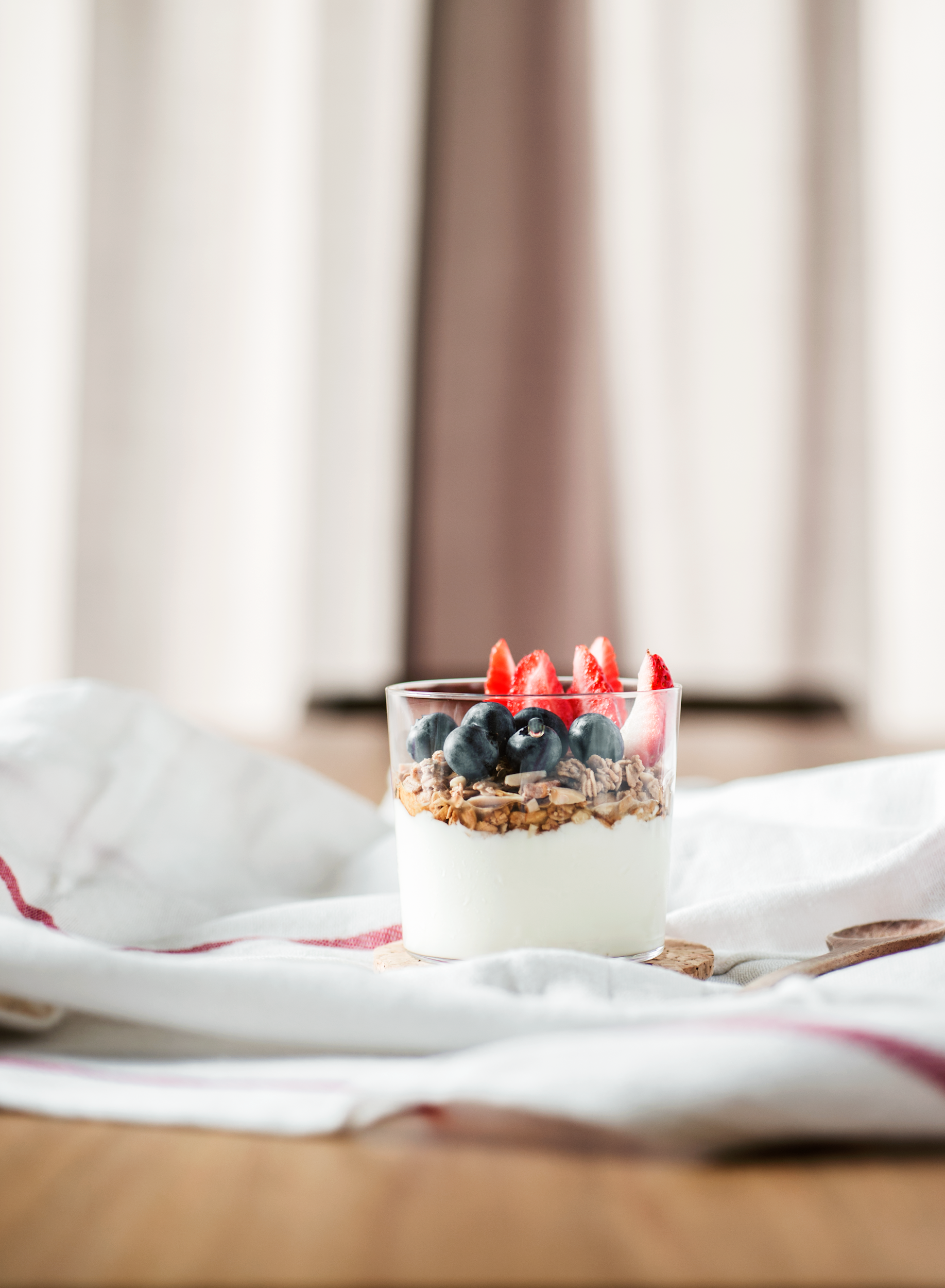
Yogurt + Granola and Fruit

Read More