











Can Connecticut Doulas Take Insurance?
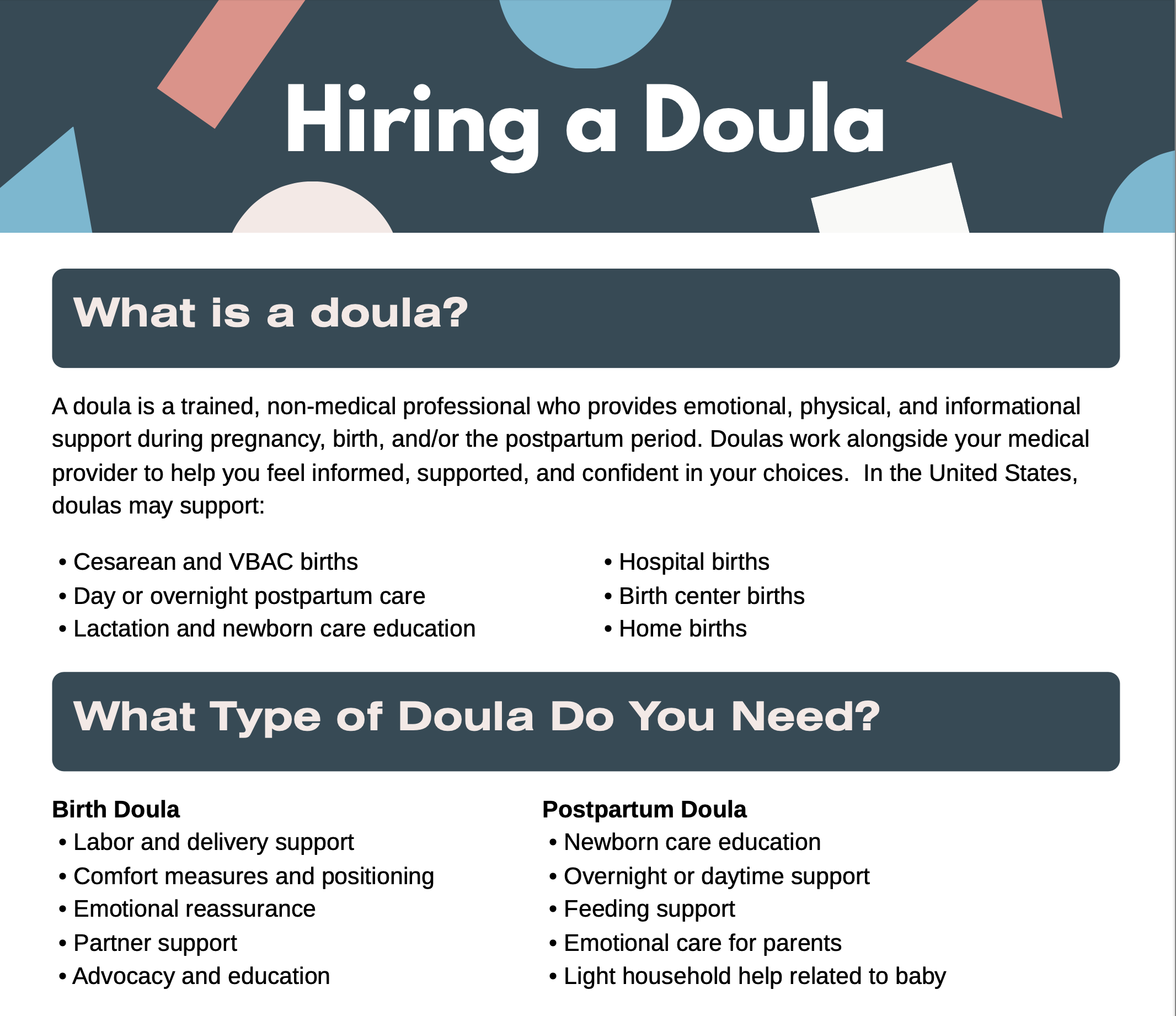
The question of whether doulas can take insurance is one of the most common—and most complicated—questions families ask when they begin searching for birth and postpartum support. It sounds simple: Can I use my insurance to pay for a doula? In reality, the answer depends on the type of insurance you have, the kind of doula care you are seeking, and how the state structures its reimbursement programs.
No matter what state you are in, doula care exists in a gray area between medical and non-medical services. Doulas provide emotional, physical, and informational support, but they do not perform clinical care. That makes insurance coverage inconsistent at best and nonexistent at worst. Connecticut is no exception.
While there are limited reimbursement pathways through programs like HUSKY Health and TRICARE, there is currently no universal policy requiring private insurance companies to cover doula services in Connecticut. That means most families still pay for doulas out of pocket, even when they have comprehensive health insurance.
Understanding what is and is not possible can help you set realistic expectations as you search for a Connecticut doula.
Why Insurance Coverage for Doulas Is So Complicated
Insurance systems are built to reimburse medical procedures, not supportive care. Doulas do not diagnose, treat, or prescribe. Their role is centered on continuous support, advocacy, and education during pregnancy, labor, and postpartum recovery.
Because of this, most insurance companies categorize doulas as “non-covered providers.” Even when research shows that doula support improves birth outcomes and lowers intervention rates, insurance reimbursement has been slow to follow.
Another layer of complexity is credentialing. Insurance companies require providers to meet specific licensing and billing standards. There is no single national license for doulas, and training programs vary widely. That makes it difficult for insurers to create a standard reimbursement pathway.
As a result, coverage is piecemeal. Some public programs allow reimbursement under certain conditions. Some private plans may offer partial reimbursement through out-of-network benefits. But there is no blanket policy that says, “Yes, doulas are covered.”
HUSKY Health and Doula Coverage in Connecticut
Connecticut has taken steps toward integrating doulas into Medicaid through the HUSKY Health Maternity Bundle. This program allows for reimbursement of doula services when they are provided under specific guidelines and through approved pathways.
This is an important step forward, but it does not mean that all doulas in Connecticut can bill HUSKY directly. In most cases, doulas must be affiliated with a recognized organization or work under a medical provider’s umbrella in order to qualify for reimbursement. Independent doulas generally cannot submit claims directly to Medicaid without meeting these requirements.
For families on HUSKY, this means doula coverage may be possible, but only if the doula you choose is enrolled in the appropriate program. Availability is still limited, and many areas of the state do not yet have enough participating doulas to meet demand.
It is always worth asking both your insurance provider and your prospective doula whether HUSKY reimbursement is an option, but families should be prepared for the possibility that they will still need to pay out of pocket.
TRICARE and Doula Reimbursement
TRICARE currently offers reimbursement for doulas under the Childbirth and Breastfeeding Support Demonstration. This benefit allows eligible military families to receive partial reimbursement for doula services related to childbirth and breastfeeding.
Unlike Medicaid programs, TRICARE does not require doulas to be in-network providers. However, the doula must meet certification and training requirements outlined by TRICARE. Families pay the doula directly and then submit for reimbursement.
This option has been especially helpful for military families stationed in Connecticut, but it is still limited in scope. Reimbursement amounts are capped, and not all services may qualify.
It is also important to note that this is a demonstration program rather than a permanent benefit. Families using TRICARE should verify current eligibility and reimbursement rules before assuming coverage.
Private Insurance and Doula Services
Most private insurance plans in Connecticut do not cover doula services. Even plans that offer generous maternity benefits usually exclude doulas because they are considered non-medical providers.
Some families have success using Health Savings Accounts (HSAs) or Flexible Spending Accounts (FSAs) to pay for doula care, depending on how their plan defines eligible expenses. Others attempt to submit claims under out-of-network benefits or as childbirth education services, with mixed results.
In rare cases, a doctor or midwife may write a letter of medical necessity for doula support, particularly when there are mental health concerns, a history of birth trauma, or high-risk pregnancy factors. Even then, reimbursement is not guaranteed.
For most families, private insurance does not meaningfully reduce the cost of doula care.
How Much Does a Connecticut Doula Cost?
Because insurance coverage is limited, most Connecticut doulas operate as private-pay providers. The cost of doula services reflects training, experience, time commitment, and business expenses.
On average, families in Connecticut can expect to pay around $1,200 for pregnancy and birth doula services. This usually includes prenatal visits, on-call availability around the due date, continuous labor support, and one or more postpartum visits.
Postpartum doulas typically charge hourly rates, which can range from $35 to $60 per hour depending on experience and location.
Lower-cost options may be available through newer doulas who are completing certification requirements or through community-based programs. These doulas often offer reduced rates while gaining experience, which can make services more accessible for families with limited budgets.
Why Doula Care Is Still Worth the Cost
Even without insurance coverage, many families find that doula care is one of the most valuable investments they make during pregnancy and birth. Research consistently shows that doula support is associated with lower cesarean rates, reduced use of pain medication, shorter labors, and higher satisfaction with the birth experience.
From a financial perspective, the cost of a doula is small compared to the cost of medical interventions or extended hospital stays. From an emotional perspective, having continuous support can profoundly shape how families experience labor and early parenthood.
For families navigating trauma histories, medical anxiety, or previous difficult births, doula care can provide continuity and advocacy that is difficult to replicate in clinical settings alone.
Setting Realistic Expectations About Insurance
When searching for a Connecticut doula, it is important to go into the process with realistic expectations. While it is worth asking about insurance reimbursement, families should assume they will need to pay out of pocket unless they are using HUSKY or TRICARE under qualifying conditions.
Setting your budget high and your expectations low can prevent frustration later in the process. Rather than focusing solely on whether insurance will pay, it can be more helpful to focus on whether a particular doula is a good fit for your needs, values, and birth goals.
Some doulas offer payment plans, sliding scale fees, or scholarships. Others may provide referrals to lower-cost community resources. These options can make care more accessible even without insurance coverage.
The Future of Doula Coverage in Connecticut
Connecticut’s efforts to integrate doulas into Medicaid represent progress, but the system is still developing. Expanding coverage requires infrastructure, funding, and provider networks that do not yet exist statewide.
Advocacy efforts continue to push for broader reimbursement policies, particularly as maternal health disparities and mental health concerns gain more attention at the policy level. Doulas are increasingly recognized as part of the solution to improving birth outcomes, especially for marginalized communities.
However, meaningful insurance coverage will take time. Families seeking doula support now must navigate the current system rather than an ideal one.
How to Ask About Insurance When Hiring a Doula
When interviewing doulas, it is appropriate to ask whether they accept insurance or work with reimbursement programs. A clear, direct question can save time and confusion.
Ask whether they:
– Work with HUSKY Health reimbursement
– Accept TRICARE clients
– Provide receipts or invoices for reimbursement
– Can supply documentation for HSA or FSA use
Most doulas will be honest about what is and is not possible. If a doula does not accept insurance, that does not mean they are unwilling to help you explore options. It simply reflects the limitations of the current system.
Final Thoughts
So, can Connecticut doulas take insurance? Sometimes, in very specific circumstances. But for most families, doula care remains a private-pay service.
While this can feel frustrating, it does not mean doula care is out of reach. Many families find creative ways to budget for support, seek out lower-cost providers, or use reimbursement programs where available.
As you search for a Connecticut doula, focus on finding someone who aligns with your needs and values, and be prepared for insurance to play a limited role in covering the cost. The support, advocacy, and continuity doulas provide often far exceed what any reimbursement policy can capture.
Doula care may not yet be universally covered, but its impact on birth experiences is very real.