











The Definitive Guide to Using Your Carrot Fertility Benefits for Doula Care in Rhode Island
If you’re pregnant or newly postpartum in Rhode Island and trying to figure out how to afford doula care, you’re not alone. Cost is one of the biggest barriers families face when considering birth or postpartum support—especially when you’re already navigating medical bills, childcare planning, and limited leave.
What many Rhode Island families don’t realize is that employer fertility benefits may help cover doula services. In particular, Carrot Fertility benefits are increasingly being used to reimburse families for birth and postpartum doulas—yet very few people know this option exists.
This guide will walk you through:
✔ What Carrot Fertility is and how it works
✔ Whether Carrot covers doulas in Rhode Island
✔ A step-by-step guide to using your benefits
✔ How reimbursement works for birth vs postpartum care
✔ Common pitfalls (and how to avoid them)
✔ How to maximize your benefits locally
Whether you’re searching:
“Does Carrot Fertility cover doulas in Rhode Island?”
“Doula coverage with Carrot benefits RI”
“How to get reimbursed for postpartum doula services”
…this guide is designed to give you clear answers.
What Is Carrot Fertility?
Carrot Fertility is an employer-sponsored benefit platform that provides financial support for reproductive and family-building care. It’s commonly offered by large employers, tech companies, and universities as part of modern benefits packages.
Carrot can be used for:
IVF and fertility treatment
Egg and sperm freezing
Adoption and surrogacy
Prenatal and postpartum care
Lactation services
Mental health support
Doula care (on many plans)
Carrot typically works on a reimbursement model, meaning:
You pay your provider directly.
You submit documentation to Carrot.
You receive reimbursement based on your plan’s rules.
Does Carrot Fertility Cover Doulas in Rhode Island?
In many cases, yes—Carrot benefits can reimburse for doula services, including:
Birth doulas
Postpartum doulas
Sometimes sibling doulas
Sometimes lactation support
Coverage depends on:
Your specific employer plan
Your available Carrot balance
How the service is categorized (prenatal, labor, postpartum)
This is why families feel confused: there is no single universal Carrot policy. Each employer configures coverage slightly differently.
Doula services are often reimbursed under:
Pregnancy support
Labor support
Postpartum recovery services
Prenatal education
If you live in Rhode Island and have Carrot benefits, there is a strong likelihood your doula services can be partially or fully reimbursed.
Why This Matters for Rhode Island Families
In Rhode Island, access to doula care is growing—but traditional insurance coverage remains limited. While Medicaid and hospital-based programs are expanding slowly, many families still must pay privately.
That leaves three options:
Pay fully out of pocket
Skip doula care
Use employer benefits like Carrot
For many Rhode Island parents, Carrot benefits are the only way to afford professional labor or postpartum support.
This is especially important for:
First-time parents
Families with prior birth trauma
Parents recovering from medical complications
Families without local support networks
Parents hoping to reduce unnecessary interventions
Step-by-Step: How to Use Carrot Fertility for Doula Care
Here’s how most families successfully use their Carrot benefits for doula services.
Step 1: Log Into Your Carrot Account
Start by accessing your Carrot dashboard. Look for:
Covered services
Remaining balance
Reimbursement categories
Search for:
“doula”
“labor support”
“postpartum care”
“prenatal support”
If you don’t see “doula” specifically, that doesn’t mean it’s not covered—many plans reimburse under broader categories.
Step 2: Confirm Coverage (Optional but Helpful)
You can message Carrot support and ask:
“Does my plan reimburse for birth or postpartum doula services in Rhode Island?”
This provides:
✔ Written confirmation
✔ Clarity on categories
✔ Guidance on documentation
This step can save time later if your claim is questioned.
Step 3: Choose a Doula Who Can Provide Proper Documentation
Carrot typically requires:
An invoice
Description of services
Dates of service
Proof of payment
Your doula should be able to provide:
✔ Itemized invoice
✔ Service type (birth or postpartum doula)
✔ Receipt or payment confirmation
Missing documentation is one of the most common reasons claims are delayed.
Step 4: Pay Your Doula
Most families:
Pay a deposit
Pay the remaining balance before or shortly after birth
Carrot generally reimburses after payment is made.
Step 5: Submit Your Claim
Upload:
Invoice
Proof of payment
Any required service description
Choose the closest matching category:
Pregnancy support
Labor support
Postpartum care
Claims are usually processed within:
1–3 weeks
Sometimes faster
Occasionally longer if more information is requested
How Reimbursement Works for Birth vs Postpartum Doulas
Birth Doula Reimbursement
Birth doula services often include:
Prenatal visits
Labor and birth support
Early postpartum check-in
These may be reimbursed under:
Pregnancy support
Labor support
Prenatal education
Some plans reimburse:
✔ The full package
✔ A portion of the package
✔ Only labor support
✔ Only prenatal visits
It depends on:
Employer rules
Benefit balance
Service categorization
Postpartum Doula Reimbursement
Postpartum doula services often include:
Infant feeding support
Newborn care
Emotional support
Light household help
Recovery guidance
These are often reimbursed under:
Postpartum care
Recovery services
Lactation support
Wellness benefits
Many Rhode Island families successfully use Carrot for:
✔ Daytime postpartum doula care
✔ Overnight care
✔ Short-term recovery support
✔ Trauma-informed postpartum care
Common Pitfalls (and How to Avoid Them)
❌ Pitfall #1: Waiting Until After Services Are Completed
Solution: Confirm your plan before your due date.
❌ Pitfall #2: Poorly Written Invoices
Solution: Ensure invoices clearly state:
“Birth doula services” or “postpartum doula services”
Dates
Provider name
Payment confirmation
❌ Pitfall #3: Selecting the Wrong Category
Solution: Use categories like:
Pregnancy support
Labor support
Postpartum care
Avoid unrelated categories like “medical care” unless instructed.
❌ Pitfall #4: Assuming Insurance and Carrot Are the Same
Solution: Carrot is separate from your medical insurance. Even if insurance doesn’t cover doulas, Carrot may.
Carrot vs Medicaid or Private Insurance in Rhode Island
Traditional insurance coverage for doulas remains limited in Rhode Island, though community-based doula initiatives are expanding.
Carrot differs because:
✔ It reimburses non-medical support
✔ It doesn’t require diagnosis codes
✔ It allows flexible provider choice
✔ It recognizes emotional and practical care
This makes it ideal for:
Trauma-informed support
Preventative care
Families seeking non-medical labor assistance
Why This Is a High-Traffic Search Topic
When someone searches:
“Carrot Fertility doulas”
“doula reimbursement RI”
“insurance coverage doula”
They are:
✔ Already pregnant
✔ Planning support
✔ Motivated by cost
✔ Likely to book services
These are high-intent searches, meaning:
Less competition
Higher conversion potential
Strong local SEO opportunity
How to Maximize Your Carrot Benefits
✔ Use benefits for both birth and postpartum
✔ Combine doula care with lactation support
✔ Prioritize services not covered by insurance
✔ Submit paperwork promptly
✔ Keep digital copies of receipts
Some families use Carrot to:
Fully cover birth doula services
Partially cover postpartum care
Offset weeks of professional support
Example Scenario (Hypothetical)
A Rhode Island family with:
$4,000 in Carrot benefits
A $2,200 birth doula package
$1,800 postpartum care
They:
Pay their doula
Submit invoices
Receive reimbursement
Access support without depleting savings
Why Choose a Doula Familiar With Carrot?
A doula experienced with employer benefits can help with:
✔ Proper invoices
✔ Correct language
✔ Faster reimbursement
✔ Fewer claim issues
✔ Less stress
It also means:
Strategic payment timing
Documentation prepared in advance
Less confusion for families
Frequently Asked Questions
Does Carrot pay the doula directly?
No, you pay first and are reimbursed.
Can Carrot cover both birth and postpartum care?
Often yes, depending on your balance.
Is there a limit?
Yes, determined by your employer.
Can I use Carrot with any doula?
Usually yes, with proper documentation.
Does the doula need certification?
Typically no, but service description matters.
Final Thoughts
Doula care improves emotional wellbeing, birth experiences, and postpartum recovery—yet cost keeps many families from accessing support. Carrot Fertility benefits can change that for Rhode Island families.
If your employer offers Carrot, you may already have funding available for:
✔ Birth support
✔ Postpartum care
✔ Trauma-informed services
✔ Recovery assistance
Understanding how to use your benefits can make professional support financially accessible.
What Is a Doula? How a Westerly RI Doula and Rhode Island Doula Can Support Your Birth Journey
Pregnancy, birth, and early postpartum are some of the most profound experiences of a person’s life. If you’re searching for a “Westerly RI doula” or “Rhode Island doula,” you probably want more than just clinical care — you’re looking for someone who will walk beside you, advocate for you, and support you emotionally and physically. In this post, we’ll explore: what a doula is, the role and benefits of doula support, birthing locations in Rhode Island, how to find a doula in Rhode Island (including the Westerly area), and what to expect when working with a doula.
What Is a Doula?
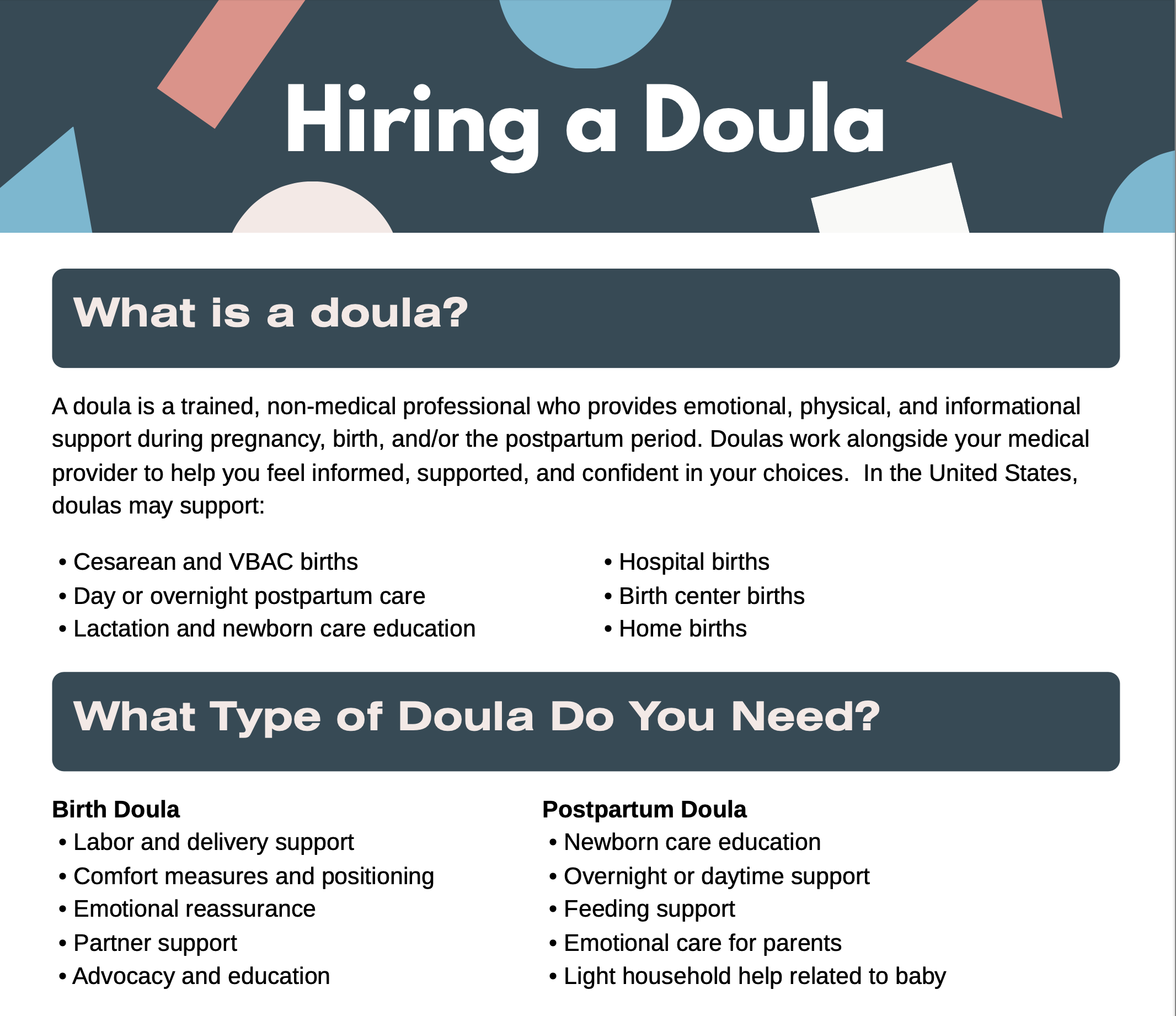
At its core, a doula is a trained non-medical professional who provides continuous support to a birthing person and their partner (or support team) before, during, and after birth. According to general definitions, a birth doula offers emotional, informational, and physical support — but does not provide medical care or replace the role of your obstetrician, midwife, or nurse. Wikipedia
In Rhode Island, including for a “Rhode Island doula,” there are some formal credentials and regulatory frameworks to be aware of. The Rhode Island Certification Board (RICB) maintains a “Certified Perinatal Doula” credential. Rhode Island Certification Board. While certification is not required for every doula to serve families, if you are hoping for insurance coverage or Medicaid reimbursement, the credential matters. EOHHS
Why “Doula” Matters
Why hire a doula? Research suggests continuous one-on-one support during labor (the kind a doula offers) is associated with improved outcomes: shorter labor, less use of pain medication, lower cesarean rates, and higher satisfaction with the birth experience. Verywell Family
In Rhode Island, the movement to incorporate doulas into maternal health aims to address disparities and improve birth outcomes. Rhode Island Birth
The Role in Your Birth Team
A “Westerly RI doula” or any Rhode Island-based doula will typically offer:
Prenatal visits: discussing your preferences, birth plan, physical comfort measures, and what to expect in labor
Labor (and birth) support: continuous presence, help with positioning, breathing, comfort, advocacy, offering suggestions, partnering with your medical team
Postpartum support: helping you transition into life with baby, breastfeeding/lactation support, emotional support, resource referrals
The nuance is that the doula is for you and your team, not part of the hospital’s staff. In fact, many doulas encourage you to bring them in as your own support person.
Birthing Locations in Rhode Island
If you’re searching for a “westerly ri doula,” it helps to know the birthing locations in Rhode Island — where you might deliver, what options you have, and how a doula fits in. “Rhode Island doula” support spans all these settings.
Here are some of the birthing facility options across RI:
1. Women & Infants Hospital of Rhode Island (Providence)
This hospital is a major maternity center in Rhode Island. Women & Infants
They offer a full spectrum of delivery options — from low-intervention births in their Alternative Birthing Center (ABC) to high-risk care. Women & Infants
If you are working with a “Rhode Island doula,” this is one of the key places she/he may attend births.
2. Noreen Stonor Drexel Birthing Center at Newport Hospital (Newport)
Located in Newport, this birthing center is recognized as “Baby-Friendly” by WHO/UNICEF and has modern private suites for family-centered care. Brown Health
Ideal for families seeking a smaller hospital setting with amenities.
3. South County Hospital (Wakefield, RI)
Their birthing center includes a women & newborn care unit and is noted for comprehensive obstetric services. southcountyhealth.org
For someone seeking a “Westerly RI doula,” South County or nearby could be a practical choice.
4. Other Local Hospital Options
Beyond those, Rhode Island has several birthing hospitals listed via the state health department. Department of Health
Additionally, resource directories for “Rhode Island doula” services list birthing hospital options for families. Rhode Island Birth
Why This Matters for Your Doula
When you’re looking for a Westerly RI doula, it matters which hospital or birthing setting you choose because:
The doula needs to be comfortable and familiar with your birthing location’s policies.
Hospital policies vary around support persons, doulas, and birth preferences.
The setting influences logistics (travel time for doula, backup support, etc.).
Aligning your birth preferences with the facility and your doula helps ensure smoother coordination.
Finding a Doula in Rhode Island (Including Westerly)
Now that you understand what a doula is and have an idea of birthing locations in Rhode Island, how do you find a Rhode Island doula — someone you can trust, who fits your style, and who will support your birth vision? Here’s a guide:
Step 1: Clarify Your Needs & Preferences
Before interviewing doulas, consider:
Do you want support through labor only, or also prenatal visits and postpartum support?
What kind of birth are you planning (hospital, birth center, home)?
Do you have specific preferences (low intervention, water birth, VBAC, etc.)?
Are you located near Westerly or another town in Rhode Island, and willing to travel? A Westerly RI doula implies proximity to Westerly, RI.
Do you have budget constraints or hopes for insurance/Medicaid covering doula services?
Step 2: Use Doula Directories & Local Associations
In Rhode Island, one helpful resource is the Doulas of Rhode Island (DoRI) network — an inclusive group of birth and postpartum doulas. Doulas of Rhode Island
Their directory lists local doulas, many of whom serve Rhode Island and Southeastern Massachusetts.
Additionally, you can search independent websites (for example, Westerly, RI doula Megan Bain visible on a listing) or associations. barefoot-mama-site
Step 3: Verify Credentials & Experience
When you interview a doula:
Ask about training and certification. In Rhode Island, the RICB offers the Certified Perinatal Doula credential. Rhode Island Certification Board
Ask how many births she/he has attended, what types (hospital, home, VBAC, etc.).
Ask about her emergency backup plan (what happens if the doula is unavailable when labor starts?).
Ask about insurance/Medicaid coverage if that is important to you. In RI, some doulas are contracted providers with insurance. Doulas of Rhode Island
Discuss travel time. If you're in Westerly, ensure the doula is willing to travel or is local to you.
Step 4: Interview & Choose the Right Fit
Here are some interview questions:
How do you support my partner or support person?
What is your communication style during labor (calm, proactive, hands-on)?
What comfort measures do you offer (massage, movement, position suggestions, etc.)?
How do you advocate for clients with hospital staff?
What is your fee, and what is included (prenatal visits, labor attendance, postpartum visit)?
What happens if my labor starts when you have another client?
Step 5: Formalize Agreement
Once you select a Westerly RI doula or Rhode Island doula, you’ll likely sign a service agreement/contract which outlines: scope of support, hours of availability, fee, backup plan, cancellation policy, and what to expect.
This clarity is helpful both for you and for the doula.
What to Expect When Working With a Doula
Now let’s walk through the journey of working with a doula — what happens at each phase: prenatal, labor & birth, and postpartum.
Prenatal Phase
Initial meeting: You’ll likely meet the doula in person or virtually. You’ll discuss your birth vision, preferences, any fears or questions you have. The doula will ask about your medical history, birth plans, support persons, birthing location (maybe at a facility like Women & Infants or South County), and how to reach you when labor starts.
Birth planning: You and your doula may create or refine a birth plan. She’ll share comfort measures, movement and positioning during labor, partner support techniques, breathing, ideas for the environment (music, lighting, privacy), and how to communicate with your medical team.
Prenatal visits: These may include physical comfort work (positioning, massage), education (what happens in labor, what interventions mean, how to advocate for yourself), and perhaps a tour of the birthing location. If you plan to deliver in the Westerly-area hospital (or near), your doula may be familiar with that setting.
Logistics & communication: You’ll exchange contact information, discuss how early you’ll reach out when labor starts, and agree on a backup plan in case the doula cannot attend.
Labor & Birth Phase
Onset of labor: When you reach the agreed threshold (e.g., contractions are regular, membranes broken, “call the doula now”), you’ll contact your doula. She’ll arrive to support you continuously (often until shortly after birth).
Continuous emotional & physical support: The doula will stay with you, offering comfort measures (massage, counter-pressure, hip squeezes), position changes, walking or movement, birth ball use, help with partner involvement, verbal encouragement, and advocacy.
Partner/support person inclusion: The doula supports your team — helping your partner or support person feel useful, guiding them in how to help you.
Advocacy & communication: The doula can help interpret your preferences, communicate them to the medical team, help you remain informed and supported, and ensure your voice is heard.
Transition phases: As labor intensifies or interventions (if any) are recommended, the doula helps you navigate — staying calm, offering choices, helping you shift positions, encouraging breathing, helping you cope.
After birth: The doula typically stays for a while after your baby is born — initiating skin-to-skin, supporting early breastfeeding if desired, helping you get comfortable in recovery and debriefing the experience.
Postpartum Phase
Initial postpartum visit: Many doulas offer a check-in (in-person or virtual) in the first days after birth. They may help with breastfeeding support, newborn routines, sibling transitions, and coping with the birth experience.
Ongoing support: Some doulas offer additional postpartum hours — helping with newborn care, parent rest, resource referral (lactation consultants, physical therapy), emotional well-being, helping you and your family integrate the baby into your life.
Debriefing your birth: A good doula will help you reflect on your birth, what went as you hoped, what you might do differently next time, and celebrate your body and baby.
Transition to parenthood: The knowledge, confidence, and support you gained from working with a doula help you feel grounded in your early parenting days and beyond.
Why Choose a “Westerly RI Doula”?
If you live in or near Westerly, Rhode Island (or the southern coastal region of RI), working with a local doula has advantages:
She knows the local hospitals, birthing centers, practitioners, inductions, and transfer patterns.
She can arrive more quickly when labor begins (important for short labors or if you plan a local hospital).
She likely has connections with local postpartum resources (lactation consultants, pediatricians, support groups).
She understands the region’s terrain, travel times, parking, hospital back-up options etc.
You may feel more comfortable knowing your doula is from your own community and understands local culture and norms.
For anyone in Rhode Island seeking a Rhode Island doula, proximity and local knowledge matter, but so do personality, training, and fit — so combining “Westerly RI doula” (local) with “Rhode Island doula” (broad) search terms can help you cast a purposeful net.
Common Questions & Considerations
Here are frequent questions that come up when families interview and work with doulas in Rhode Island:
Does my insurance cover a doula in Rhode Island?
Yes — in many cases. Rhode Island has made strides in doula coverage: some commercial insurers and Medicaid now include perinatal doula services. Doulas of Rhode Island
However, coverage varies depending on your plan, employer-sponsored vs self-insured, and whether the doula is credentialed. Always check with your HR/insurance benefits administrator:
Are doula services covered?
Does the provider (doula) bill directly, or must you pay and request reimbursement?
Is the doula credentialled with the RICB?
Is there a provider number or NPI required? EOHHS
How many hours will my doula be available?
Discuss this up front. Some doulas offer 24/7 on-call from ~37 weeks onward, until the baby is born. Others have more limited hours or a backup doula arrangement. Clarify how they define “available” (phone calls, texts, arrival time, backup in case of overlap with other clients).
What if I’m having a C-section or induction?
A great doula will support you regardless of how your birth unfolds. Whether you have a spontaneous labor, induction, water birth, cesarean, VBAC, or transfer from a home birth, your doula should help you navigate and advocate. Ask how they’ve supported previous clients in such situations.
In Rhode Island hospitals such as Women & Infants, the Alternative Birthing Center features minimal intervention settings but is still within a hospital for safety. Women & Infants. If your birth shifts, your doula can adapt with you.
What is the backup plan?
Because births don’t always follow schedule: ask your doula what happens if she’s ill, on vacation, or attending another birth. Is there a backup partner? How is handoff handled?
If you’re hiring a Westerly RI doula, it’s especially important that the backup doula also understands your preferences and the local birthing landscape.
How early should I hire a doula?
It’s wise to hire early — many families book doulas in the second trimester or early third trimester, to allow for at least one or two prenatal visits, build rapport, go over your birth plan, and ensure availability. Rhode Island doula demand is strong in some areas, and the earlier you lock in your support, the more likely you’ll get your first-choice provider.
What if I have special preferences (water birth, VBAC, home birth, birth center)?
Make sure your potential doula has experience with those preferences. For example, if you plan a birth center or home birth near Westerly, the doula should be comfortable with that setting; if you want minimal intervention at Women & Infants, your doula should know how that facility supports that.
If you’re looking at a specific site (e.g., Newport or South County), ask the doula if she has attended births there or is familiar with their policies and staff.
How a Doula Enhances Your Birth Experience
Let's look at some of the concrete benefits of using a Rhode Island doula (or Westerly RI doula) — both practical and emotional.
Improved Physical Comfort & Labor Progress
Having continuous support means more timely position changes, more movement during labor, more effective comfort measures (massage, hip squeeze, walking, birth ball) — all of which help labor progress and often reduce interventions.
Enhanced Communication & Advocacy
Your doula helps you ask questions, ensures your preferences are heard, helps interpret hospital language, and supports you in informed decision‐making. In a busy hospital setting (such as Women & Infants or Newport), this can be a real difference.
Partner Support & Team Integration
Your partner is part of the team; a doula helps them feel empowered rather than sidelined. She shows them how to help, gives them breaks when needed, and keeps the support team cohesive.
Emotional Support & Confidence
Birth is unpredictable. A doula brings calm, presence, expertise, reassurance, and empathy. She helps you feel less alone, more supported, and more confident in your body’s capabilities.
Postpartum Transition
Support in the early postpartum period is undervalued, yet so crucial. Whether it’s helping with early breastfeeding, baby/parent positioning, sibling transition, or emotional processing of the birth, a doula can help you feel less overwhelmed and more grounded.
Sample Timeline: Working with Your Doula
Here’s a hypothetical timeline of your journey with a Rhode Island doula:
24–28 weeks: You interview doulas, decide on a “westerly ri doula,” sign a contract, initial meeting to discuss birth vision and preferences.
30–34 weeks: Two prenatal visits: one focused on comfort/positioning/movement practice, one on birth plan and hospital walk-through (if you plan at Women & Infants or Newport).
37 weeks onward: Doula on call. You stay in touch via text/phone when something feels “different.”
Labor begins: You call the doula, she arrives (or is on standby if early contraction). She supports you through labor—from active labor through pushing, delivery, and immediate post‐birth.
Post-birth: Doula stays for a defined period (often 1–2 hours) to support immediate recovery and breastfeeding.
Postpartum visit (within the first 1–2 weeks or as defined in contract): Debrief your birth experience, check in on you, baby, and feeding, help with resources.
Optional continued postpartum support: This may include a visit or phone call at 4–6 weeks, additional support for parent/baby transition.
Tips for Maximizing Your Doula Relationship
Be open & honest in your first meetings about your fears, hopes, birth preferences, and medical concerns.
Build trust: Try a meet-and-greet with your doula and partner; the more you feel comfortable, the better you’ll perform as a team.
Keep lines of communication open: Let your doula know about changes in your pregnancy, concerns, and shifts in preferences.
Include your partner: Encourage them to engage with the doula during prenatal visits so they feel prepared.
Tour your birthing location early: Make sure your doula is familiar with your hospital or birth center, or schedule a walk‐through.
Be flexible: Birth may not go exactly as planned; your doula’s role is to help you navigate changes gracefully.
Expect after care: If there’s a postpartum element, schedule it and treat it as an important part of your recovery.
Make it personal: A “westerly ri doula” who knows your local setting is great, but more than geography, match personality, values, and communication style.
Final Thoughts
Hiring a Westerly RI doula or Rhode Island doula is a powerful way to invest in your birth experience and early parenthood. Whether you deliver at a major hospital like Women & Infants in Providence, a community birthing center like Newport’s Noreen Stonor Drexel, or a smaller regional unit, the right doula will provide consistent support, advocacy, comfort, and empowerment.
Your body is doing something remarkable — growing life, birthing it, and then transitioning into parenthood. A doula is there to walk that journey with you, making sure you feel seen, supported, and confident every step of the way.
If you are in the Westerly area (or anywhere in Rhode Island), start early, interview a few doulas, ask the tough questions about experience, backup, availability, insurance, and fit. The earlier you engage your Rhode Island doula, the more grounded and prepared you’ll feel by the time labor begins.
Birth is unpredictable. But with thoughtful support — a doula by your side — you’ll be stronger, calmer, and more prepared.
Here’s to your birth journey, your body, your baby, and your support team.