











The Top Organic Prenatal Vitamins (2026 Guide): Why Methylfolate Matters
Choosing the right prenatal vitamin can shape your pregnancy experience, energy levels, and even your baby’s development. With countless options available, it’s easy to feel overwhelmed — especially if you care deeply about organic sources, clean ingredients, and optimal nutrient forms.
In this guide, we compare some of the top organic prenatal vitamins, explain the real difference between methylfolate vs. folic acid, and break down the pros and cons of each option — including formulations from Innate, Ritual, Thorne, and We Heart Nutrition, as well as a few additional high-quality picks.
By the end, you’ll know exactly what to look for when searching for the top organic prenatal vitamins that support your health and your baby’s development.
What Makes an Organic Prenatal Vitamin High Quality?
When we talk about organic prenatals, the term doesn’t always mean fully certified organic. Instead, it usually refers to:
Whole-food or plant-derived ingredients
Non-GMO sources
Minimal synthetic additives
Cleaner formulations without unnecessary binders
Bioavailable nutrient forms
One of the most important bioavailable forms in prenatal vitamins is methylfolate — active folate — which your body can use directly, unlike synthetic folic acid, which must first be converted to an active form.
Methylfolate vs. Folic Acid: Why It Matters
Folic Acid
Folic acid is a synthetic form of folate commonly used in fortified foods and many traditional prenatal vitamins. It requires conversion in the body (via MTHFR enzymes) to become active folate.
For many people — especially those with genetic variations like MTHFR — this conversion can be inefficient. That means folic acid may not be fully effective for its intended purpose: supporting neural tube development and cellular growth early in pregnancy.
Methylfolate (L-5-MTHF)
Methylfolate is the bioactive form of folate — already converted and ready for use in the body. It supports:
✔ neural tube development
✔ healthy cell division
✔ energy metabolism
✔ homocysteine regulation
✔ optimal prenatal folate status
Most practitioners now prefer methylfolate in prenatal vitamins because it bypasses metabolic conversion and offers a more reliable way to raise folate levels, especially in early pregnancy. This is critical during the first weeks of fetal development — often before pregnancy is even confirmed. (1)
What to Look for in the Top Organic Prenatal
✔ Methylfolate instead of folic acid
✔ Gentle but effective iron form (like bisglycinate)
✔ Algae-derived DHA (important for baby’s brain and eye development)
✔ Vegan or plant-based nutrient sources
✔ Non-GMO or organic ingredient focus
✔ Minimal synthetic additives
These features help ensure a prenatal vitamin is both high quality and better tolerated for sensitive stomachs or nausea.
Top Organic & Clean Prenatal Vitamins Compared
Here are some of the most highly regarded options for prenatal nutrition — focusing on clean ingredients, methylfolate, and overall nutrient support.
1. Ritual Essential Prenatal — Top Organic Clean Option
Best for: Expectant parents seeking a clean, transparent formula
Best organic-lean prenatal with strong methylfolate
Key Features:
• Contains methylated folate (bioactive)
• Vegan DHA from algae
• No synthetic binders or artificial coatings
• Non-GMO Project Verified
• Gentle daily cycle with delayed-release capsules
Ritual is known for its transparent supply chain and ingredient traceability. The Essential Prenatal includes targeted nutrients without unnecessary fillers, plus vegan DHA — making it a solid pick for clean-focused moms-to-be. It’s often recommended for people who want clarity and simplicity in their prenatal.
Pros:
✔ Methylfolate and vegan DHA included
✔ Clear sourcing traceability
✔ Ideal for sensitive stomachs
Cons:
✖ Lower choline content; may need separate supplementation
✖ Slightly higher price point
2. Thorne Basic Prenatal — Practitioner Favorite
Best for: People looking for a medical-grade, bioavailable formula
Best overall clean prenatal for absorption
Key Features:
• Methylfolate (L-5-MTHF)
• Iron in gentle bisglycinate form
• Comprehensive B-vitamin support
• No artificial colors or sweeteners
• Trusted by many medical professionals
Thorne Basic Prenatal is frequently recommended by clinicians because of its emphasis on bioavailability and absence of unnecessary additives. While not fully USDA Organic certified, its ingredients are carefully selected and cleaner than many traditional prenatals.
Pros:
✔ Practitioner-trusted formula
✔ Iron form easier on digestion
✔ Strong nutrient panel
Cons:
✖ May require additional DHA or choline
✖ Not fully certified organic
3. We Heart Nutrition Prenatal Complete Bundle — Sensitive Pregnancies
Best for: Those who experience nausea or poor supplement tolerance
Best for sensitive digestive systems
Key Features:
• Clean, well-tolerated prenatal formula
• Methylated B vitamins including methylfolate
• Easily digestible forms of nutrients
• Focus on overall maternal wellness
We Heart Nutrition’s prenatal bundle scores high in user reviews for being easy to take and friendly for anyone with a sensitive stomach. It’s not fully USDA Organic, but it emphasizes cleaner ingredients and often performs well for real-life pregnancy experiences.
Pros:
✔ Gentle and well tolerated
✔ Clean ingredient focus
✔ Very positive user experiences
Cons:
✖ Not certified organic
✖ Bundle pricing may be higher upfront
4. Innate Prenatal Vitamins — Clean & Traditional
Best for: People who want a foundation of essential prenatal nutrients without unnecessary additives
Key Features:
• Clean nutrient forms
• Methylated folate where indicated
• Comprehensive baseline vitamin/mineral support
Innate offers high-quality supplements that emphasize bioactive nutrient forms with fewer extra ingredients. While not all Innate prenatals are USDA Organic certified, they focus on clean sourcing and gentle absorption.
Pros:
✔ Whole-spectrum basics
✔ Methylfolate included in many formulas
Cons:
✖ May need to add DHA or choline separately
5. MegaFood Baby & Me 2 — Whole Food-Based Option
Best for: People who want nutrient forms from real, whole food sources
Best organic-lean whole-food prenatal alternative
Key Features:
• Farm-fresh, whole food ingredients
• Methylated folate included
• Gentle on stomach
• Non-GMO Project Verified
MegaFood’s Baby & Me line is a popular choice for people seeking more whole-food sourced nutrients. While not fully USDA Organic, it emphasizes real food components and is generally very well-tolerated.
Pros:
✔ Whole food vitamin/mineral sources
✔ Gentle and easy to take
Cons:
✖ May require supplemental DHA
✖ Nutrient concentrations aren’t as high as some other prenatal multivitamins
How to Choose What’s Right for You
Choosing the top organic prenatal depends on your unique body, symptoms, and health history. Here are a few questions to ask yourself:
1. Do you want fully USDA Organic?
If you want strict organic certification, brands like Ritual and MegaFood lean closest — though even ones without full certification can still be high quality.
2. Do you struggle with nausea or supplement intolerance?
If yes, gentle formulas like We Heart Nutrition or MegaFood might be easier to take daily.
3. Are you genetically predisposed to issues with folic acid conversion?
If so, methylfolate-based prenatal vitamins are practically essential.
4. Do you want DHA included?
Many capsule-only prenatals omit DHA, which may be added through separate algae oil supplements.
5. What does your healthcare provider recommend?
Always align with your clinician’s advice, especially if you have anemia, gestational diabetes, or other conditions.
Final Thoughts on Top Organic Prenatal Vitamins
Organic and clean prenatals are about more than marketing — they can support your body with nutrients that are easier to absorb, less processed, and sourced without unnecessary additives.
Here’s a quick recap:
Best overall clean + methylfolate:
• Ritual Essential Prenatal
Best clinician-trusted and bioavailable:
• Thorne Basic Prenatal
Best for sensitive digestion:
• We Heart Nutrition Prenatal
Best baseline essentials:
• Innate Prenatal Vitamins
Best whole-food style option:
• MegaFood Baby & Me 2
Any of these options can be a strong choice for women seeking a top organic prenatal vitamin — particularly those prioritizing methylfolate, clean ingredients, and gentle tolerance.
Notes for Pregnancy Success
Always start prenatal vitamins before pregnancy if possible
Consult your provider for iron and DHA guidance
Pair with nutrient-rich foods whenever you can
Stay hydrated and listen to your body
References
Sources used for ingredient and product comparisons include:
MamasSelect prenatal reviews
Gimme the Good Stuff organic prenatal guide
Brand sites from Ritual, Thorne, We Heart Nutrition, Innate, MegaFood
Perinatal Recipe: Hibiscus-Nettle Infusions
Herbal infusions have long been used to support people through pregnancy and the postpartum period. When chosen thoughtfully, they can provide hydration, gentle nourishment, and a comforting daily ritual during a time of enormous physical change. One of the most popular and nutrient-dense options is hibiscus–nettle infusion, a vibrant, mineral-rich herbal drink that can be enjoyed hot or cold.
This perinatal recipe focuses on two powerhouse herbs: hibiscus (Hibiscus sabdariffa) and nettle leaf (Urtica dioica). Together, they create a tart, refreshing infusion that supports hydration, replenishment, and gentle nutritional support during pregnancy and postpartum.
Why Herbal Infusions in the Perinatal Period?
During pregnancy and after birth, the body’s nutritional demands increase significantly. Blood volume expands, iron needs rise, and fluid balance becomes especially important. Many perinatal people struggle to drink enough water or tolerate plain water due to nausea, taste changes, or fatigue.
Herbal infusions offer:
A flavorful way to increase fluid intake
Gentle nutritional support
A caffeine-free alternative to tea or coffee
A ritual that encourages rest and self-care
Unlike concentrated herbal supplements, infusions are made with whole dried herbs steeped in water, allowing minerals and water-soluble compounds to extract slowly and gently.
Hibiscus: Bright Flavor with Gentle Support
Hibiscus flowers are known for their deep red color and tart, cranberry-like taste. Nutritionally, hibiscus contains:
Vitamin C
Antioxidants (anthocyanins and polyphenols)
Trace minerals
Hibiscus is commonly used to:
Support hydration
Provide antioxidant activity
Offer a refreshing flavor that encourages fluid intake
Its naturally sour taste can be especially appealing during pregnancy, when sweet drinks may feel overwhelming. Hibiscus also pairs well with other herbs and fruits, making it easy to customize.
Important note: Hibiscus should be consumed in moderation during pregnancy and avoided in medicinal doses. Occasional infusion-strength tea is generally considered gentle, but it is always wise to consult a qualified provider if you have low blood pressure, gestational diabetes, or are taking medications that affect blood pressure.
Nettle Leaf: A Traditional Nourishing Herb
Nettle leaf has a long history of use as a nutritive herb in pregnancy and postpartum. When steeped as an infusion (not as a tincture), nettle provides:
Iron
Calcium
Magnesium
Potassium
Chlorophyll
Vitamin K
Nettle is often used to:
Support iron levels
Nourish connective tissue
Promote gentle fluid balance
Provide mineral replenishment after birth
Unlike stinging nettle in its fresh form, dried nettle leaf is completely safe to handle and drink when prepared correctly.
Nettle infusions are mild and earthy on their own. When combined with hibiscus, the result is a balanced blend: mineral-rich and refreshing rather than grassy or bitter.
Nutritional Benefits of Hibiscus–Nettle Infusion
While herbal infusions are not a replacement for food or prenatal vitamins, they can meaningfully contribute to daily nutrient intake.
Key nutritional contributions include:
Hydration: Adequate fluids support blood volume, digestion, and milk production postpartum.
Iron support: Nettle contains non-heme iron, which pairs well with vitamin C from hibiscus to improve absorption.
Mineral replenishment: Calcium and magnesium support muscle function and nervous system regulation.
Antioxidants: Hibiscus provides compounds that help combat oxidative stress.
This combination makes hibiscus–nettle infusion particularly useful during:
The second and third trimesters
Early postpartum recovery
Times of increased fatigue
Periods of low appetite
Who May Benefit from This Perinatal Infusion?
Hibiscus–nettle infusion can be helpful for:
Pregnant people seeking non-caffeinated hydration
Postpartum parents recovering from blood loss
Breastfeeding parents needing extra fluids
People who struggle with plain water
Those seeking iron-rich herbal options
It can be enjoyed warm for comfort or iced for refreshment, making it adaptable to different seasons and preferences.
Perinatal Recipe: Hibiscus–Nettle Infusion
Ingredients
1 tablespoon dried nettle leaf
1 tablespoon dried hibiscus flowers
4 cups boiling water
Optional: honey, maple syrup, or a slice of orange or lemon
Instructions
Place dried nettle and hibiscus into a heat-safe jar or teapot.
Pour boiling water over the herbs.
Cover and steep for 15–30 minutes for a light infusion, or up to 4 hours for a stronger mineral extraction.
Strain the herbs.
Serve warm or refrigerate and serve cold.
Serving Size
1–2 cups per day is typical during pregnancy or postpartum unless otherwise advised by a healthcare provider.
Flavor Variations
You can customize this infusion to suit taste preferences and seasonal needs:
Citrus twist: Add orange peel or lemon slices
Warming blend: Add a small piece of cinnamon stick
Cooling blend: Add peppermint or lemon balm
Berry infusion: Add dried rose hips for extra vitamin C
These additions keep the base recipe gentle while enhancing flavor and variety.
Safety Considerations in Pregnancy and Postpartum
Herbal infusions are food-like preparations, but they still contain biologically active compounds. Safety depends on dose, preparation, and individual health conditions.
General guidelines:
Use whole dried herbs, not tinctures or extracts
Avoid excessive daily intake
Discontinue if you notice dizziness, nausea, or unusual symptoms
Consult a provider if you have low blood pressure, kidney issues, or are on blood pressure medication
Postpartum parents may tolerate slightly stronger infusions due to higher mineral needs, especially after blood loss during birth.
The Role of Ritual in Perinatal Nutrition
Beyond nutrients, herbal infusions provide something equally important: pause.
Preparing tea can become a grounding practice during pregnancy and postpartum. It encourages:
Sitting down
Drinking slowly
Connecting with bodily needs
Creating a moment of care in a demanding day
This ritual aspect is especially meaningful during postpartum recovery, when nourishment often comes last on the list of priorities.
Hibiscus–Nettle Infusion and Breastfeeding
Breastfeeding increases fluid and calorie needs. While no herb guarantees milk production, staying hydrated and nourished supports the physiology of lactation.
Nettle is commonly included in lactation-supportive blends because of its mineral content. Hibiscus adds flavor and antioxidants, making it more enjoyable to drink consistently.
As with pregnancy, moderation is key. The goal is nourishment, not medicinal dosing.
Final Thoughts
Hibiscus–nettle infusion is a simple, nourishing perinatal recipe that combines hydration, gentle mineral support, and a comforting ritual. It offers a refreshing alternative to plain water and can support the increased nutritional demands of pregnancy and postpartum in a food-based, accessible way.
While it is not a substitute for prenatal care or balanced meals, it can be a supportive addition to a holistic perinatal nutrition plan. By pairing mineral-rich nettle with vitamin C–rich hibiscus, this infusion reflects the kind of simple, thoughtful nourishment that supports recovery, resilience, and rest.
Sometimes the most powerful care begins with a warm cup and a few quiet minutes to drink it.
Birth and Postpartum Doula Support in Honolulu
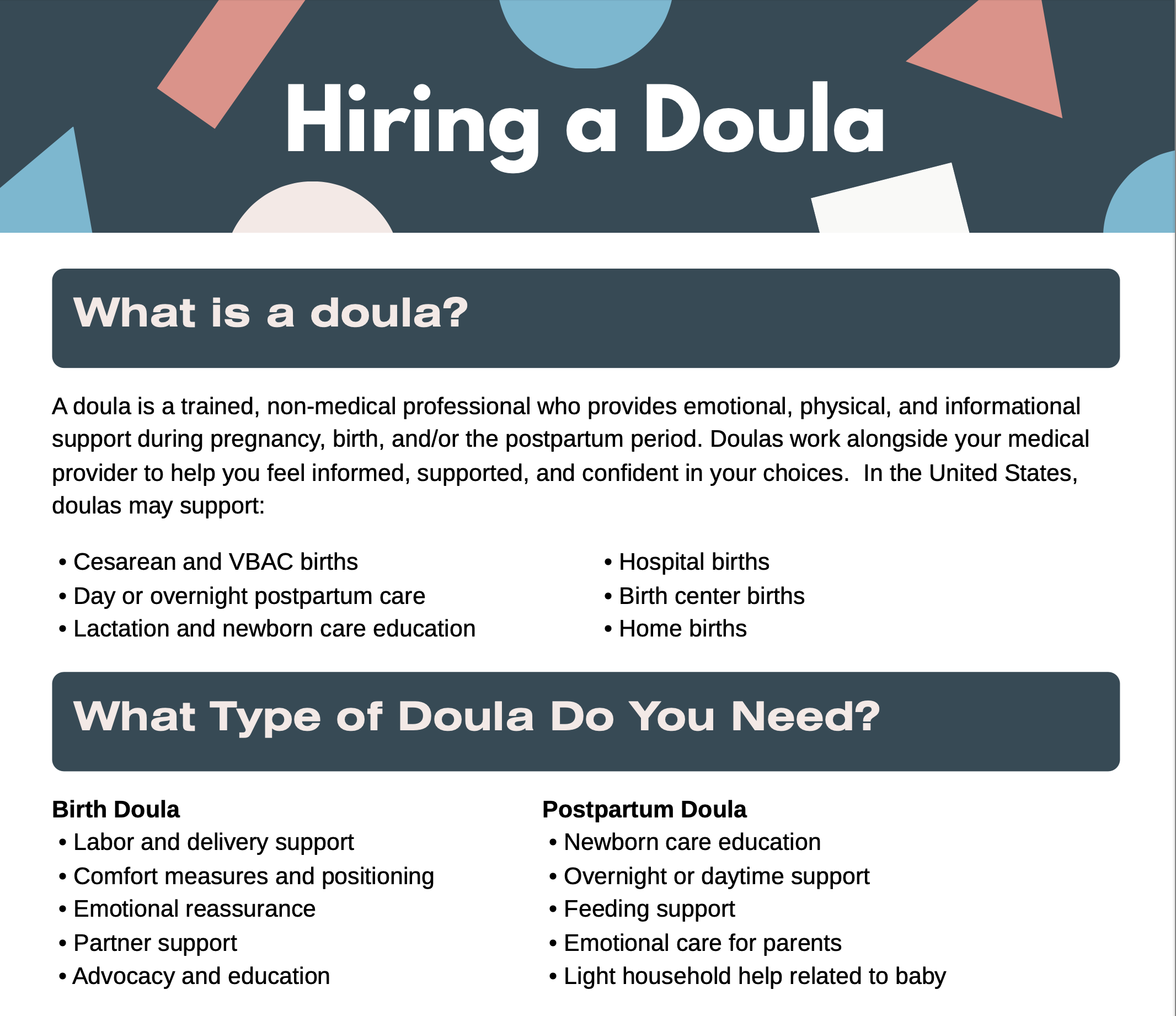
Families in Honolulu and across Oʻahu are increasingly seeking personalized, compassionate care during pregnancy, birth, and the postpartum period. At Connecticut Doulas, we provide professional birth doula and postpartum doula services to families in Honolulu who want steady emotional support, practical guidance, and trauma-informed care during one of the most transformative times of life.
Pregnancy and early parenthood bring enormous physical and emotional changes. While medical providers focus on clinical safety, many families want care that also centers their lived experience, values, and sense of emotional security. A doula offers non-medical support that complements your healthcare team and helps you feel informed, respected, and supported through every stage of your journey.
Whether you are planning a hospital birth in Honolulu, giving birth at a birth center on Oʻahu, or welcoming your baby home after delivery, a Honolulu birth doula and postpartum doula can help you navigate each phase with clarity and confidence.
What Is a Birth Doula?
A birth doula is a trained professional who provides continuous emotional, physical, and informational support during pregnancy, labor, and birth. Unlike doctors or midwives, doulas do not perform medical procedures or make clinical decisions. Their role is to support the birthing person and their partner throughout the labor and birth experience.
A birth doula in Honolulu helps families prepare by discussing birth preferences, common interventions, and coping strategies for labor. During birth, the doula offers comfort measures such as breathing guidance, movement and positioning, physical reassurance, and emotional encouragement. They also help families understand what is happening during labor and support communication with medical staff.
Studies consistently show that continuous labor support improves satisfaction with birth and can reduce feelings of fear and overwhelm. More importantly, families often describe feeling calmer, more prepared, and more grounded when a doula is present.
What Is a Postpartum Doula?
A postpartum doula supports families after birth as they recover and adjust to life with a newborn. The postpartum period, often called the “fourth trimester,” involves physical healing, hormonal shifts, emotional vulnerability, and significant lifestyle changes.
A postpartum doula in Honolulu may help with:
Newborn care education
Infant feeding support
Emotional reassurance
Sleep guidance
Light baby-related household support
Partner and sibling adjustment
Processing the birth experience
Postpartum doula care is not medical care. Instead, it provides consistent presence, education, and emotional support so families feel less alone and more confident in their new role.
Why Families in Honolulu Choose Doula Support
Families on Oʻahu seek doula support for many reasons. Some want additional guidance during pregnancy. Others are recovering from previous birth experiences that felt stressful or frightening. Many families simply want someone whose role is to focus entirely on their emotional wellbeing and practical needs.
Living on an island can intensify the postpartum transition. Some families are far from extended relatives. Others juggle demanding work schedules, military life, or cultural expectations around caregiving. A Honolulu birth doula and postpartum doula provides continuity and support during a time when everything feels new and uncertain.
Hospital systems can feel fast-paced and clinical. A doula offers time, attention, and individualized care that can be difficult to find within standard medical appointments.
Birth Settings in Honolulu and Across Oʻahu
Families in Honolulu give birth in a variety of settings, including large hospitals, smaller community hospitals, birth centers, and home birth environments. A birth doula adapts support to each setting while respecting hospital policies and family preferences.
In hospital births, doulas help families navigate medical systems that can feel overwhelming. They provide emotional grounding, explain procedures in accessible language, and help families feel more prepared for decision-making.
In birth center and home birth settings, doulas focus on physiological labor support, comfort techniques, and emotional reassurance while working alongside midwives and nurses.
No matter where you give birth, a birth doula’s role remains the same: continuous support centered on emotional safety and informed choice.
Postpartum Care and the Fourth Trimester
The postpartum period is often more intense than families expect. Physical recovery, feeding questions, sleep deprivation, and emotional vulnerability converge at once. A postpartum doula helps families feel supported through this transition.
Postpartum doulas in Honolulu assist families in understanding normal newborn behavior, easing anxiety around feeding and sleep. They provide guidance for families who are breastfeeding, formula feeding, pumping, or combination feeding. They also offer reassurance when exhaustion or self-doubt arises.
For families who experienced difficult or traumatic births, postpartum doula care provides space to process emotions without pressure or judgment.
Trauma-Informed Doula Care
Our Honolulu doula services are grounded in trauma-informed care. This approach recognizes that pregnancy and birth can activate fear, stress, or past experiences of medical trauma or loss.
Trauma-informed doula care prioritizes:
Choice and consent
Clear communication
Emotional safety
Respect for boundaries
Collaborative decision-making
Rather than directing families, doulas support informed choice. This helps reduce shame and pressure while building trust and confidence.
Who Benefits from a Birth or Postpartum Doula?
Doula care benefits families in many situations, including:
First-time parents
Families recovering from difficult births
Parents without nearby family support
Families navigating feeding challenges
Those with anxiety around birth
Families welcoming multiples
Parents experiencing postpartum mood changes
Partners and non-birthing parents also benefit from doula care. Doulas help partners understand what to expect and how to provide meaningful support during labor and recovery.
Cultural Humility and Family-Centered Care
Honolulu is home to families from many cultural, linguistic, and spiritual traditions. Doula care must be responsive to this diversity and grounded in cultural humility.
A culturally responsive birth doula and postpartum doula listens first and adapts care rather than assuming one model fits all families. This includes honoring family rituals, postpartum traditions, and infant care practices while offering evidence-based guidance.
For families who have felt marginalized or dismissed in medical settings, doula care can feel especially meaningful because it centers listening and respect.
How Doulas Work with Medical Providers
Doulas do not replace doctors, nurses, or midwives. They work alongside medical providers to support families emotionally and informationally.
A birth doula helps families prepare questions for prenatal visits and understand medical recommendations during labor. A postpartum doula supports families between pediatrician appointments and helps identify when medical follow-up is needed.
This collaborative role strengthens the overall care team and improves communication.
Emotional Health and Postpartum Adjustment
Postpartum mood and anxiety disorders affect many families. While doulas do not provide therapy, they help normalize emotional changes and encourage families to seek professional support when needed.
A postpartum doula can help families distinguish between normal adjustment and signs of postpartum depression or anxiety. They also provide referrals to mental health providers when appropriate.
Because doulas spend extended time with families, they often notice emotional shifts that might not surface during brief medical visits.
The Lasting Impact of Doula Support
Families who work with birth doulas and postpartum doulas often report:
Greater confidence in infant care
Less isolation
Improved communication with partners
Greater satisfaction with birth
Stronger emotional recovery
These benefits extend beyond the newborn period. Early support influences how families approach stress, self-care, and parenting long-term.
Doula care is not about dependency. It is about empowering families with knowledge, support, and confidence.
Choosing a Birth or Postpartum Doula in Honolulu
When selecting a doula, families should consider training, experience, and personal connection. It is important to feel comfortable asking questions and expressing concerns.
Helpful questions include:
What training and experience do you have?
How do you support feeding goals?
What is your availability?
How do you work with hospital staff?
What is your approach to birth and postpartum care?
A strong doula relationship is built on trust and mutual respect.
Cost and Accessibility of Doula Care in Honolulu
The cost of birth and postpartum doula services in Honolulu varies depending on experience and services offered. Some doulas offer sliding scale fees or payment plans.
Insurance coverage for doula services remains limited, though some families use health savings accounts or flexible spending accounts. Community programs and nonprofit organizations may offer reduced-cost doula support.
Families are encouraged to ask about options and resources when exploring care.
Why Demand for Doulas in Honolulu Is Growing
As awareness of maternal mental health and birth trauma increases, families are seeking care that addresses emotional and physical wellbeing. Birth doulas and postpartum doulas fill an important gap in traditional healthcare.
In Honolulu, where families balance work, military life, and extended family obligations, doula care provides stability and continuity during a major life transition. The growing demand reflects a shift toward recognizing postpartum support as essential, not optional.
Birth and Postpartum Doula Services in Honolulu
We provide birth doula and postpartum doula services throughout Honolulu and surrounding communities on Oʻahu. Our care adapts to your location, birth setting, and family structure.
Whether you are preparing for birth or already home with your baby, we meet families where they are with thoughtful, respectful, and evidence-based care.
Begin Your Journey with a Honolulu Birth or Postpartum Doula
If you are searching for a trusted birth doula in Honolulu or a compassionate postpartum doula on Oʻahu, Connecticut Doulas is here to support you. We offer individualized, trauma-informed care through pregnancy, birth, and the early weeks of parenthood.
Choosing a doula is about building a circle of care around your family during a time of profound change.
We would be honored to support you on this journey.
Birth and Postpartum Doula Support in New York City
Professional birth and postpartum doula services in New York City. Personalized, evidence-based support for pregnancy, labor, and newborn care.
Families across New York City are increasingly seeking personalized, compassionate support during pregnancy, birth, and the postpartum period. At Connecticut Doulas, we provide professional birth doula and postpartum doula services to families throughout New York City who want steady guidance, emotional reassurance, and practical care during one of life’s most transformative experiences.
Pregnancy and early parenthood bring profound physical, emotional, and psychological changes. While medical providers focus on clinical safety, many families need additional support that centers their lived experience, values, and emotional wellbeing. A doula fills this role by offering non-medical care that complements your healthcare team and helps you feel informed, supported, and and confident throughout your journey.
Whether you are planning a hospital birth in Manhattan, delivering in Brooklyn or Queens, or welcoming your baby at home after a birth elsewhere, a New York City birth doula and postpartum doula can help you navigate each stage with clarity and care.
What Is a Birth Doula?
A birth doula is a trained professional who provides continuous emotional, physical, and informational support during pregnancy, labor, and birth. Unlike doctors or midwives, doulas do not perform medical procedures or make clinical decisions. Their role is to support the birthing person and their partner through the emotional and physical intensity of labor.
A birth doula in New York City helps families prepare for labor by discussing birth preferences, common interventions, and coping strategies. During labor, the doula offers comfort measures such as breathing guidance, positioning support, hands-on comfort, and reassurance. They also help families communicate with their healthcare team and understand what is happening during the birth process.
Research consistently shows that continuous labor support is associated with improved birth satisfaction and lower rates of certain interventions. Beyond outcomes, families often describe feeling calmer, more informed, and more empowered when a doula is present during labor.
What Is a Postpartum Doula?
A postpartum doula supports families after birth as they recover and adjust to life with a newborn. This time, often referred to as the “fourth trimester,” involves physical healing, hormonal shifts, emotional vulnerability, and major changes in daily routines.
A postpartum doula in NYC may assist with:
Newborn care education
Infant feeding support
Emotional support and reassurance
Light household tasks related to baby care
Sleep guidance
Partner and sibling adjustment
Processing the birth experience
Postpartum doula care does not replace medical care. Instead, it provides continuity, education, and individualized attention that helps families feel less overwhelmed and more confident in their new roles.
Why Families in New York City Choose Doula Support
New York City families seek doula support for many reasons. Some want additional preparation for birth. Others are recovering from difficult pregnancies or prior birth experiences. Many simply want to feel less alone in a fast-paced and often impersonal healthcare environment.
Urban living can intensify the postpartum transition. Many families in NYC live far from extended relatives, return to work quickly, or navigate parenthood in small living spaces without consistent help. A birth doula and postpartum doula provide steady presence and emotional continuity during a time when everything feels unfamiliar.
For families in NYC, doula care also helps bridge gaps in care created by busy hospital systems. Medical visits are often brief and focused on clinical metrics, while doula care allows time for questions, reflection, and individualized support.
Birth Settings in New York City
Families in New York City give birth primarily in hospital settings, though some choose birth centers or home birth. A birth doula adapts support to each environment while respecting hospital policies and family preferences.
In hospital births, doulas help families navigate complex systems that can feel intimidating. They provide grounding support, explain procedures in accessible language, and help families advocate for informed consent.
In birth center or home birth settings, doulas focus on physiological labor support, comfort measures, and emotional reassurance while working collaboratively with midwives and nurses.
Regardless of setting, the birth doula’s role remains centered on emotional safety, informed decision-making, and continuous support.
Postpartum Support and the Fourth Trimester
The postpartum period is often more challenging than families expect. Physical recovery, sleep deprivation, feeding questions, and emotional vulnerability converge at once. A postpartum doula offers both practical and emotional care during this time.
Postpartum doulas in New York City help families understand what is normal newborn behavior, easing anxiety around feeding, sleep, and crying. They support feeding goals whether families are breastfeeding, formula feeding, pumping, or combination feeding. They also provide reassurance during moments of doubt and exhaustion.
For families who experienced a difficult or traumatic birth, postpartum doula care can provide space to process emotions and feel supported without judgment.
Trauma-Informed Doula Care
Our New York City doula services are grounded in trauma-informed care. This approach recognizes that pregnancy and birth can activate fear, stress, or past experiences of medical trauma or loss.
Trauma-informed doula care emphasizes:
Choice and consent
Clear communication
Emotional safety
Respect for boundaries
Collaborative decision-making
Rather than telling families what to do, doulas help families understand their options and feel supported in making their own decisions. This reduces shame and pressure while building confidence and trust.
Who Benefits from a Birth or Postpartum Doula?
Doula care supports families from many backgrounds and circumstances, including:
First-time parents
Families recovering from difficult births
Parents with limited local support
Families managing feeding challenges
Those with anxiety or fear around birth
Parents welcoming multiples
Families navigating postpartum mood changes
Partners and non-birthing parents also benefit from doula support. Doulas help partners understand how to provide comfort, what to expect during labor, and how to support recovery after birth.
Cultural Humility and Individualized Care
New York City is home to families from diverse cultural, linguistic, and social backgrounds. Doula care must be responsive to this diversity and grounded in cultural humility.
A culturally responsive birth doula and postpartum doula listens first and adapts support rather than assuming one model of care fits everyone. This includes honoring family rituals, feeding practices, and postpartum traditions while offering evidence-based guidance.
For families who have felt marginalized or dismissed in healthcare settings, doula care can feel especially meaningful because it centers listening and respect.
How Doula Care Works with Medical Providers
Doulas do not replace doctors, nurses, or midwives. Instead, they work alongside medical providers to support families emotionally and informationally.
A birth doula helps families prepare questions for prenatal visits and understand medical recommendations during labor. A postpartum doula supports families between pediatrician appointments and helps them recognize when medical follow-up is needed.
This collaborative role strengthens the care team and helps families feel more connected and informed.
Mental Health and Emotional Support
Postpartum mood and anxiety disorders affect a significant number of new parents. While doulas do not provide therapy, they play an important role in recognizing emotional changes and encouraging families to seek professional support.
A postpartum doula can help families differentiate between normal emotional adjustment and signs of postpartum depression or anxiety. They can offer referrals to mental health providers and normalize the need for care.
Because doulas spend extended time with families, they often notice changes that may not surface during brief medical visits.
The Long-Term Impact of Doula Support
Families who work with birth doulas and postpartum doulas often report:
Greater confidence in infant care
Reduced feelings of isolation
Improved communication with partners
Greater satisfaction with birth
More supported postpartum recovery
These benefits extend beyond the immediate postpartum period. Early support shapes how families approach stress, parenting, and self-care in the months and years that follow.
Doula care is not about creating dependency. It is about strengthening families so they can trust themselves as they grow into parenthood.
Choosing a Birth or Postpartum Doula in New York City
When choosing a doula, families should consider training, experience, and personal fit. It is important to feel comfortable asking questions and sharing concerns openly.
Families may want to ask:
What training and experience do you have?
How do you support feeding goals?
What is your availability?
How do you work with hospital staff?
What is your philosophy around birth and postpartum care?
A strong doula relationship is built on trust and mutual respect.
Cost and Accessibility of Doula Services in NYC
The cost of birth and postpartum doula services in New York City varies based on experience and package structure. Some doulas offer sliding scale rates or payment plans.
Insurance coverage for doula care remains limited, though some families use flexible spending accounts or health savings accounts. Community-based doula programs and nonprofit organizations may offer low-cost or grant-funded support.
Families are encouraged to ask about options and resources when exploring care.
Why Demand for Doulas in New York City Is Growing
As conversations about maternal mental health and birth trauma become more visible, families are seeking care models that address both physical and emotional needs. Birth doulas and postpartum doulas fill a gap in traditional healthcare by offering continuity and relational support.
In New York City, where families often juggle work, commuting, and limited living space, doula care provides stability during an intense transition. The growing demand reflects a shift toward recognizing postpartum care as essential, not optional.
Birth and Postpartum Doula Services Across New York City
We provide birth doula and postpartum doula services throughout New York City, including Manhattan, Brooklyn, Queens, the Bronx, and Staten Island. Our care adapts to your location, birth setting, and family structure.
Whether you are preparing for birth or already home with your baby, we meet families where they are with care that is respectful, individualized, and grounded in evidence.
Start Your Journey with a New York City Birth or Postpartum Doula
If you are searching for a trusted birth doula in New York City or a compassionate postpartum doula in NYC, Connecticut Doulas is here to support you. We offer thoughtful, personalized care during pregnancy, birth, and the early weeks of parenthood.
Choosing a doula is not about outsourcing parenting. It is about building a circle of care around your family during a time of profound change.
We would be honored to walk alongside you during this transition.
The Definitive Guide to Using Your Carrot Fertility Benefits for Doula Care in Rhode Island
If you’re pregnant or newly postpartum in Rhode Island and trying to figure out how to afford doula care, you’re not alone. Cost is one of the biggest barriers families face when considering birth or postpartum support—especially when you’re already navigating medical bills, childcare planning, and limited leave.
What many Rhode Island families don’t realize is that employer fertility benefits may help cover doula services. In particular, Carrot Fertility benefits are increasingly being used to reimburse families for birth and postpartum doulas—yet very few people know this option exists.
This guide will walk you through:
✔ What Carrot Fertility is and how it works
✔ Whether Carrot covers doulas in Rhode Island
✔ A step-by-step guide to using your benefits
✔ How reimbursement works for birth vs postpartum care
✔ Common pitfalls (and how to avoid them)
✔ How to maximize your benefits locally
Whether you’re searching:
“Does Carrot Fertility cover doulas in Rhode Island?”
“Doula coverage with Carrot benefits RI”
“How to get reimbursed for postpartum doula services”
…this guide is designed to give you clear answers.
What Is Carrot Fertility?
Carrot Fertility is an employer-sponsored benefit platform that provides financial support for reproductive and family-building care. It’s commonly offered by large employers, tech companies, and universities as part of modern benefits packages.
Carrot can be used for:
IVF and fertility treatment
Egg and sperm freezing
Adoption and surrogacy
Prenatal and postpartum care
Lactation services
Mental health support
Doula care (on many plans)
Carrot typically works on a reimbursement model, meaning:
You pay your provider directly.
You submit documentation to Carrot.
You receive reimbursement based on your plan’s rules.
Does Carrot Fertility Cover Doulas in Rhode Island?
In many cases, yes—Carrot benefits can reimburse for doula services, including:
Birth doulas
Postpartum doulas
Sometimes sibling doulas
Sometimes lactation support
Coverage depends on:
Your specific employer plan
Your available Carrot balance
How the service is categorized (prenatal, labor, postpartum)
This is why families feel confused: there is no single universal Carrot policy. Each employer configures coverage slightly differently.
Doula services are often reimbursed under:
Pregnancy support
Labor support
Postpartum recovery services
Prenatal education
If you live in Rhode Island and have Carrot benefits, there is a strong likelihood your doula services can be partially or fully reimbursed.
Why This Matters for Rhode Island Families
In Rhode Island, access to doula care is growing—but traditional insurance coverage remains limited. While Medicaid and hospital-based programs are expanding slowly, many families still must pay privately.
That leaves three options:
Pay fully out of pocket
Skip doula care
Use employer benefits like Carrot
For many Rhode Island parents, Carrot benefits are the only way to afford professional labor or postpartum support.
This is especially important for:
First-time parents
Families with prior birth trauma
Parents recovering from medical complications
Families without local support networks
Parents hoping to reduce unnecessary interventions
Step-by-Step: How to Use Carrot Fertility for Doula Care
Here’s how most families successfully use their Carrot benefits for doula services.
Step 1: Log Into Your Carrot Account
Start by accessing your Carrot dashboard. Look for:
Covered services
Remaining balance
Reimbursement categories
Search for:
“doula”
“labor support”
“postpartum care”
“prenatal support”
If you don’t see “doula” specifically, that doesn’t mean it’s not covered—many plans reimburse under broader categories.
Step 2: Confirm Coverage (Optional but Helpful)
You can message Carrot support and ask:
“Does my plan reimburse for birth or postpartum doula services in Rhode Island?”
This provides:
✔ Written confirmation
✔ Clarity on categories
✔ Guidance on documentation
This step can save time later if your claim is questioned.
Step 3: Choose a Doula Who Can Provide Proper Documentation
Carrot typically requires:
An invoice
Description of services
Dates of service
Proof of payment
Your doula should be able to provide:
✔ Itemized invoice
✔ Service type (birth or postpartum doula)
✔ Receipt or payment confirmation
Missing documentation is one of the most common reasons claims are delayed.
Step 4: Pay Your Doula
Most families:
Pay a deposit
Pay the remaining balance before or shortly after birth
Carrot generally reimburses after payment is made.
Step 5: Submit Your Claim
Upload:
Invoice
Proof of payment
Any required service description
Choose the closest matching category:
Pregnancy support
Labor support
Postpartum care
Claims are usually processed within:
1–3 weeks
Sometimes faster
Occasionally longer if more information is requested
How Reimbursement Works for Birth vs Postpartum Doulas
Birth Doula Reimbursement
Birth doula services often include:
Prenatal visits
Labor and birth support
Early postpartum check-in
These may be reimbursed under:
Pregnancy support
Labor support
Prenatal education
Some plans reimburse:
✔ The full package
✔ A portion of the package
✔ Only labor support
✔ Only prenatal visits
It depends on:
Employer rules
Benefit balance
Service categorization
Postpartum Doula Reimbursement
Postpartum doula services often include:
Infant feeding support
Newborn care
Emotional support
Light household help
Recovery guidance
These are often reimbursed under:
Postpartum care
Recovery services
Lactation support
Wellness benefits
Many Rhode Island families successfully use Carrot for:
✔ Daytime postpartum doula care
✔ Overnight care
✔ Short-term recovery support
✔ Trauma-informed postpartum care
Common Pitfalls (and How to Avoid Them)
❌ Pitfall #1: Waiting Until After Services Are Completed
Solution: Confirm your plan before your due date.
❌ Pitfall #2: Poorly Written Invoices
Solution: Ensure invoices clearly state:
“Birth doula services” or “postpartum doula services”
Dates
Provider name
Payment confirmation
❌ Pitfall #3: Selecting the Wrong Category
Solution: Use categories like:
Pregnancy support
Labor support
Postpartum care
Avoid unrelated categories like “medical care” unless instructed.
❌ Pitfall #4: Assuming Insurance and Carrot Are the Same
Solution: Carrot is separate from your medical insurance. Even if insurance doesn’t cover doulas, Carrot may.
Carrot vs Medicaid or Private Insurance in Rhode Island
Traditional insurance coverage for doulas remains limited in Rhode Island, though community-based doula initiatives are expanding.
Carrot differs because:
✔ It reimburses non-medical support
✔ It doesn’t require diagnosis codes
✔ It allows flexible provider choice
✔ It recognizes emotional and practical care
This makes it ideal for:
Trauma-informed support
Preventative care
Families seeking non-medical labor assistance
Why This Is a High-Traffic Search Topic
When someone searches:
“Carrot Fertility doulas”
“doula reimbursement RI”
“insurance coverage doula”
They are:
✔ Already pregnant
✔ Planning support
✔ Motivated by cost
✔ Likely to book services
These are high-intent searches, meaning:
Less competition
Higher conversion potential
Strong local SEO opportunity
How to Maximize Your Carrot Benefits
✔ Use benefits for both birth and postpartum
✔ Combine doula care with lactation support
✔ Prioritize services not covered by insurance
✔ Submit paperwork promptly
✔ Keep digital copies of receipts
Some families use Carrot to:
Fully cover birth doula services
Partially cover postpartum care
Offset weeks of professional support
Example Scenario (Hypothetical)
A Rhode Island family with:
$4,000 in Carrot benefits
A $2,200 birth doula package
$1,800 postpartum care
They:
Pay their doula
Submit invoices
Receive reimbursement
Access support without depleting savings
Why Choose a Doula Familiar With Carrot?
A doula experienced with employer benefits can help with:
✔ Proper invoices
✔ Correct language
✔ Faster reimbursement
✔ Fewer claim issues
✔ Less stress
It also means:
Strategic payment timing
Documentation prepared in advance
Less confusion for families
Frequently Asked Questions
Does Carrot pay the doula directly?
No, you pay first and are reimbursed.
Can Carrot cover both birth and postpartum care?
Often yes, depending on your balance.
Is there a limit?
Yes, determined by your employer.
Can I use Carrot with any doula?
Usually yes, with proper documentation.
Does the doula need certification?
Typically no, but service description matters.
Final Thoughts
Doula care improves emotional wellbeing, birth experiences, and postpartum recovery—yet cost keeps many families from accessing support. Carrot Fertility benefits can change that for Rhode Island families.
If your employer offers Carrot, you may already have funding available for:
✔ Birth support
✔ Postpartum care
✔ Trauma-informed services
✔ Recovery assistance
Understanding how to use your benefits can make professional support financially accessible.
The Definitive Guide to Using Your Carrot Fertility Benefits for Doula Care in Honolulu
If you’re pregnant or newly postpartum in Honolulu, you already know that building your support system can feel complicated — especially if you don’t have extended family nearby or if you’re far from your home community. Add in the high cost of living in Hawaiʻi, and doula care can feel financially out of reach even when you know it would make a meaningful difference.
What many families don’t realize is that employer fertility benefits may help cover doula services. In particular, Carrot Fertility benefits are increasingly being used to reimburse families for birth and postpartum doulas — yet very few people in Hawaiʻi know this is an option.
This guide will walk you through:
✔ What Carrot Fertility is and how it works
✔ Whether Carrot covers doulas in Honolulu
✔ Step-by-step how to use your benefits
✔ How reimbursement works for birth vs postpartum care
✔ Common pitfalls (and how to avoid them)
✔ How to maximize your benefits in Hawaiʻi
Whether you’re searching:
“Does Carrot Fertility cover doulas in Honolulu?”
“Doula coverage with Carrot benefits Hawaii”
“How to get reimbursed for postpartum doula services”
…this guide is designed to give you clear, practical answers.
What Is Carrot Fertility?
Carrot Fertility is an employer-sponsored benefit platform that provides financial support for reproductive and family-building care. It’s commonly offered by large employers, tech companies, healthcare systems, and universities as part of modern benefits packages.
Carrot can be used for:
IVF and fertility treatment
Egg and sperm freezing
Adoption and surrogacy
Prenatal and postpartum care
Lactation services
Mental health support
Doula care (on many plans)
Carrot usually operates on a reimbursement model, meaning:
You pay your provider directly.
You submit documentation to Carrot.
You receive reimbursement according to your plan rules.
Some employers also allow direct payments, but reimbursement is the most common structure.
Does Carrot Fertility Cover Doulas in Honolulu?
In many cases, yes — Carrot benefits can reimburse doula services, including:
Birth doulas
Postpartum doulas
Sometimes sibling doulas
Sometimes lactation support
Coverage depends on:
Your employer’s specific plan
Your available Carrot balance
How the service is categorized (prenatal, labor, postpartum)
There is no single universal Carrot policy. Each employer defines coverage differently, which is why some families get full reimbursement while others receive partial reimbursement.
Doula services are often reimbursed under categories such as:
Pregnancy support
Labor and delivery support
Prenatal education
Postpartum recovery services
If you live in Honolulu and your employer offers Carrot, there is a strong chance your doula care can be at least partially reimbursed.
Why This Matters for Families in Honolulu
In Hawaiʻi, access to doula care is growing — but insurance coverage remains limited and inconsistent. Many families rely on private pay, which can be difficult given:
High housing costs
Limited family leave
Geographic isolation from extended family
Fewer in-home support options
This leaves many families choosing between:
Paying fully out of pocket
Skipping doula care
Using employer benefits like Carrot
For families in Honolulu, Carrot benefits can be the bridge between wanting support and actually being able to afford it.
This is especially important for:
Military families stationed in Hawaiʻi
Families far from relatives
First-time parents
Parents with prior birth trauma
Families recovering from medical complications
Families planning VBAC or physiologic birth
Step-by-Step: How to Use Carrot Fertility for Doula Care
Here’s how most families successfully use their Carrot benefits for doula services in Honolulu.
Step 1: Log Into Your Carrot Account
Start by logging into your Carrot Fertility dashboard. Look for:
Covered services
Remaining balance
Reimbursement categories
Search for:
“doula”
“labor support”
“prenatal care”
“postpartum care”
If you don’t see “doula” listed, don’t assume it’s not covered. Many plans reimburse doula services under broader categories.
Step 2: Confirm Coverage (Optional but Helpful)
You can message Carrot support directly and ask:
“Does my plan reimburse for birth or postpartum doula services in Honolulu, Hawaiʻi?”
This gives you:
✔ Written confirmation
✔ Guidance on categories
✔ Documentation support
✔ Clear expectations
Having this message on file can help if your claim is delayed or flagged later.
Step 3: Choose a Doula Who Can Provide Proper Documentation
Carrot usually requires:
An invoice
Description of services
Dates of service
Proof of payment
Your doula should be able to provide:
✔ Itemized invoice
✔ Service type clearly labeled
✔ Payment receipt
✔ Provider contact information
Incomplete invoices are the most common reason reimbursement is delayed.
Step 4: Pay Your Doula
Most families:
Pay a deposit when booking
Pay the remaining balance before or shortly after birth
Carrot almost always reimburses after payment is made.
Step 5: Submit Your Claim
Upload:
Invoice
Proof of payment
Any required service notes
Choose the most accurate category:
Pregnancy support
Labor support
Postpartum care
Claims are typically processed in:
1–3 weeks
Sometimes faster
Occasionally longer if more documentation is requested
How Reimbursement Works for Birth vs Postpartum Doulas
Birth Doula Reimbursement
Birth doula services often include:
Prenatal visits
Labor and birth support
Early postpartum check-in
These may be reimbursed under:
Pregnancy support
Labor support
Prenatal education
Some plans reimburse:
✔ The full package
✔ A portion of the package
✔ Only labor support
✔ Only prenatal visits
It depends on:
Employer rules
Benefit balance
How the services are categorized
Postpartum Doula Reimbursement
Postpartum doula services often include:
Infant feeding support
Newborn care
Emotional support
Light household help
Recovery education
These are often reimbursed under:
Postpartum care
Recovery services
Lactation support
Wellness benefits
Many families in Honolulu use Carrot for:
✔ Daytime postpartum care
✔ Overnight newborn support
✔ Short-term recovery care
✔ Trauma-informed postpartum support
Common Pitfalls (and How to Avoid Them)
❌ Pitfall #1: Waiting Until After Services Are Completed
Solution: Confirm your plan before your due date.
❌ Pitfall #2: Poorly Written Invoices
Solution: Make sure invoices clearly state:
“Birth doula services” or “postpartum doula services”
Dates of service
Provider name
Payment confirmation
❌ Pitfall #3: Choosing the Wrong Category
Solution: Use:
Pregnancy support
Labor support
Postpartum care
Avoid unrelated categories like “medical care” unless instructed.
❌ Pitfall #4: Assuming Insurance and Carrot Are the Same
Solution: Carrot is separate from your health insurance. Even if insurance doesn’t cover doulas, Carrot often will.
Carrot vs Medicaid or Private Insurance in Hawaiʻi
Traditional insurance coverage for doulas in Hawaiʻi remains limited, though community-based programs and pilot initiatives are growing.
Carrot differs because:
✔ It reimburses non-medical care
✔ It does not require diagnosis codes
✔ It allows flexible provider choice
✔ It recognizes emotional and practical support
This makes Carrot ideal for:
Trauma-informed care
Preventative birth support
Families seeking continuity of care
Parents who want non-medical labor support
Why This Is a High-Value Search Topic
When someone searches:
“Carrot Fertility doulas Honolulu”
“doula reimbursement Hawaii”
“insurance coverage doula”
They are:
✔ Already pregnant
✔ Actively planning support
✔ Cost-conscious
✔ Likely to book services
These are high-intent searches, meaning:
Lower competition
Higher conversion potential
Strong local SEO value
How to Maximize Your Carrot Benefits
✔ Use benefits for both birth and postpartum
✔ Combine doula care with lactation support
✔ Prioritize services not covered by insurance
✔ Submit paperwork quickly
✔ Keep digital copies of all receipts
Some families use Carrot to:
Fully cover birth doula services
Partially cover postpartum support
Offset several weeks of in-home care
Example Scenario (Hypothetical)
A Honolulu family with:
$5,000 in Carrot benefits
A $2,500 birth doula package
$2,500 postpartum care
They:
Pay their doula
Submit invoices
Receive reimbursement
Receive support without draining savings
Why Choose a Doula Familiar With Carrot?
A doula who understands employer benefits can help with:
✔ Proper invoice wording
✔ Strategic service labeling
✔ Faster reimbursements
✔ Fewer claim rejections
✔ Less stress for families
It also means:
Documentation prepared ahead of time
Fewer follow-up emails
Clear expectations
Smoother experience overall
Frequently Asked Questions
Does Carrot pay the doula directly?
Usually no — you pay first and are reimbursed.
Can Carrot cover both birth and postpartum care?
Often yes, depending on your benefit balance.
Is there a limit?
Yes, set by your employer plan.
Can I use Carrot with any doula?
Generally yes, if documentation is provided.
Does the doula need certification?
Typically no, but service description matters.
Final Thoughts
Doula care improves emotional wellbeing, birth outcomes, and postpartum recovery — yet cost prevents many families in Hawaiʻi from accessing support. Carrot Fertility benefits can change that reality.
If your employer offers Carrot, you may already have funding available for:
✔ Birth support
✔ Postpartum care
✔ Trauma-informed services
✔ Recovery assistance
Understanding how to use your benefits makes professional support far more accessible — especially in a place where family networks may be far away.
The Definitive Guide to Using Your Carrot Fertility Benefits for Doula Care in New York City
If you’re pregnant or newly postpartum in New York City, chances are you’re juggling a lot: medical appointments, work schedules, housing costs, and the emotional weight of becoming a parent in one of the busiest cities in the world. If your employer offers Carrot Fertility benefits, you may already know they help with IVF, egg freezing, and fertility treatments — but many NYC families don’t realize that Carrot can also reimburse doula services.
That lack of awareness means thousands of parents are paying out of pocket for care that could be partially or fully covered.
This guide will walk you through:
✔ What Carrot Fertility is and how it works
✔ How to use Carrot benefits for birth and postpartum doula care in NYC
✔ Step-by-step instructions for reimbursement
✔ Common mistakes and how to avoid them
✔ How to choose a doula who meets Carrot’s requirements
✔ Why doula care is especially valuable in New York City
If you’ve searched:
“Does Carrot Fertility cover doulas?”
“Doula reimbursement NYC”
“How to use Carrot benefits for postpartum doula”
“Carrot Fertility doula New York”
You’re in exactly the right place.
What Is Carrot Fertility?
Carrot Fertility is an employer-sponsored fertility and family-building benefits program. Many NYC-based companies — especially in tech, finance, healthcare, and media — now offer Carrot benefits as part of their employee healthcare package.
Carrot provides:
• A dedicated dollar amount for family-building expenses
• Reimbursement for eligible services
• Support for pregnancy, birth, and postpartum in many plans
Unlike traditional insurance, Carrot works on a reimbursement model:
You pay your provider → submit documentation → Carrot reimburses you.
The exact amount you receive depends on your employer’s plan, but many families have $3,000–$20,000+ in benefits available.
Does Carrot Fertility Cover Doula Care in NYC?
Yes — many Carrot plans reimburse for doula care, including:
• Birth doulas
• Postpartum doulas
• Virtual doula support
• Lactation-related services (sometimes separately)
However, coverage depends on:
• Your employer’s specific Carrot policy
• Whether your doula meets Carrot’s documentation standards
• How the service is categorized (birth vs postpartum)
That’s why having a doula who understands the Carrot process is critical.
Why Doula Care Matters in New York City
NYC is home to some of the most advanced hospitals in the country — and also some of the highest maternal stress levels.
Parents in New York face:
• Long hospital wait times
• Busy OB practices
• Short postpartum hospital stays
• High cesarean rates in some facilities
• Minimal emotional support after discharge
A doula helps bridge the gap between medical care and human care.
Research shows doulas can:
• Reduce cesarean rates
• Improve birth satisfaction
• Increase breastfeeding success
• Decrease postpartum anxiety
• Improve informed consent
In NYC, where providers are stretched thin and families often lack nearby relatives, doula care can be transformative.
Birth Doula vs Postpartum Doula: How Carrot Handles Each
Birth Doula Coverage
Carrot often classifies birth doula care under:
• Pregnancy support
• Labor support
• Non-medical maternity services
Typical reimbursable services include:
• Prenatal visits
• On-call labor support
• In-hospital or home birth support
• One or more postpartum follow-ups
Postpartum Doula Coverage
Postpartum care may be categorized as:
• Recovery support
• Infant care education
• Emotional support
• Lactation guidance
• Family transition services
This can include:
• Daytime support
• Overnight care
• Newborn feeding assistance
• Light household help
• Parental mental health support
Some Carrot plans cap postpartum reimbursements separately from birth services — another reason to verify before booking.
Step-by-Step: How to Use Carrot Fertility for Doula Care in NYC
Step 1: Log Into Your Carrot Dashboard
Check your:
• Total benefit balance
• Eligible service categories
• Time window for reimbursement
Search for:
“doula”
“postpartum support”
“labor support”
If unclear, message Carrot support directly inside your portal.
Step 2: Choose a Carrot-Friendly NYC Doula
Your doula should be able to provide:
• Invoice with business name and tax ID
• Service description (birth/postpartum)
• Dates of service
• Proof of payment
• Certification or training (if required)
Pro tip: Ask your doula:
“Have you worked with Carrot Fertility before?”
This alone can save weeks of frustration.
Step 3: Pay Your Doula
Carrot almost always requires:
• Payment upfront
• Personal payment method
• Clear receipt
This may feel stressful, but remember:
You’re using pre-tax or employer-funded money.
Step 4: Submit Reimbursement Claim
Upload:
✔ Invoice
✔ Proof of payment
✔ Service description
✔ Provider credentials
Approval time ranges from:
5 days – 3 weeks
Funds are usually sent by:
• Direct deposit
• Check
Common Pitfalls (and How to Avoid Them)
❌ Pitfall: Vague Invoices
If your receipt says only “doula services,” your claim may be rejected.
✔ Solution:
Ensure your invoice includes:
• “Birth doula services” or “Postpartum doula care”
• Dates of service
• Provider credentials
❌ Pitfall: Booking Without Verifying Eligibility
Some parents assume all doula care is covered.
✔ Solution:
Confirm with Carrot before signing a contract.
❌ Pitfall: Missing Submission Deadline
Carrot plans have time limits for claims.
✔ Solution:
Submit immediately after services begin or conclude.
❌ Pitfall: Choosing an Ineligible Provider
Some plans require:
• Certification
• Registered business
• Specific documentation
✔ Solution:
Work with a doula experienced in insurance reimbursement.
Keywords NYC Parents Are Searching
This blog targets high-intent searches like:
• Carrot Fertility doulas NYC
• Doula reimbursement New York
• Insurance coverage doula NYC
• Postpartum doula Carrot Fertility
• Birth doula insurance NYC
• Carrot Fertility maternity benefits
These are “ready-to-book” families — not casual browsers.
Why NYC Families Love Using Carrot for Doula Care
Parents report:
• Saving thousands
• Getting better birth outcomes
• Feeling emotionally supported
• Avoiding unnecessary interventions
• Recovering faster postpartum
In a city where:
• Therapy waitlists are long
• OB visits are rushed
• Family often lives far away
Doula care fills a massive gap.
Can You Combine Carrot with Other Coverage?
Sometimes — depending on your situation.
Some families combine:
• Carrot + FSA
• Carrot + HSA
• Carrot + partial Medicaid reimbursement
However, you cannot double-reimburse the same service.
Your doula can help structure invoices appropriately.
How to Choose the Right NYC Doula for Carrot Reimbursement
Look for someone who:
✔ Provides detailed invoices
✔ Understands Carrot terminology
✔ Is trauma-informed
✔ Has hospital experience
✔ Works across boroughs
✔ Supports both birth and postpartum
✔ Is comfortable with documentation
This is not just birth support — it’s paperwork support too.
Emotional Support Is Not a Luxury
Carrot Fertility benefits were created because:
Pregnancy and parenting are emotionally demanding.
NYC parents face:
• Long commutes
• Small apartments
• Limited family help
• High work expectations
• Short maternity leave
A doula offers:
• Time
• Presence
• Advocacy
• Calm
• Nonjudgmental support
Which improves outcomes for:
• Parents
• Babies
• Partners
Final Thoughts: Don’t Leave Your Benefits Unused
If your employer offers Carrot Fertility and you are:
• Pregnant
• Trying to conceive
• Recently postpartum
• Planning for birth
You likely have money waiting to support you.
Doula care in New York City is not just an added comfort — for many families, it is the difference between feeling overwhelmed and feeling held.
Ready to Use Your Carrot Benefits for Doula Care in NYC?
If you’re searching for:
✔ A Carrot-eligible doula
✔ Birth support in New York City
✔ Postpartum care reimbursable through benefits
✔ Help navigating the reimbursement process
You deserve support — and your benefits were designed to help pay for it.
Book a consultation today to learn how to use your Carrot Fertility benefits for doula care in NYC.
10 Best Teas for Postpartum Hydration
Gentle, Nourishing Herbal Support After Birth
Staying hydrated after giving birth is essential for healing, milk production, energy, and emotional balance. Yet many new parents struggle to drink enough water during the postpartum period — especially while caring for a newborn around the clock. One comforting and effective way to boost fluid intake is through herbal tea for postpartum hydration.
Warm teas can be easier to sip than plain water, help replenish minerals, and offer gentle herbal benefits that support recovery and relaxation. But not all teas are ideal after birth, especially for breastfeeding parents.
Below are the 10 best teas for postpartum hydration, chosen for their safety, hydration support, and traditional use in postpartum recovery.
Why Postpartum Hydration Matters
After birth, your body is:
Recovering from blood loss and tissue repair
Producing breast milk (which requires extra fluids)
Regulating hormones
Healing muscles and organs
Dehydration can contribute to:
Fatigue
Headaches
Constipation
Low milk supply
Increased anxiety or irritability
Many midwives and postpartum doulas recommend drinking warm fluids regularly because they:
✔ support digestion
✔ are soothing to the nervous system
✔ encourage consistent hydration
✔ can provide trace minerals
This is where herbal teas for postpartum can be incredibly helpful.
1. Hibiscus Tea
Best for: Mineral-rich hydration & circulation
Hibiscus is naturally high in vitamin C and antioxidants and has a pleasantly tart flavor that encourages drinking more fluids.
Benefits:
Supports hydration
May help reduce inflammation
Refreshing hot or iced
Naturally caffeine-free
Hibiscus is a wonderful option for parents who dislike bland water and want something flavorful yet gentle.
2. Nettle Leaf Tea
Best for: Nutrient replenishment after birth
Nettle is one of the most recommended herbs for postpartum recovery. It is rich in iron, calcium, magnesium, and potassium — all important after blood loss and during lactation.
Benefits:
Supports hydration
Provides trace minerals
Traditionally used for postpartum tonics
May support milk supply
Many herbalists consider nettle one of the best postpartum hydration teas because it combines fluids with nutritional support.
3. Chamomile Tea
Best for: Relaxation and digestion
Chamomile is known for its calming effects and digestive support, making it ideal for postpartum evenings or during stressful days.
Benefits:
Supports relaxation
Gentle on digestion
May reduce bloating
Helps encourage rest
While chamomile is not as mineral-rich as nettle, its calming effect can support hydration by making fluid intake more pleasant.
4. Lemon Balm Tea
Best for: Mood support and gentle hydration
Lemon balm belongs to the mint family and is often used to support emotional wellbeing and nervous system regulation.
Benefits:
Light citrus flavor
Supports calm and focus
Gentle digestive aid
Encourages fluid intake
This is a wonderful option for parents experiencing postpartum stress or emotional overwhelm.
5. Rooibos Tea
Best for: Caffeine-free hydration
Rooibos is naturally caffeine-free and rich in antioxidants, making it ideal for breastfeeding parents who want to avoid stimulants.
Benefits:
Hydrating
Gentle on the stomach
Naturally sweet
No caffeine
It works well plain or blended with milk-supporting herbs.
6. Ginger Tea
Best for: Circulation and digestion
Ginger is commonly used postpartum in many cultures to promote circulation and digestion.
Benefits:
Supports digestion
Helps reduce nausea
Warming and comforting
Encourages fluid intake
Ginger tea can be especially helpful after a cesarean birth or for parents dealing with bloating and sluggish digestion.
7. Fennel Tea
Best for: Digestive comfort & gas relief
Fennel is traditionally used for digestion and may help relieve bloating in both parent and baby.
Benefits:
Supports digestion
Light, sweet flavor
Often used in lactation blends
Hydrating
Many parents enjoy fennel as part of a postpartum herbal tea blend.
8. Marshmallow Root Tea
Best for: Deep hydration & tissue soothing
Marshmallow root is rich in mucilage, which creates a soothing, slippery texture when steeped. It is traditionally used to support hydration at the cellular level and soothe irritated tissues.
Benefits:
Supports deep hydration
Soothes throat and digestive tract
Gentle and cooling
Naturally caffeine-free
This is a wonderful option for parents experiencing dry mouth, sore throat, or dehydration.
9. Raspberry Leaf Tea
Best for: Uterine tone support
Often used in pregnancy, raspberry leaf is also traditionally used postpartum for uterine support.
Benefits:
Supports uterine tone
Mild flavor
Hydrating
Mineral content
It is often combined with nettle for a postpartum tonic tea.
10. Oat Straw Tea
Best for: Nervous system nourishment
Oat straw is a gentle, mineral-rich herb used for nervous system support and hydration.
Benefits:
Supports calm
Provides trace minerals
Mild flavor
Encourages steady hydration
This tea pairs well with lemon balm or chamomile.
How to Use Tea for Postpartum Hydration
To maximize hydration:
Drink 2–4 cups daily in addition to water
Rotate herbs for variety
Brew with a lid to preserve nutrients
Sip throughout the day
Choose caffeine-free options
You can also make large jars of herbal infusion (especially with nettle or oat straw) and keep them in the fridge.
Safety Notes
While these teas are generally considered gentle:
Introduce new herbs slowly
Avoid unknown herbal blends
Consult your healthcare provider if you have medical conditions
Watch baby for sensitivities if breastfeeding
Herbal tea should support, not replace, medical care.
Best Teas for Postpartum Hydration (Quick List)
✔ Hibiscus
✔ Nettle
✔ Chamomile
✔ Lemon balm
✔ Rooibos
✔ Ginger
✔ Fennel
✔ Marshmallow root
✔ Raspberry leaf
✔ Oat straw
Final Thoughts
Postpartum hydration is about more than just drinking water — it’s about nourishing your healing body in ways that feel comforting and sustainable. Herbal teas like hibiscus, nettle, chamomile, and lemon balm offer a gentle way to hydrate while supporting digestion, mood, and recovery.
Whether you’re breastfeeding, bottle-feeding, or simply trying to remember to drink enough fluids, adding herbal tea to your daily routine can make postpartum hydration easier and more enjoyable.
Your body has done extraordinary work. Staying hydrated is one of the simplest ways to support it as it heals.
Cranial Sacral Therapy (CST) for Newborns & Postpartum Moms in Connecticut
If you're a new parent or approaching the postpartum period in southeastern Connecticut, you might be searching for gentle, effective ways to support both baby and you through this transformative time. That’s where a skilled local professional, such as a Cranial Sacral Therapist, can make a meaningful difference. Whether you're looking specifically for a “CT cranial sacral therapist” or a practitioner “near New London CT”, this blog post will help you understand what CST is, how it may benefit newborns and postpartum moms, and how to find the right provider in your region.
What is Cranial-Sacral Therapy?
CST is a gentle, hands-on bodywork approach that focuses on the craniosacral system—the membranes and cerebrospinal fluid that surround the brain and spinal cord. Brilliant Births+2abmp.com+2 Practitioners use very light touch (sometimes described as less than 5 grams of pressure) to “listen” to the rhythms of tissue, fluid, and fascia and support releases of tension and restrictions. Midwifery Today
In the context of newborns and postpartum moms, CST aims to:
Release restrictions in baby’s head, neck and low back that may have developed during the birth process. Birth Injury Help Center
Support the body’s nervous system regulation, helping reduce tension, stress, and support healing. family-seasons.com
Support musculoskeletal alignment, pelvic health, and postpartum recovery in moms. Craniosacral GR
Benefits for Newborns & Infants
When it comes to babies, the transition from the womb to the outside world can involve significant physical adjustment: skull compression, rapid shifts in circulation, feeding challenges, sleep issues, and more. Here’s how CST may help:
Improved breastfeeding and latch.
Babies who struggle to latch or who have tongue-tie, tight neck muscles, or jaw restrictions may benefit from CST that addresses restrictions in the head, neck, and jaw. Teaching Babies ... According to one article:
“Craniosacral therapy eases the tightness in the baby’s mouth, head and neck, leading to breastfeeding success.” Birth Injury Guide
Reduced colic, reflux, and fussiness.
Some research has found that CST may help infants with colic, crying, and sleep issues. For example, one randomized controlled trial found statistically significant improvements in crying hours and better sleep in infants with colic who received CST. PubMed
Better structural and nervous system balance.
By gently working on the craniosacral system and fascia, CST may help infants settle into their bodies, move more freely, and regulate their nervous system more easily. cranialtherapycentre.com
Gentle and non-invasive.
CST sessions for infants are typically very gentle—often done while the baby is clothed and lying in a parent’s lap or on a table—and involves minimal pressure. cranialtherapycentre.com
So if you’re looking for a cranial sacral therapist near New London CT to support your baby’s feeding, sleep, or nervous system regulation, CST is worth considering in addition to standard pediatric or lactation support.
Benefits for Postpartum Moms
The postpartum period is a time of immense change—in your body, your hormones, your sleep, and your sense of self. A well-trained cranial sacral therapist in CT (or “CT cranial sacral therapist”) can support this period through several key mechanisms:
Pelvic health and musculoskeletal realignment.
Pregnancy, labor, and delivery place stress on the pelvis, sacrum, back, and pelvic floor. CST can help release restrictions and support healing of the pelvis and associated structures. Midwifery Today
Emotional regulation and nervous system balancing.
Postpartum moms often face stress, fatigue, hormone shifts, and sometimes trauma (whether from birth experience, C-section, or just the intensity of new parenthood). CST’s gentle touch may help shift the nervous system from “fight/flight” into more restful states, supporting better sleep, reduced tension, and improved emotional well-being. The Utah Birth Place
Support for breastfeeding and mother-baby connection.
When mom’s body is more comfortable, less tense, and better regulated, her ability to nurse, bond, and heal improves. Combining CST sessions for mother and baby can be especially supportive. Midwifery Today
Overall well-being and recovery.
Whether it’s relief from back/rib pain, better sleep, reduction of fatigue, or improved posture and circulation, CST can be a holistic piece of postpartum care. Craniosacral GR
If you are looking for a CT cranial sacral therapist specializing in postpartum care (and/or newborns), look for practitioners who highlight this particular work and have training in perinatal/infant CST.
How to Find the Right Provider Near New London, CT
When searching for a cranial sacral therapist near New London CT (or more broadly in Connecticut), here are some helpful steps and considerations:
Training & credentials.
Look for practitioners who have training from reputable institutes (for example, the Upledger Institute or other CST training bodies) and have experience working with infants and postpartum moms. Ask about additional certifications in pediatric or perinatal CST.Specialty with infants/postpartum.
Ask: “Do you regularly see newborns/infants? Do you support postpartum moms?” What kinds of issues do they commonly treat (e.g., feeding/latch difficulty, colic, mom’s pelvic pain)? A therapist familiar with these will be more attuned to your specific needs.Approach & environment.
Sessions should be gentle and calm; for babies, the environment should be comfortable (baby can be in lap or on the parent’s chest). For moms, ask about session length, setting, and how treatment synchronizes with baby if needed.Communication & comfort.
You'll want someone who explains what they are doing, why they are doing it, and what you might expect (for baby and for you). Trust and comfort matter.Referrals and reviews.
Ask other professionals you trust (midwives, doulas, lactation consultants) if they know CST providers in the area. Check online reviews or ask for testimonials (particularly working with newborns or postpartum).Safety & collaboration.
CST is gentle and non-invasive—but still ask about safety, especially for very young infants or if your baby has a complex medical history. A good therapist collaborates with your pediatrician, lactation consultant, or other care providers as needed.
Since you’re in the Southeastern Connecticut region, using search terms like “cranial sacral therapist New London CT”, “infant cranial sacral therapy CT”, or “CT cranial sacral therapist postpartum” should help you locate nearby providers.
What to Expect During a CST Session
For baby:
Baby lies on the parent’s lap or a comfortable table, typically clothed. cranialtherapycentre.com
Therapist uses very light touch over the skull, neck, sacrum and spinal influence. The work is subtle—sometimes the baby yawns, moves, or settles deeply.
Sessions may focus on issues like feeding/latch, neck/shoulder tension, digestive discomfort or sleep regulation. Chiro For Moms
Duration may be shorter for newborns (15-30 mins) and follow-up may be recommended after a few days/weeks.
For mom:
Mom lies in a comfortable setting; therapist may also integrate baby into session if desired.
Focus may include releasing pelvic, sacral, back, rib or pelvic-floor tension; supporting nervous system regulation; and supporting overall postpartum healing. Craniosacral GR
Sessions last around 30-60 minutes; some moms find multiple sessions beneficial over 4-8 weeks.
Important Considerations & Evidence
It’s worth noting that while many practitioners and families report positive outcomes with CST, the evidence base is still emerging. One systematic review found only low certainty of evidence for CST’s effectiveness across a variety of conditions. PMC
Nevertheless, for newborns and infants, multiple practitioner articles and case studies suggest benefits in areas like feeding/latch, cranial strain, sleep and colic. Lactation Consultant Charleston, SC
As with any therapeutic approach, CST should be used as complementary care alongside standard medical, lactation, and postpartum support—not as a replacement.
Taking Action: Is CST Right for You and Your Baby?
Ask yourself these questions:
Is my baby having feeding/latch struggles, reflux, colic, sleep issues or tense neck/shoulder muscles?
Am I, as a parent, experiencing ongoing musculoskeletal pain (pelvis/back/ribs), sleep trouble, emotional stress, nervous system dysregulation or tension from caring for a newborn?
Have I consulted or ruled out other care needs (pediatric evaluation, tongue/lip tie for baby, pelvic-floor or postpartum physical therapy for mom)?
Am I looking for a gentle, hands-on support approach that complements my existing care team?
If yes to any of the above, a CT cranial sacral therapist or cranial sacral therapist near New London CT may be a supportive addition to your care. Reach out, ask about their infant and postpartum work, schedule a consultation, and let your body and sweet baby guide you.
Final Thoughts
The journey into parenthood and postpartum life is full of wonder, joy—and sometimes physical, emotional and nervous system strain. Whether you’re a newborn requiring gentle support or a postpartum mom seeking balance and relief, CST offers a softly powerful modality that focuses on your body’s innate ability to heal, reset and align.
By finding a qualified provider in the CT region—especially someone experienced with infants and postpartum bodies—you can access an extra layer of care that supports sleeping, feeding, healing and bonding.
Your body, and your baby’s body, deserve care that listens, supports and nurtures. 💛
Nourishing Postpartum Smoothies: The Best Foods for Breastfeeding and Increasing Breastmilk Supply
The postpartum period is a beautiful yet demanding time — your body is healing, your hormones are recalibrating, and you’re nourishing a newborn around the clock. One of the best ways to support your recovery and boost your milk supply is through nutrient-dense, hydrating foods.
When you’re busy feeding your baby and adjusting to new rhythms, smoothies are a lifesaver. They’re quick to prepare, easy to digest, and can be packed with ingredients known to support lactation and postpartum recovery.
Below you’ll find a collection of smoothie recipes designed specifically for breastfeeding parents, featuring some of the best foods for breastfeeding and increasing breastmilk supply — all in delicious, refreshing blends that fuel your body and your milk production.
🌿 The Best Foods for Breastfeeding and Milk Supply
Before we dive into the recipes, let’s talk about why certain ingredients help with lactation. The following foods are excellent for supporting healthy breastmilk supply and replenishing your body’s nutrients:
Oats: Rich in iron and fiber, oats may help increase milk production and stabilize energy.
Spinach and leafy greens: Loaded with calcium, magnesium, and folate to support bone strength and hormone balance.
Healthy fats (like avocado, coconut, and nut butters): Promote milk richness and provide sustained energy.
Flaxseed and chia seeds: Provide omega-3s and lignans that may support hormonal balance and milk flow.
Berries: Full of antioxidants and vitamin C to boost immunity and recovery.
Hydrating fruits (like watermelon and pineapple): Support hydration — essential for maintaining milk supply.
Hydration, rest, and frequent breastfeeding are key, but adding these lactation-friendly foods into your daily routine can make a noticeable difference.
🥥 Postpartum Smoothie Recipe: Pineapple Coconut Spinach
Perfect for: Rehydration, recovery, and replenishing electrolytes.
Ingredients:
1 (12-ounce) bottle of coconut water
Pinch of sea salt
1 cup frozen pineapple
1 large handful of organic spinach
1 spoonful of honey
1 serving of unflavored protein powder
Why it works:
Coconut water is rich in natural electrolytes like potassium and magnesium, helping new parents stay hydrated — which is vital for maintaining and increasing breastmilk supply. Pineapple offers bromelain, an enzyme that may reduce inflammation, while spinach adds iron, calcium, and folate, nutrients often depleted postpartum.
💡 Optional boost: Add 1 tablespoon of chia seeds or a splash of full-fat coconut milk for extra healthy fats to support milk quality.
🍌 A Favorite Postpartum Recipe: Banana Blueberry Smoothie
Perfect for: Energy, antioxidants, and milk-supportive nutrients.
Ingredients:
6 ounces of oat milk
1 tablespoon of honey
1 cup frozen blueberries
1 frozen banana
1 serving of unflavored protein powder
Why it works:
Oat milk and oats in general are often considered some of the best foods for breastfeeding, thanks to their high iron content, which supports milk production. Blueberries provide antioxidants and vitamin C, helping your body heal and boosting immunity. The natural sugars from banana and honey give you quick, steady energy to power through those long feeding sessions.
💡 Optional boost: Add 1 tablespoon of ground flaxseed or a few walnuts for an omega-3 and fiber upgrade.
🍫 Daily Wake-Up Postpartum Smoothie: Chocolate Peanut Butter Banana
Perfect for: Sustained energy, mood support, and a comforting treat.
Ingredients:
½ can full-fat coconut milk
1 banana
2 tablespoons peanut butter
1 tablespoon cocoa powder
1 cup oat milk
1 serving of unflavored protein powder
Why it works:
This smoothie is a postpartum powerhouse — rich in calories, protein, and good fats, all of which are essential for maintaining energy and increasing breastmilk supply. Peanut butter provides healthy monounsaturated fats and protein, while cocoa adds magnesium, a mineral that supports mood regulation and muscle recovery.
💡 Optional boost: Sprinkle in a little maca powder or brewer’s yeast — both are known in the lactation community to naturally support milk flow.
🍉 Postpartum Electrolyte Smoothie: Watermelon Lemon Refresher
Perfect for: Hydration, cooling, and gentle digestion.
Ingredients:
2 cups cubed watermelon (fresh or frozen)
Juice of ½ lemon
½ cup coconut water
1 teaspoon honey (optional)
Ice cubes as needed
Why it works:
Watermelon is made up of more than 90% water, making it one of the most hydrating foods for breastfeeding. Combined with lemon’s vitamin C and coconut water’s electrolytes, this smoothie helps replenish fluids lost through milk production.
💡 Optional boost: Add a few fresh mint leaves or a scoop of collagen powder for postpartum tissue recovery.
🌾 Simple Add-Ins to Support Milk Supply
You can easily turn any smoothie into a lactation-supportive blend by adding one or two of these milk-boosting ingredients:
Ground flaxseed or chia seeds – omega-3s and fiber for hormone balance
Oats or oat flour – iron-rich and linked to improved milk flow
Brewer’s yeast – traditional galactagogue (milk-boosting food) used by breastfeeding parents
Nut butters and coconut oil – nutrient-dense sources of energy and healthy fats
Dark leafy greens – natural sources of calcium, iron, and folate
These simple additions can help keep your milk supply consistent — especially during growth spurts or busy days when your body needs extra nourishment.
🩵 Why Smoothies Are Perfect for the Postpartum Period
Between sleepless nights and endless diaper changes, it’s easy to skip meals or forget to hydrate. Smoothies offer a quick, balanced, and soothing way to get the nutrients your body craves.
Benefits of postpartum smoothies:
Fast and convenient: Ready in minutes, even one-handed!
Hydrating: Fluids and electrolytes are essential for milk supply.
Customizable: Adjust sweetness, thickness, and flavor to your liking.
Digestive support: Blended fruits and greens are gentle on the stomach.
Mood-boosting: Ingredients like cocoa, bananas, and magnesium-rich greens can naturally lift energy and mood.
When combined with balanced meals, adequate rest, and frequent nursing, smoothies are a simple but powerful way to promote both healing and milk production.
🌸 Building a Daily Routine for Breastfeeding Nourishment
If you’re focused on increasing breastmilk supply naturally, consistency is key. Try incorporating one nutrient-dense smoothie a day, especially during the early postpartum months when your body’s nutritional needs are highest.
Sample Day of Milk-Boosting Nourishment:
Morning: Chocolate Peanut Butter Banana Smoothie
Midday: Oatmeal with flaxseed and fresh fruit
Snack: Pineapple Coconut Spinach Smoothie
Dinner: Salmon, quinoa, and roasted veggies
Before bed: Herbal lactation tea or a small Banana Blueberry Smoothie
Remember: every body is unique. Some foods may boost supply for one parent and not for another — the key is to stay hydrated, well-fed, and rested as much as possible.
What Is a Doula? How a Westerly RI Doula and Rhode Island Doula Can Support Your Birth Journey
Pregnancy, birth, and early postpartum are some of the most profound experiences of a person’s life. If you’re searching for a “Westerly RI doula” or “Rhode Island doula,” you probably want more than just clinical care — you’re looking for someone who will walk beside you, advocate for you, and support you emotionally and physically. In this post, we’ll explore: what a doula is, the role and benefits of doula support, birthing locations in Rhode Island, how to find a doula in Rhode Island (including the Westerly area), and what to expect when working with a doula.
What Is a Doula?
At its core, a doula is a trained non-medical professional who provides continuous support to a birthing person and their partner (or support team) before, during, and after birth. According to general definitions, a birth doula offers emotional, informational, and physical support — but does not provide medical care or replace the role of your obstetrician, midwife, or nurse. Wikipedia
In Rhode Island, including for a “Rhode Island doula,” there are some formal credentials and regulatory frameworks to be aware of. The Rhode Island Certification Board (RICB) maintains a “Certified Perinatal Doula” credential. Rhode Island Certification Board. While certification is not required for every doula to serve families, if you are hoping for insurance coverage or Medicaid reimbursement, the credential matters. EOHHS
Why “Doula” Matters
Why hire a doula? Research suggests continuous one-on-one support during labor (the kind a doula offers) is associated with improved outcomes: shorter labor, less use of pain medication, lower cesarean rates, and higher satisfaction with the birth experience. Verywell Family
In Rhode Island, the movement to incorporate doulas into maternal health aims to address disparities and improve birth outcomes. Rhode Island Birth
The Role in Your Birth Team
A “Westerly RI doula” or any Rhode Island-based doula will typically offer:
Prenatal visits: discussing your preferences, birth plan, physical comfort measures, and what to expect in labor
Labor (and birth) support: continuous presence, help with positioning, breathing, comfort, advocacy, offering suggestions, partnering with your medical team
Postpartum support: helping you transition into life with baby, breastfeeding/lactation support, emotional support, resource referrals
The nuance is that the doula is for you and your team, not part of the hospital’s staff. In fact, many doulas encourage you to bring them in as your own support person.
Birthing Locations in Rhode Island
If you’re searching for a “westerly ri doula,” it helps to know the birthing locations in Rhode Island — where you might deliver, what options you have, and how a doula fits in. “Rhode Island doula” support spans all these settings.
Here are some of the birthing facility options across RI:
1. Women & Infants Hospital of Rhode Island (Providence)
This hospital is a major maternity center in Rhode Island. Women & Infants
They offer a full spectrum of delivery options — from low-intervention births in their Alternative Birthing Center (ABC) to high-risk care. Women & Infants
If you are working with a “Rhode Island doula,” this is one of the key places she/he may attend births.
2. Noreen Stonor Drexel Birthing Center at Newport Hospital (Newport)
Located in Newport, this birthing center is recognized as “Baby-Friendly” by WHO/UNICEF and has modern private suites for family-centered care. Brown Health
Ideal for families seeking a smaller hospital setting with amenities.
3. South County Hospital (Wakefield, RI)
Their birthing center includes a women & newborn care unit and is noted for comprehensive obstetric services. southcountyhealth.org
For someone seeking a “Westerly RI doula,” South County or nearby could be a practical choice.
4. Other Local Hospital Options
Beyond those, Rhode Island has several birthing hospitals listed via the state health department. Department of Health
Additionally, resource directories for “Rhode Island doula” services list birthing hospital options for families. Rhode Island Birth
Why This Matters for Your Doula
When you’re looking for a Westerly RI doula, it matters which hospital or birthing setting you choose because:
The doula needs to be comfortable and familiar with your birthing location’s policies.
Hospital policies vary around support persons, doulas, and birth preferences.
The setting influences logistics (travel time for doula, backup support, etc.).
Aligning your birth preferences with the facility and your doula helps ensure smoother coordination.
Finding a Doula in Rhode Island (Including Westerly)
Now that you understand what a doula is and have an idea of birthing locations in Rhode Island, how do you find a Rhode Island doula — someone you can trust, who fits your style, and who will support your birth vision? Here’s a guide:
Step 1: Clarify Your Needs & Preferences
Before interviewing doulas, consider:
Do you want support through labor only, or also prenatal visits and postpartum support?
What kind of birth are you planning (hospital, birth center, home)?
Do you have specific preferences (low intervention, water birth, VBAC, etc.)?
Are you located near Westerly or another town in Rhode Island, and willing to travel? A Westerly RI doula implies proximity to Westerly, RI.
Do you have budget constraints or hopes for insurance/Medicaid covering doula services?
Step 2: Use Doula Directories & Local Associations
In Rhode Island, one helpful resource is the Doulas of Rhode Island (DoRI) network — an inclusive group of birth and postpartum doulas. Doulas of Rhode Island
Their directory lists local doulas, many of whom serve Rhode Island and Southeastern Massachusetts.
Additionally, you can search independent websites (for example, Westerly, RI doula Megan Bain visible on a listing) or associations. barefoot-mama-site
Step 3: Verify Credentials & Experience
When you interview a doula:
Ask about training and certification. In Rhode Island, the RICB offers the Certified Perinatal Doula credential. Rhode Island Certification Board
Ask how many births she/he has attended, what types (hospital, home, VBAC, etc.).
Ask about her emergency backup plan (what happens if the doula is unavailable when labor starts?).
Ask about insurance/Medicaid coverage if that is important to you. In RI, some doulas are contracted providers with insurance. Doulas of Rhode Island
Discuss travel time. If you're in Westerly, ensure the doula is willing to travel or is local to you.
Step 4: Interview & Choose the Right Fit
Here are some interview questions:
How do you support my partner or support person?
What is your communication style during labor (calm, proactive, hands-on)?
What comfort measures do you offer (massage, movement, position suggestions, etc.)?
How do you advocate for clients with hospital staff?
What is your fee, and what is included (prenatal visits, labor attendance, postpartum visit)?
What happens if my labor starts when you have another client?
Step 5: Formalize Agreement
Once you select a Westerly RI doula or Rhode Island doula, you’ll likely sign a service agreement/contract which outlines: scope of support, hours of availability, fee, backup plan, cancellation policy, and what to expect.
This clarity is helpful both for you and for the doula.
What to Expect When Working With a Doula
Now let’s walk through the journey of working with a doula — what happens at each phase: prenatal, labor & birth, and postpartum.
Prenatal Phase
Initial meeting: You’ll likely meet the doula in person or virtually. You’ll discuss your birth vision, preferences, any fears or questions you have. The doula will ask about your medical history, birth plans, support persons, birthing location (maybe at a facility like Women & Infants or South County), and how to reach you when labor starts.
Birth planning: You and your doula may create or refine a birth plan. She’ll share comfort measures, movement and positioning during labor, partner support techniques, breathing, ideas for the environment (music, lighting, privacy), and how to communicate with your medical team.
Prenatal visits: These may include physical comfort work (positioning, massage), education (what happens in labor, what interventions mean, how to advocate for yourself), and perhaps a tour of the birthing location. If you plan to deliver in the Westerly-area hospital (or near), your doula may be familiar with that setting.
Logistics & communication: You’ll exchange contact information, discuss how early you’ll reach out when labor starts, and agree on a backup plan in case the doula cannot attend.
Labor & Birth Phase
Onset of labor: When you reach the agreed threshold (e.g., contractions are regular, membranes broken, “call the doula now”), you’ll contact your doula. She’ll arrive to support you continuously (often until shortly after birth).
Continuous emotional & physical support: The doula will stay with you, offering comfort measures (massage, counter-pressure, hip squeezes), position changes, walking or movement, birth ball use, help with partner involvement, verbal encouragement, and advocacy.
Partner/support person inclusion: The doula supports your team — helping your partner or support person feel useful, guiding them in how to help you.
Advocacy & communication: The doula can help interpret your preferences, communicate them to the medical team, help you remain informed and supported, and ensure your voice is heard.
Transition phases: As labor intensifies or interventions (if any) are recommended, the doula helps you navigate — staying calm, offering choices, helping you shift positions, encouraging breathing, helping you cope.
After birth: The doula typically stays for a while after your baby is born — initiating skin-to-skin, supporting early breastfeeding if desired, helping you get comfortable in recovery and debriefing the experience.
Postpartum Phase
Initial postpartum visit: Many doulas offer a check-in (in-person or virtual) in the first days after birth. They may help with breastfeeding support, newborn routines, sibling transitions, and coping with the birth experience.
Ongoing support: Some doulas offer additional postpartum hours — helping with newborn care, parent rest, resource referral (lactation consultants, physical therapy), emotional well-being, helping you and your family integrate the baby into your life.
Debriefing your birth: A good doula will help you reflect on your birth, what went as you hoped, what you might do differently next time, and celebrate your body and baby.
Transition to parenthood: The knowledge, confidence, and support you gained from working with a doula help you feel grounded in your early parenting days and beyond.
Why Choose a “Westerly RI Doula”?
If you live in or near Westerly, Rhode Island (or the southern coastal region of RI), working with a local doula has advantages:
She knows the local hospitals, birthing centers, practitioners, inductions, and transfer patterns.
She can arrive more quickly when labor begins (important for short labors or if you plan a local hospital).
She likely has connections with local postpartum resources (lactation consultants, pediatricians, support groups).
She understands the region’s terrain, travel times, parking, hospital back-up options etc.
You may feel more comfortable knowing your doula is from your own community and understands local culture and norms.
For anyone in Rhode Island seeking a Rhode Island doula, proximity and local knowledge matter, but so do personality, training, and fit — so combining “Westerly RI doula” (local) with “Rhode Island doula” (broad) search terms can help you cast a purposeful net.
Common Questions & Considerations
Here are frequent questions that come up when families interview and work with doulas in Rhode Island:
Does my insurance cover a doula in Rhode Island?
Yes — in many cases. Rhode Island has made strides in doula coverage: some commercial insurers and Medicaid now include perinatal doula services. Doulas of Rhode Island
However, coverage varies depending on your plan, employer-sponsored vs self-insured, and whether the doula is credentialed. Always check with your HR/insurance benefits administrator:
Are doula services covered?
Does the provider (doula) bill directly, or must you pay and request reimbursement?
Is the doula credentialled with the RICB?
Is there a provider number or NPI required? EOHHS
How many hours will my doula be available?
Discuss this up front. Some doulas offer 24/7 on-call from ~37 weeks onward, until the baby is born. Others have more limited hours or a backup doula arrangement. Clarify how they define “available” (phone calls, texts, arrival time, backup in case of overlap with other clients).
What if I’m having a C-section or induction?
A great doula will support you regardless of how your birth unfolds. Whether you have a spontaneous labor, induction, water birth, cesarean, VBAC, or transfer from a home birth, your doula should help you navigate and advocate. Ask how they’ve supported previous clients in such situations.
In Rhode Island hospitals such as Women & Infants, the Alternative Birthing Center features minimal intervention settings but is still within a hospital for safety. Women & Infants. If your birth shifts, your doula can adapt with you.
What is the backup plan?
Because births don’t always follow schedule: ask your doula what happens if she’s ill, on vacation, or attending another birth. Is there a backup partner? How is handoff handled?
If you’re hiring a Westerly RI doula, it’s especially important that the backup doula also understands your preferences and the local birthing landscape.
How early should I hire a doula?
It’s wise to hire early — many families book doulas in the second trimester or early third trimester, to allow for at least one or two prenatal visits, build rapport, go over your birth plan, and ensure availability. Rhode Island doula demand is strong in some areas, and the earlier you lock in your support, the more likely you’ll get your first-choice provider.
What if I have special preferences (water birth, VBAC, home birth, birth center)?
Make sure your potential doula has experience with those preferences. For example, if you plan a birth center or home birth near Westerly, the doula should be comfortable with that setting; if you want minimal intervention at Women & Infants, your doula should know how that facility supports that.
If you’re looking at a specific site (e.g., Newport or South County), ask the doula if she has attended births there or is familiar with their policies and staff.
How a Doula Enhances Your Birth Experience
Let's look at some of the concrete benefits of using a Rhode Island doula (or Westerly RI doula) — both practical and emotional.
Improved Physical Comfort & Labor Progress
Having continuous support means more timely position changes, more movement during labor, more effective comfort measures (massage, hip squeeze, walking, birth ball) — all of which help labor progress and often reduce interventions.
Enhanced Communication & Advocacy
Your doula helps you ask questions, ensures your preferences are heard, helps interpret hospital language, and supports you in informed decision‐making. In a busy hospital setting (such as Women & Infants or Newport), this can be a real difference.
Partner Support & Team Integration
Your partner is part of the team; a doula helps them feel empowered rather than sidelined. She shows them how to help, gives them breaks when needed, and keeps the support team cohesive.
Emotional Support & Confidence
Birth is unpredictable. A doula brings calm, presence, expertise, reassurance, and empathy. She helps you feel less alone, more supported, and more confident in your body’s capabilities.
Postpartum Transition
Support in the early postpartum period is undervalued, yet so crucial. Whether it’s helping with early breastfeeding, baby/parent positioning, sibling transition, or emotional processing of the birth, a doula can help you feel less overwhelmed and more grounded.
Sample Timeline: Working with Your Doula
Here’s a hypothetical timeline of your journey with a Rhode Island doula:
24–28 weeks: You interview doulas, decide on a “westerly ri doula,” sign a contract, initial meeting to discuss birth vision and preferences.
30–34 weeks: Two prenatal visits: one focused on comfort/positioning/movement practice, one on birth plan and hospital walk-through (if you plan at Women & Infants or Newport).
37 weeks onward: Doula on call. You stay in touch via text/phone when something feels “different.”
Labor begins: You call the doula, she arrives (or is on standby if early contraction). She supports you through labor—from active labor through pushing, delivery, and immediate post‐birth.
Post-birth: Doula stays for a defined period (often 1–2 hours) to support immediate recovery and breastfeeding.
Postpartum visit (within the first 1–2 weeks or as defined in contract): Debrief your birth experience, check in on you, baby, and feeding, help with resources.
Optional continued postpartum support: This may include a visit or phone call at 4–6 weeks, additional support for parent/baby transition.
Tips for Maximizing Your Doula Relationship
Be open & honest in your first meetings about your fears, hopes, birth preferences, and medical concerns.
Build trust: Try a meet-and-greet with your doula and partner; the more you feel comfortable, the better you’ll perform as a team.
Keep lines of communication open: Let your doula know about changes in your pregnancy, concerns, and shifts in preferences.
Include your partner: Encourage them to engage with the doula during prenatal visits so they feel prepared.
Tour your birthing location early: Make sure your doula is familiar with your hospital or birth center, or schedule a walk‐through.
Be flexible: Birth may not go exactly as planned; your doula’s role is to help you navigate changes gracefully.
Expect after care: If there’s a postpartum element, schedule it and treat it as an important part of your recovery.
Make it personal: A “westerly ri doula” who knows your local setting is great, but more than geography, match personality, values, and communication style.
Final Thoughts
Hiring a Westerly RI doula or Rhode Island doula is a powerful way to invest in your birth experience and early parenthood. Whether you deliver at a major hospital like Women & Infants in Providence, a community birthing center like Newport’s Noreen Stonor Drexel, or a smaller regional unit, the right doula will provide consistent support, advocacy, comfort, and empowerment.
Your body is doing something remarkable — growing life, birthing it, and then transitioning into parenthood. A doula is there to walk that journey with you, making sure you feel seen, supported, and confident every step of the way.
If you are in the Westerly area (or anywhere in Rhode Island), start early, interview a few doulas, ask the tough questions about experience, backup, availability, insurance, and fit. The earlier you engage your Rhode Island doula, the more grounded and prepared you’ll feel by the time labor begins.
Birth is unpredictable. But with thoughtful support — a doula by your side — you’ll be stronger, calmer, and more prepared.
Here’s to your birth journey, your body, your baby, and your support team.
Lactation Recipe: Galactagogue-Rich & High Protein
I have some absolute favorite lactation recipes that make eating well, and to support your body and babe a little easier post partum. This is one of my favorites. An easy way to up your protein, have a quick meal or tasty snack between meals, chili oil chickpeas and kale is a pretty daily meal option around these parts post partum.
Both kale and chickpeas are considered galactagogues—foods that increase or maintain lactation. Both are also rich in iron, and protein, two key ingredients for breastfeeding. Chickpeas are also rich in good fats, fiber, and folate. Kale also contains phytoestrogen—a nutrient that helps with supporting lactation.
I usually add pumpkin seeds and sesame seeds as a crunchy topping—giving a boost of calcium, more iron, protein, and fats, some good omega-3s. Iron is a key part of breastmilk production. Adequate oxygenation of your tissues, including your mammary glands (the glands responsible for creating breastmilk), relies on red blood cells—which requires iron. If you’re anemic, your mammary glands won’t get enough oxygen to work properly and produce more breastmilk.
Favorite Lactation Recipe: Chili Oil Chickpeas and Kale with Fried Eggs
Time: 20 minutes
Ingredients:
2 eggs
Two healthy handfuls of chopped kale
Half a can of chickpeas drained
Spoonful of chili oil
Drizzle of olive oil
Handful of pumpkin seeds
Sprinkling of sesame seeds
Salt and pepper to taste
Directions:
Turn on a pan on medium heat and drizzle oil, and salt/pepper.
Drain, and add your chickpeas to the pan once hot.
Occasionally stir, and fry for 5-8 minutes.
Add pumpkin seeds, sesame seeds, and kale, tossing to get the kale covered.
Fry for another 5-10 minutes or until ingredients start to brown.
Place your kale-chickpea mixture on a plate, and fry your eggs to desired setting.
Plate your eggs, and serve.
One of My Favorite Breastfeeding Recipes: Rice and Chickpeas with Chicken
This is such an easy recipe, and one of my favorites for a breastfeeding or pregnant parent. A focus on protein, and good fats, this meal, with a fresh salad, is a perfect quick meal to do in bulk, for lunches, or on a busy weekday.
You could easily add corn, kale or spinach, peppers, onions to the rice for more vegetables.
Recipe
Ingredients
1 can of chickpeas
2 cups of cooked rice
1 cup of cooked quinoa
1 can of coconut milk
1/2 cup of flax seeds
1/2 cup of chipotle peppers in adobo sauce
4 cloves of garlic
Pinch of salt and black pepper
4 Chicken thighs
Olive oil to drizzle
Instructions
Preheat oven to 375
Heat a large pan to medium with a drizzle of olive oil
Blend the chipotle peppers, adobo sauce, and garlic cloves with salt and pepper
Brush half of the chipotle pepper mixture on the chicken thighs and drizzle with olive oil, salt and pepper on a baking sheet
Once oven is preheated, put chicken thighs in oven for 30 minutes
Combine chickpeas, liquid from the can of chickpeas, rice, flax seeds, quinoa, coconut milk, half of the chipotle pepper sauce in a pan and cook on medium until the liquid disappears, stirring often
Serve with a salad, or other fresh vegetables

My Favorite Snacks and Beverages During Labor, and Birth
While some may not value eating, and drinking during birth (cough, hospitals), it’s so important to feed, and nourish a laboring body. Labor, and delivery is one of the most physically intensive things a person can do. Why don’t we nourish, and feed people during this marathon of physical activity?
First let’s break down where hospitals get concerned. I can speak to this from the lens of a hospital worker. Aspiration. Hospital staff is just solely concerned about aspiration which can lead to choking, aspirational pneumonia, and more. While these consequences are significant, and concerning, they aren’t frequent or truly grave.
There are multiple devices hospitals use (LMAs, intubation tubes, etc.) to prevent aspiration if surgery or any other aggressive steps are necessary. Realistically, most people who do have emergency c-sections are still going to have eaten within the last 12 hours—posing an aspiration risk. This is why there are tons of different prevention measures taken from NG tubes, suction in an intubation tube, and more.
Personally, the risk of aspiration isn’t something that stopped me from eating during my hospital birth. And it shouldn’t stop anyone from eating during labor. A brief googling shows that you’ll work as hard as marathon runners during birth, and potentially burn as many as 50,000 calories in the process. Nothing about that screams “let’s not eat and drink during labor and delivery” to me.
Strenuous activity on the body that results in calorie loss requires replenishing those calories to keep things going. And labor and delivery isn’t exactly a short process. Labor and birth can last as much as 36 hours, imagine for a second going 36 hours without eating or drinking. Now imagine going 36 hours without eating or drinking while running a marathon the whole time. That sounds absolutely terrible.
With all this in mind, what can we use for fuel that’ll feel good, replenish lost nutrients, and help keep you pushing through this marathon?
Beverages for a Supported Labor, and Delivery
Here’s a list of some of my favorite labor and, delivery beverages. Some can be prepped ahead of time, and others are great to make as you go—that’s where a doula or your party people (that support team) can come in handy.
Hibiscus + Nettle Infusions
I swear up and down about infusions. One of my favorite things to prep each week, and each day, you’ll often find me drinking an infusion over water. Infusions are made when you brew a denser concentration of herbs to water over a longer period of time than you would tea.
I steep 16 oz of water to a boil, and pour over a cup of herbs in a cotton tea bag, seal in a mason jar, and let sit for 8-12 hours. I usually brew one in the morning and one at night so I can drink two throughout the day. For birth, and labor, iron, protein, and all things yum that you’ll find in hibiscus, and nettle are great options. I usually split the cup with half hibiscus, half nettle, sometimes less nettle and adding a little lemon balm, or something else depending on the mood.
You can easily also take infusions and pour with sparkling water, or ginger beer to give a different flavor to something sparkling. You can also freeze infusions in ice cube trays to add to sparkling beverages. Use an infusion within 24 hours or dump in your plant beds if you don’t use them. You can also add honey, maple syrup to infusions.
Warm Bone Broth
An awesome make-ahead option, throughout your pregnancy make some bone broth, and freeze. Come labor, and delivery, you should have a great little stash ready to go. You can easily store bone broth in ice cube trays or similar in the freezer to be able to portion out in small or big ways.
Bone broth can be made using bones from any animal, including fish even. I am a big fan of roasting a chicken, and using the bones from the chicken to brew the broth. Add garlic, onions, skins from both, rosemary, thyme, salt, and pepper, along with turmeric, cayenne, ginger, carrots, celery and bring to a light boil for 24-36 hours.
Once the pot has boiled down and reduced significantly, strain, and bottle the broth. You can leave in the fridge for a week or again, throw in ice cube trays for later.
Citrus Electrolyte Drink
One of my favorite hacks is making my own electrolyte drinks. Liquid IV and most of what’s on the market just really doesn’t cut it, and often is full of sugar, and other unwanted ingredients. Simple works best right?
I love combining coconut water, a pinch of salt, a spoonful of honey, and some fresh squeezed lemon, lime, or orange juice to a jar, and shaking. I leave it in the fridge for me to drink throughout the day, and within 24 hours.
You can always pack a bigger punch by blending a few different fruits in (don’t forget to strain!). Watermelon can add some potassium, pineapple some digestive enzymes, beets or cucumbers are other great optionsZq too!
Probiotic Ginger Soda
This is definitely a prepare ahead of time sort of beverage. Ginger bugs can be super finicky, and I’m not always a big fan, for many reasons. I’ve had the worst luck cultivating healthy ginger bugs and whenever I think I do, I find mold.
Ginger bugs are made by letting water sit with minced ginger, and sugar for about 24 hours uncovered. The ginger works on the sugar and creates a fermentation process using the naturally occurring bacteria on the ginger—much like sourdough. Leave with a cheese clothe over the top.
Store your ginger bug in a dark place till it’s strong, and you’re a little more confident in it. Feed your ginger bug daily with more ginger and more sugar (must be real sugar, not stevia, and don’t mess with honey or maple syrup till things are rocking and rolling) for about five days. It should be looking bubbly, and bubbly. You can store it on your counter now and keep it rocking and rolling.
Fermented beverages like this are full of good probiotics to help support your gut through this whole process. The ginger and sugar will also support you. Ginger is rich in calcium, magnesium, sodium, potassium, phosphorous, manganese, iron, zinc, and copper—all great nutrients for labor, and birth.
Red Raspberry Leaf Infusions
One of my favorite herbs in perinatal care, red raspberry leaf is a uterine toner. I blend with hibiscus (for the sweetness, the Vitamin C, and iron to help with some blood building), often some lemon balm, nettles to create an infusion useful to drink throughout labor, and birth.
Rich in vitamins A, C, and E, as well as calcium, iron, and potassium, this herb is great as an infusion to mix into sparkling water, electrolyte drinks, and more during labor, and birth.
Pineapple-Ginger Juice
This is one of my favorite perinatal juices. Jam packed, and still very light, coconut water based, and with all the good stuff. Blend together kale or spinach (any leafy green is great), pineapple (frozen is totally rad), coconut water, pinch of salt, a spoonful of honey, and a small piece of fresh ginger. Run through a sieve, and serve over ice. Great to make and freeze in ice cube trays for later. You could also blend with flax, chia seeds, yogurt to make it thicker.
Rich Snacks for a Fueled Labor, and Delivery
Intentional foods that serve a purpose, or just whatever you crave makes the most sense during labor, and delivery. I have a few tried and true favorites that serve purpose during labor, and delivery—nutrient rich, easy on the stomach, and strong fuel for the 50,000 calorie depleting marathon you’re about to achieve.
Nut-Butter Chocolate Dates
An easy treat throughout pregnancy, and freezer friendly, chocolate covered dates with nut-butters are super easy, and a great snack for any point. Open up a date, remove the pit, add a tablespoon of any nut butter you like, you could also add some flax seeds, chia seeds, or hemp seeds, and cinnamon/nutmeg, maybe honey or maple syrup if you like, and cover in warm chocolate. Let cool, and stick in the freezer. Eat frozen or defrosted, or fresh…
These last a few days before needing to become compost food. Dates are rich fruits during pregnancy and post partum, chock full of fiber, antioxidants, calcium, magnesium, potassium, iron, prebiotics, and more. Dates have been shown to ripen cervixes and help make labor more effective and efficient.
The nutbutter, and toppings can help add some protein and iron to the mix, with the nice treat of it being kind of like a dessert. A great snack throughout pregnancy, I try to make a huge batch at one time, and freeze throughout pregnancy—a great doula or nesting party activity.
Sourdough Toast with Lots of Toppings
I’m a big fan of toast. Think of the meme with the little girl going “SNACKS,” but me with “TOAST.” Not to mention you can add whatever toppings fit your mood: ricotta and cucumbers with red chili peppers, avocado and red chili peppers with bacon, etc.
During labor, and delivery go as light and sweet or as dense and savory as you like: add butter and jam with chia seeds for a light but nutrient rich treat, or spread roasted garlic and liver for some added iron and protein to help combat the blood loss.
Here are some of my favorite toast combinations:
Soft boiled egg, brie, pickled onions, salt pepper
Dates, honey, chia seeds
Stewed apricots, chia seeds, hemp seeds
Ricotta, cucumbers, red chili peppers
Avocado, red chili peppers, bacon
Stewed meat, garlic confit, cheddar
Soft boiled egg, stewed meat, cheddar
Berry Chia Seed Pudding
An easy prep ahead and keep in the fridge for a few days option, you could easily make a few variations at a nesting party for you and the family. Or, when the doula arrives, once settled in, if they find some downtime, throw something together easily. Stewed dried fruits are a great option instead of berries, or pineapple and mango.
Mix up some fruit in the blender, add some chia seeds to it and let it sit in the fridge. You can add some yogurt, ricotta cheese, and more to this—or spread over toast. Either way, it’ll give you a little boost of natural sugar, protein, and vitamin C.
Fresh Salads with Light Protein Options
Rice Bowls with Avocado and Protein
Yogurt + Granola and Fruit