









Birth and Postpartum Doula Support in Honolulu
Families in Honolulu and across Oʻahu are increasingly seeking personalized, compassionate care during pregnancy, birth, and the postpartum period. At Connecticut Doulas, we provide professional birth doula and postpartum doula services to families in Honolulu who want steady emotional support, practical guidance, and trauma-informed care during one of the most transformative times of life.
Pregnancy and early parenthood bring enormous physical and emotional changes. While medical providers focus on clinical safety, many families want care that also centers their lived experience, values, and sense of emotional security. A doula offers non-medical support that complements your healthcare team and helps you feel informed, respected, and supported through every stage of your journey.
Whether you are planning a hospital birth in Honolulu, giving birth at a birth center on Oʻahu, or welcoming your baby home after delivery, a Honolulu birth doula and postpartum doula can help you navigate each phase with clarity and confidence.
What Is a Birth Doula?
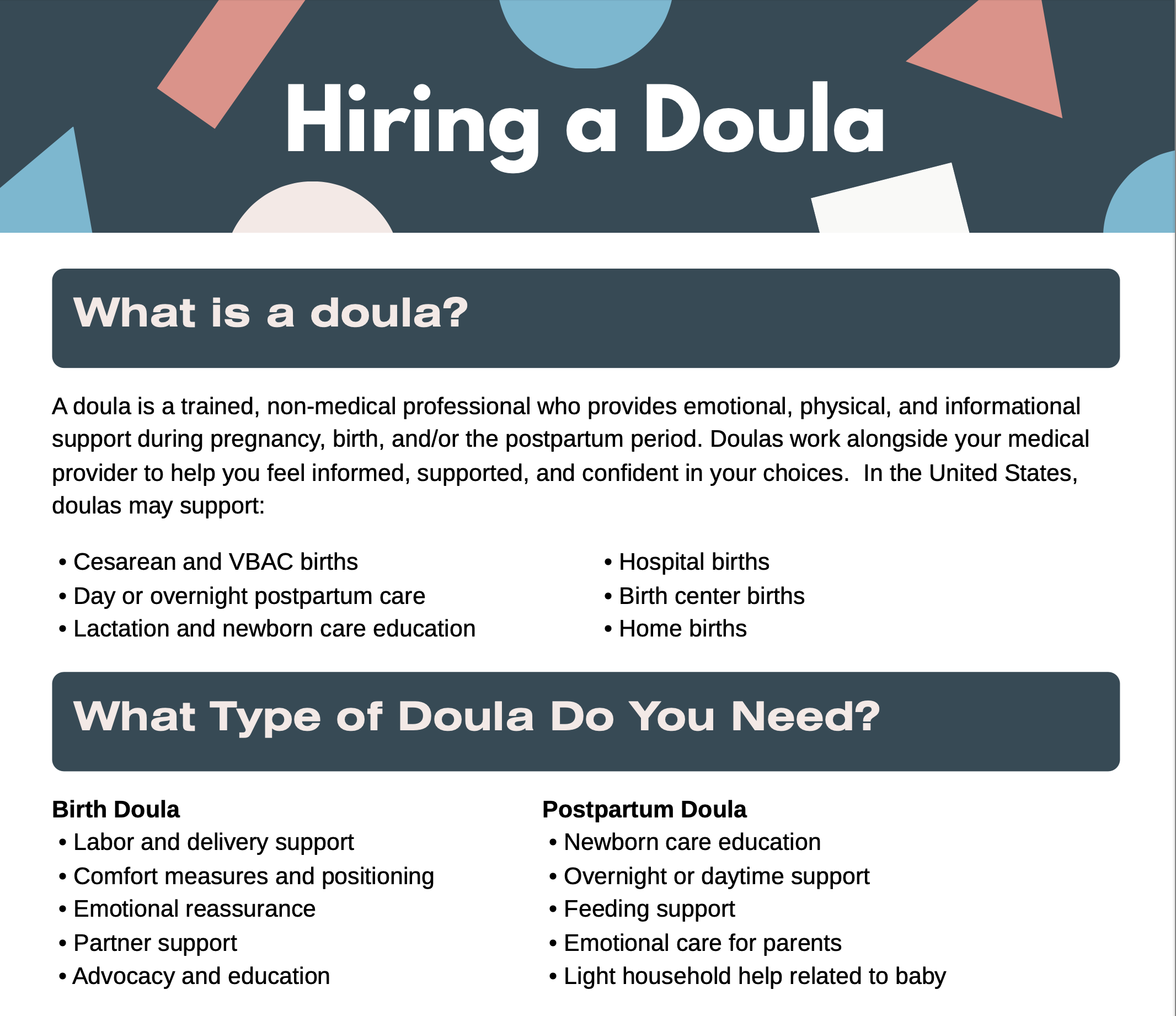
A birth doula is a trained professional who provides continuous emotional, physical, and informational support during pregnancy, labor, and birth. Unlike doctors or midwives, doulas do not perform medical procedures or make clinical decisions. Their role is to support the birthing person and their partner throughout the labor and birth experience.
A birth doula in Honolulu helps families prepare by discussing birth preferences, common interventions, and coping strategies for labor. During birth, the doula offers comfort measures such as breathing guidance, movement and positioning, physical reassurance, and emotional encouragement. They also help families understand what is happening during labor and support communication with medical staff.
Studies consistently show that continuous labor support improves satisfaction with birth and can reduce feelings of fear and overwhelm. More importantly, families often describe feeling calmer, more prepared, and more grounded when a doula is present.
What Is a Postpartum Doula?
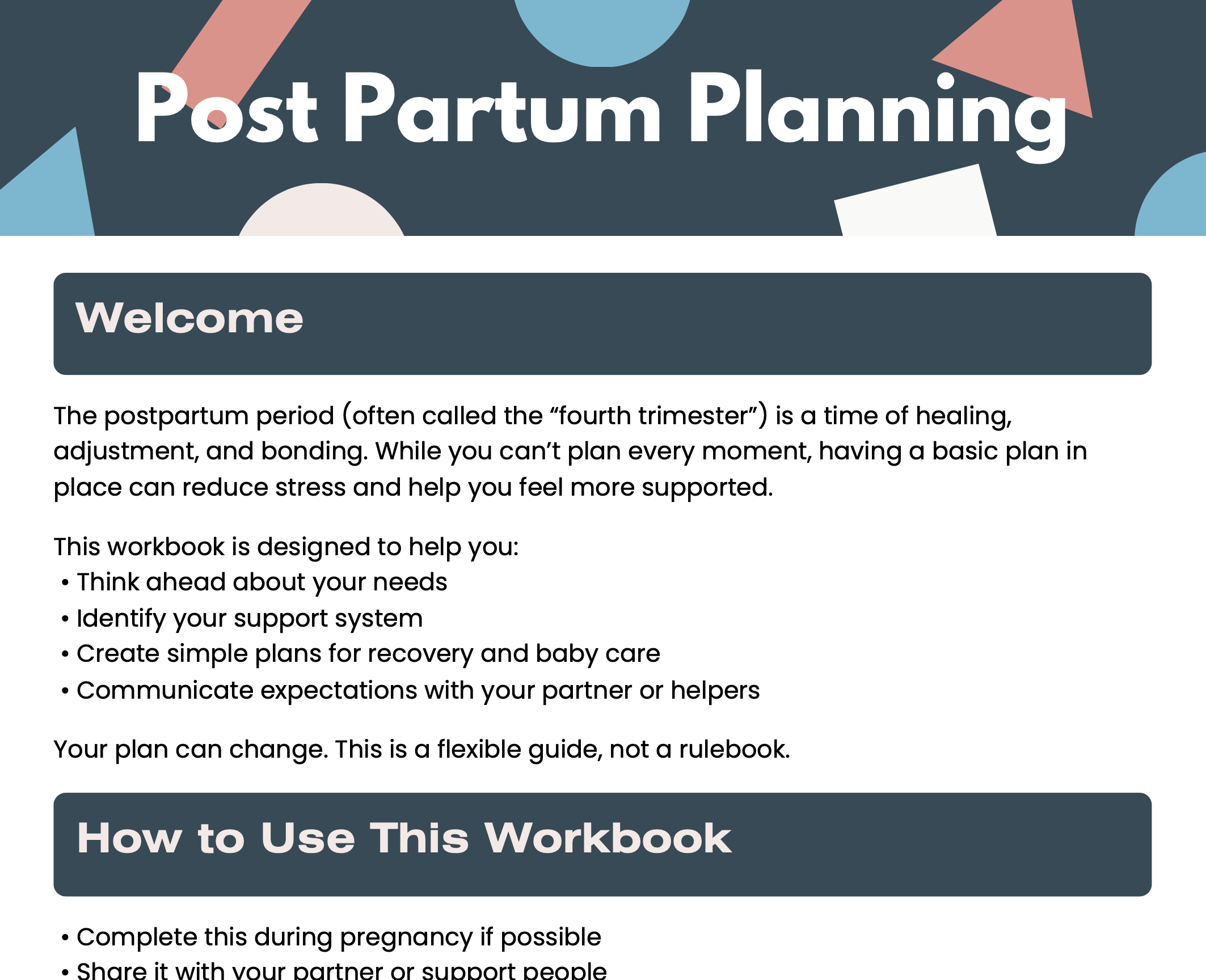
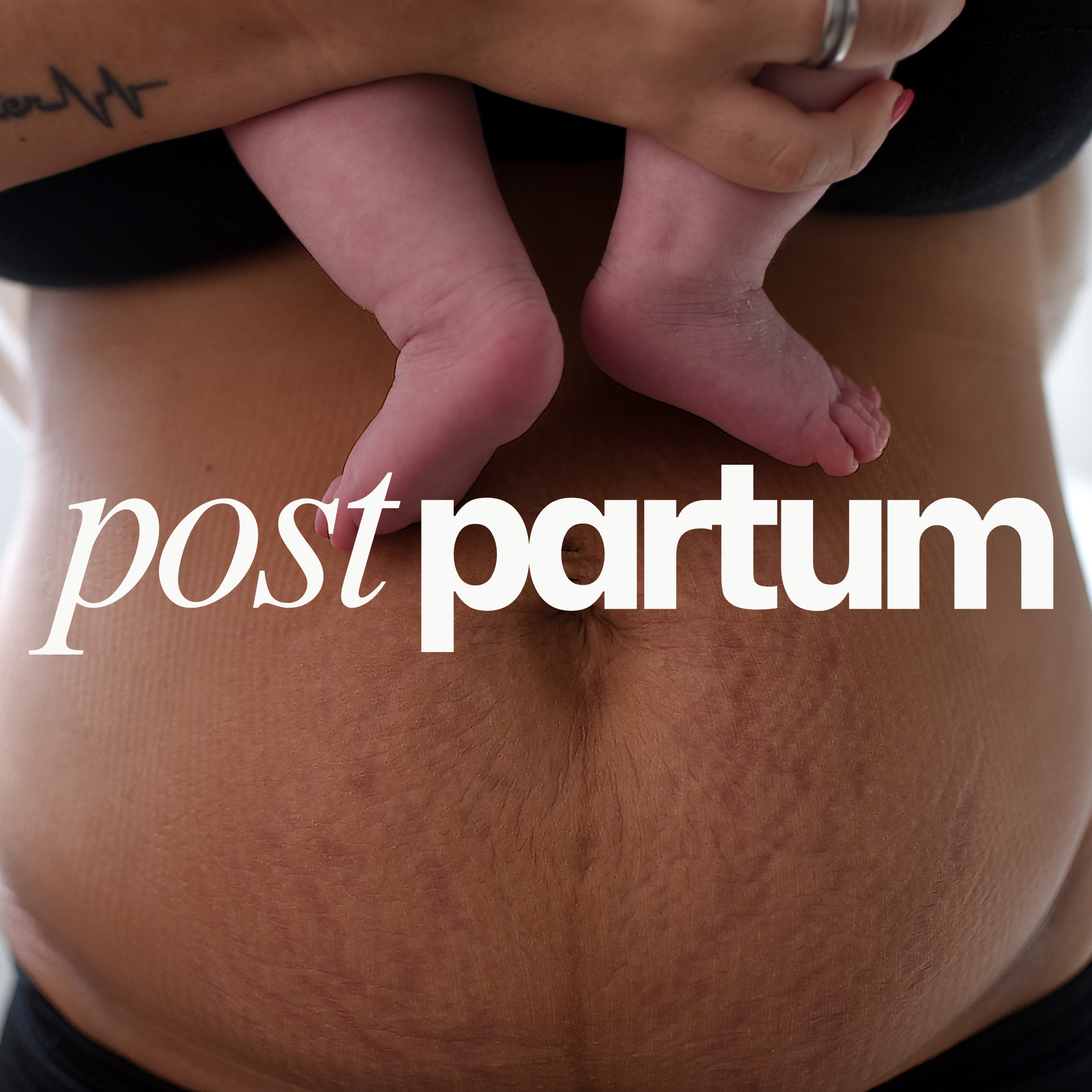
A postpartum doula supports families after birth as they recover and adjust to life with a newborn. The postpartum period, often called the “fourth trimester,” involves physical healing, hormonal shifts, emotional vulnerability, and significant lifestyle changes.
A postpartum doula in Honolulu may help with:
Newborn care education
Infant feeding support
Emotional reassurance
Sleep guidance
Light baby-related household support
Partner and sibling adjustment
Processing the birth experience
Postpartum doula care is not medical care. Instead, it provides consistent presence, education, and emotional support so families feel less alone and more confident in their new role.
Why Families in Honolulu Choose Doula Support
Families on Oʻahu seek doula support for many reasons. Some want additional guidance during pregnancy. Others are recovering from previous birth experiences that felt stressful or frightening. Many families simply want someone whose role is to focus entirely on their emotional wellbeing and practical needs.
Living on an island can intensify the postpartum transition. Some families are far from extended relatives. Others juggle demanding work schedules, military life, or cultural expectations around caregiving. A Honolulu birth doula and postpartum doula provides continuity and support during a time when everything feels new and uncertain.
Hospital systems can feel fast-paced and clinical. A doula offers time, attention, and individualized care that can be difficult to find within standard medical appointments.
Birth Settings in Honolulu and Across Oʻahu
Families in Honolulu give birth in a variety of settings, including large hospitals, smaller community hospitals, birth centers, and home birth environments. A birth doula adapts support to each setting while respecting hospital policies and family preferences.
In hospital births, doulas help families navigate medical systems that can feel overwhelming. They provide emotional grounding, explain procedures in accessible language, and help families feel more prepared for decision-making.
In birth center and home birth settings, doulas focus on physiological labor support, comfort techniques, and emotional reassurance while working alongside midwives and nurses.
No matter where you give birth, a birth doula’s role remains the same: continuous support centered on emotional safety and informed choice.
Postpartum Care and the Fourth Trimester
The postpartum period is often more intense than families expect. Physical recovery, feeding questions, sleep deprivation, and emotional vulnerability converge at once. A postpartum doula helps families feel supported through this transition.
Postpartum doulas in Honolulu assist families in understanding normal newborn behavior, easing anxiety around feeding and sleep. They provide guidance for families who are breastfeeding, formula feeding, pumping, or combination feeding. They also offer reassurance when exhaustion or self-doubt arises.
For families who experienced difficult or traumatic births, postpartum doula care provides space to process emotions without pressure or judgment.
Trauma-Informed Doula Care
Our Honolulu doula services are grounded in trauma-informed care. This approach recognizes that pregnancy and birth can activate fear, stress, or past experiences of medical trauma or loss.
Trauma-informed doula care prioritizes:
Choice and consent
Clear communication
Emotional safety
Respect for boundaries
Collaborative decision-making
Rather than directing families, doulas support informed choice. This helps reduce shame and pressure while building trust and confidence.
Who Benefits from a Birth or Postpartum Doula?
Doula care benefits families in many situations, including:
First-time parents
Families recovering from difficult births
Parents without nearby family support
Families navigating feeding challenges
Those with anxiety around birth
Families welcoming multiples
Parents experiencing postpartum mood changes
Partners and non-birthing parents also benefit from doula care. Doulas help partners understand what to expect and how to provide meaningful support during labor and recovery.
Cultural Humility and Family-Centered Care
Honolulu is home to families from many cultural, linguistic, and spiritual traditions. Doula care must be responsive to this diversity and grounded in cultural humility.
A culturally responsive birth doula and postpartum doula listens first and adapts care rather than assuming one model fits all families. This includes honoring family rituals, postpartum traditions, and infant care practices while offering evidence-based guidance.
For families who have felt marginalized or dismissed in medical settings, doula care can feel especially meaningful because it centers listening and respect.
How Doulas Work with Medical Providers
Doulas do not replace doctors, nurses, or midwives. They work alongside medical providers to support families emotionally and informationally.
A birth doula helps families prepare questions for prenatal visits and understand medical recommendations during labor. A postpartum doula supports families between pediatrician appointments and helps identify when medical follow-up is needed.
This collaborative role strengthens the overall care team and improves communication.
Emotional Health and Postpartum Adjustment
Postpartum mood and anxiety disorders affect many families. While doulas do not provide therapy, they help normalize emotional changes and encourage families to seek professional support when needed.
A postpartum doula can help families distinguish between normal adjustment and signs of postpartum depression or anxiety. They also provide referrals to mental health providers when appropriate.
Because doulas spend extended time with families, they often notice emotional shifts that might not surface during brief medical visits.
The Lasting Impact of Doula Support
Families who work with birth doulas and postpartum doulas often report:
Greater confidence in infant care
Less isolation
Improved communication with partners
Greater satisfaction with birth
Stronger emotional recovery
These benefits extend beyond the newborn period. Early support influences how families approach stress, self-care, and parenting long-term.
Doula care is not about dependency. It is about empowering families with knowledge, support, and confidence.
Choosing a Birth or Postpartum Doula in Honolulu
When selecting a doula, families should consider training, experience, and personal connection. It is important to feel comfortable asking questions and expressing concerns.
Helpful questions include:
What training and experience do you have?
How do you support feeding goals?
What is your availability?
How do you work with hospital staff?
What is your approach to birth and postpartum care?
A strong doula relationship is built on trust and mutual respect.
Cost and Accessibility of Doula Care in Honolulu
The cost of birth and postpartum doula services in Honolulu varies depending on experience and services offered. Some doulas offer sliding scale fees or payment plans.
Insurance coverage for doula services remains limited, though some families use health savings accounts or flexible spending accounts. Community programs and nonprofit organizations may offer reduced-cost doula support.
Families are encouraged to ask about options and resources when exploring care.
Why Demand for Doulas in Honolulu Is Growing
As awareness of maternal mental health and birth trauma increases, families are seeking care that addresses emotional and physical wellbeing. Birth doulas and postpartum doulas fill an important gap in traditional healthcare.
In Honolulu, where families balance work, military life, and extended family obligations, doula care provides stability and continuity during a major life transition. The growing demand reflects a shift toward recognizing postpartum support as essential, not optional.
Birth and Postpartum Doula Services in Honolulu
We provide birth doula and postpartum doula services throughout Honolulu and surrounding communities on Oʻahu. Our care adapts to your location, birth setting, and family structure.
Whether you are preparing for birth or already home with your baby, we meet families where they are with thoughtful, respectful, and evidence-based care.
Begin Your Journey with a Honolulu Birth or Postpartum Doula
If you are searching for a trusted birth doula in Honolulu or a compassionate postpartum doula on Oʻahu, Connecticut Doulas is here to support you. We offer individualized, trauma-informed care through pregnancy, birth, and the early weeks of parenthood.
Choosing a doula is about building a circle of care around your family during a time of profound change.
We would be honored to support you on this journey.
The Definitive Guide to Using Your Carrot Fertility Benefits for Doula Care in Honolulu
If you’re pregnant or newly postpartum in Honolulu, you already know that building your support system can feel complicated — especially if you don’t have extended family nearby or if you’re far from your home community. Add in the high cost of living in Hawaiʻi, and doula care can feel financially out of reach even when you know it would make a meaningful difference.
What many families don’t realize is that employer fertility benefits may help cover doula services. In particular, Carrot Fertility benefits are increasingly being used to reimburse families for birth and postpartum doulas — yet very few people in Hawaiʻi know this is an option.
This guide will walk you through:
✔ What Carrot Fertility is and how it works
✔ Whether Carrot covers doulas in Honolulu
✔ Step-by-step how to use your benefits
✔ How reimbursement works for birth vs postpartum care
✔ Common pitfalls (and how to avoid them)
✔ How to maximize your benefits in Hawaiʻi
Whether you’re searching:
“Does Carrot Fertility cover doulas in Honolulu?”
“Doula coverage with Carrot benefits Hawaii”
“How to get reimbursed for postpartum doula services”
…this guide is designed to give you clear, practical answers.
What Is Carrot Fertility?
Carrot Fertility is an employer-sponsored benefit platform that provides financial support for reproductive and family-building care. It’s commonly offered by large employers, tech companies, healthcare systems, and universities as part of modern benefits packages.
Carrot can be used for:
IVF and fertility treatment
Egg and sperm freezing
Adoption and surrogacy
Prenatal and postpartum care
Lactation services
Mental health support
Doula care (on many plans)
Carrot usually operates on a reimbursement model, meaning:
You pay your provider directly.
You submit documentation to Carrot.
You receive reimbursement according to your plan rules.
Some employers also allow direct payments, but reimbursement is the most common structure.
Does Carrot Fertility Cover Doulas in Honolulu?
In many cases, yes — Carrot benefits can reimburse doula services, including:
Birth doulas
Postpartum doulas
Sometimes sibling doulas
Sometimes lactation support
Coverage depends on:
Your employer’s specific plan
Your available Carrot balance
How the service is categorized (prenatal, labor, postpartum)
There is no single universal Carrot policy. Each employer defines coverage differently, which is why some families get full reimbursement while others receive partial reimbursement.
Doula services are often reimbursed under categories such as:
Pregnancy support
Labor and delivery support
Prenatal education
Postpartum recovery services
If you live in Honolulu and your employer offers Carrot, there is a strong chance your doula care can be at least partially reimbursed.
Why This Matters for Families in Honolulu
In Hawaiʻi, access to doula care is growing — but insurance coverage remains limited and inconsistent. Many families rely on private pay, which can be difficult given:
High housing costs
Limited family leave
Geographic isolation from extended family
Fewer in-home support options
This leaves many families choosing between:
Paying fully out of pocket
Skipping doula care
Using employer benefits like Carrot
For families in Honolulu, Carrot benefits can be the bridge between wanting support and actually being able to afford it.
This is especially important for:
Military families stationed in Hawaiʻi
Families far from relatives
First-time parents
Parents with prior birth trauma
Families recovering from medical complications
Families planning VBAC or physiologic birth
Step-by-Step: How to Use Carrot Fertility for Doula Care
Here’s how most families successfully use their Carrot benefits for doula services in Honolulu.
Step 1: Log Into Your Carrot Account
Start by logging into your Carrot Fertility dashboard. Look for:
Covered services
Remaining balance
Reimbursement categories
Search for:
“doula”
“labor support”
“prenatal care”
“postpartum care”
If you don’t see “doula” listed, don’t assume it’s not covered. Many plans reimburse doula services under broader categories.
Step 2: Confirm Coverage (Optional but Helpful)
You can message Carrot support directly and ask:
“Does my plan reimburse for birth or postpartum doula services in Honolulu, Hawaiʻi?”
This gives you:
✔ Written confirmation
✔ Guidance on categories
✔ Documentation support
✔ Clear expectations
Having this message on file can help if your claim is delayed or flagged later.
Step 3: Choose a Doula Who Can Provide Proper Documentation
Carrot usually requires:
An invoice
Description of services
Dates of service
Proof of payment
Your doula should be able to provide:
✔ Itemized invoice
✔ Service type clearly labeled
✔ Payment receipt
✔ Provider contact information
Incomplete invoices are the most common reason reimbursement is delayed.
Step 4: Pay Your Doula
Most families:
Pay a deposit when booking
Pay the remaining balance before or shortly after birth
Carrot almost always reimburses after payment is made.
Step 5: Submit Your Claim
Upload:
Invoice
Proof of payment
Any required service notes
Choose the most accurate category:
Pregnancy support
Labor support
Postpartum care
Claims are typically processed in:
1–3 weeks
Sometimes faster
Occasionally longer if more documentation is requested
How Reimbursement Works for Birth vs Postpartum Doulas
Birth Doula Reimbursement
Birth doula services often include:
Prenatal visits
Labor and birth support
Early postpartum check-in
These may be reimbursed under:
Pregnancy support
Labor support
Prenatal education
Some plans reimburse:
✔ The full package
✔ A portion of the package
✔ Only labor support
✔ Only prenatal visits
It depends on:
Employer rules
Benefit balance
How the services are categorized
Postpartum Doula Reimbursement
Postpartum doula services often include:
Infant feeding support
Newborn care
Emotional support
Light household help
Recovery education
These are often reimbursed under:
Postpartum care
Recovery services
Lactation support
Wellness benefits
Many families in Honolulu use Carrot for:
✔ Daytime postpartum care
✔ Overnight newborn support
✔ Short-term recovery care
✔ Trauma-informed postpartum support
Common Pitfalls (and How to Avoid Them)
❌ Pitfall #1: Waiting Until After Services Are Completed
Solution: Confirm your plan before your due date.
❌ Pitfall #2: Poorly Written Invoices
Solution: Make sure invoices clearly state:
“Birth doula services” or “postpartum doula services”
Dates of service
Provider name
Payment confirmation
❌ Pitfall #3: Choosing the Wrong Category
Solution: Use:
Pregnancy support
Labor support
Postpartum care
Avoid unrelated categories like “medical care” unless instructed.
❌ Pitfall #4: Assuming Insurance and Carrot Are the Same
Solution: Carrot is separate from your health insurance. Even if insurance doesn’t cover doulas, Carrot often will.
Carrot vs Medicaid or Private Insurance in Hawaiʻi
Traditional insurance coverage for doulas in Hawaiʻi remains limited, though community-based programs and pilot initiatives are growing.
Carrot differs because:
✔ It reimburses non-medical care
✔ It does not require diagnosis codes
✔ It allows flexible provider choice
✔ It recognizes emotional and practical support
This makes Carrot ideal for:
Trauma-informed care
Preventative birth support
Families seeking continuity of care
Parents who want non-medical labor support
Why This Is a High-Value Search Topic
When someone searches:
“Carrot Fertility doulas Honolulu”
“doula reimbursement Hawaii”
“insurance coverage doula”
They are:
✔ Already pregnant
✔ Actively planning support
✔ Cost-conscious
✔ Likely to book services
These are high-intent searches, meaning:
Lower competition
Higher conversion potential
Strong local SEO value
How to Maximize Your Carrot Benefits
✔ Use benefits for both birth and postpartum
✔ Combine doula care with lactation support
✔ Prioritize services not covered by insurance
✔ Submit paperwork quickly
✔ Keep digital copies of all receipts
Some families use Carrot to:
Fully cover birth doula services
Partially cover postpartum support
Offset several weeks of in-home care
Example Scenario (Hypothetical)
A Honolulu family with:
$5,000 in Carrot benefits
A $2,500 birth doula package
$2,500 postpartum care
They:
Pay their doula
Submit invoices
Receive reimbursement
Receive support without draining savings
Why Choose a Doula Familiar With Carrot?
A doula who understands employer benefits can help with:
✔ Proper invoice wording
✔ Strategic service labeling
✔ Faster reimbursements
✔ Fewer claim rejections
✔ Less stress for families
It also means:
Documentation prepared ahead of time
Fewer follow-up emails
Clear expectations
Smoother experience overall
Frequently Asked Questions
Does Carrot pay the doula directly?
Usually no — you pay first and are reimbursed.
Can Carrot cover both birth and postpartum care?
Often yes, depending on your benefit balance.
Is there a limit?
Yes, set by your employer plan.
Can I use Carrot with any doula?
Generally yes, if documentation is provided.
Does the doula need certification?
Typically no, but service description matters.
Final Thoughts
Doula care improves emotional wellbeing, birth outcomes, and postpartum recovery — yet cost prevents many families in Hawaiʻi from accessing support. Carrot Fertility benefits can change that reality.
If your employer offers Carrot, you may already have funding available for:
✔ Birth support
✔ Postpartum care
✔ Trauma-informed services
✔ Recovery assistance
Understanding how to use your benefits makes professional support far more accessible — especially in a place where family networks may be far away.