

Heading to the hospital or birthing center in Rhode Island can feel exciting, overwhelming, and nerve-wracking all at once. Between deciding on a birth plan, arranging childcare for older children, and packing your hospital bag, it’s easy to feel unprepared. A well-planned hospital bag can help you focus on the birth experience rather than scrambling for forgotten items.
Whether you are planning a birth in Providence, Warwick, or Newport, this guide walks you through what to pack for labor, delivery, and postpartum comfort. It also includes optional items to make your stay more enjoyable and supportive, whether you are delivering at a hospital like Rhode Island Hospital, Women & Infants Hospital, or Kent Hospital.
Why a Hospital Bag Checklist Matters
Packing a hospital bag ahead of time reduces stress and ensures you have everything you need for labor, delivery, and the first few days postpartum. Being prepared allows you to focus on what matters most: bonding with your baby, recovery, and adjusting to life as a parent.
Many families find that having a checklist helps them avoid common oversights, like forgetting snacks, chargers, or important paperwork. It also ensures that your support partner has what they need to assist you efficiently during labor and after birth.
Essentials for Mom
Labor Comfort Items
During labor, comfort and support are key. Consider packing:
Comfortable clothing: A loose robe, nursing-friendly tops, or a long button-up shirt for labor and postpartum.
Socks or slippers: Hospitals can feel chilly, and warm feet can make a difference in comfort.
Pillows: Some parents prefer their own pillow for support during labor or recovery.
Massage tools: Tennis ball or handheld massager for counterpressure during contractions.
Water bottle: Staying hydrated is crucial during labor.
These items help make your hospital stay more comfortable and can support relaxation during contractions.
Personal Care Items
Hospital stays are often longer than anticipated. Bringing personal items helps you feel more like yourself and supports recovery:
Toothbrush and toothpaste
Hair ties, comb or brush
Lip balm
Deodorant
Face wipes or moisturizer
Glasses or contact lenses with solution
Lightweight pajamas or nightgown
Items for Birth Support
If you have a birth partner or doula, consider packing items that support their role:
Snacks and drinks
Extra clothes
Phone charger and battery pack
Notebook to track contractions or birth preferences
In Rhode Island hospitals, support partners are welcome in the room, but being prepared with their own comfort items allows them to focus on you.
Clothing and Essentials for Baby
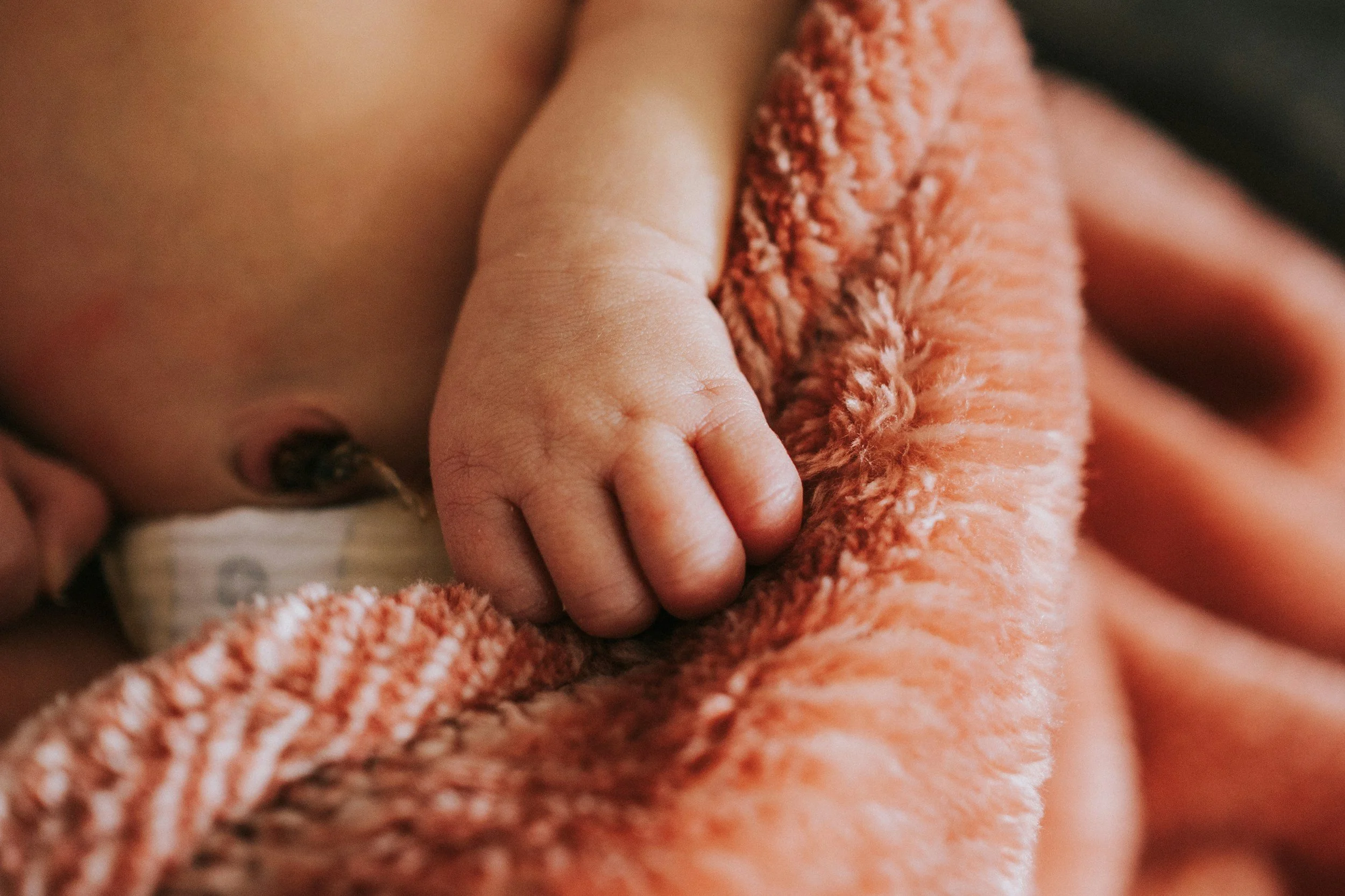
Packing a hospital bag isn’t just about mom — baby needs essentials too:
Onesies (2–3)
Sleepers or swaddles
Socks and mittens
Hat for warmth
Going-home outfit
Baby blanket
Diapers and wipes (though most hospitals provide these, you may prefer your own)
For families delivering in colder months, consider adding an extra layer, such as a fleece bunting or blanket.
Feeding and Nursing Supplies
For those planning to breastfeed, packing these items can make the first hours and days easier:
Nursing bras or tank tops
Breast pads
Nipple cream
Nursing pillow (optional, but helpful for positioning)
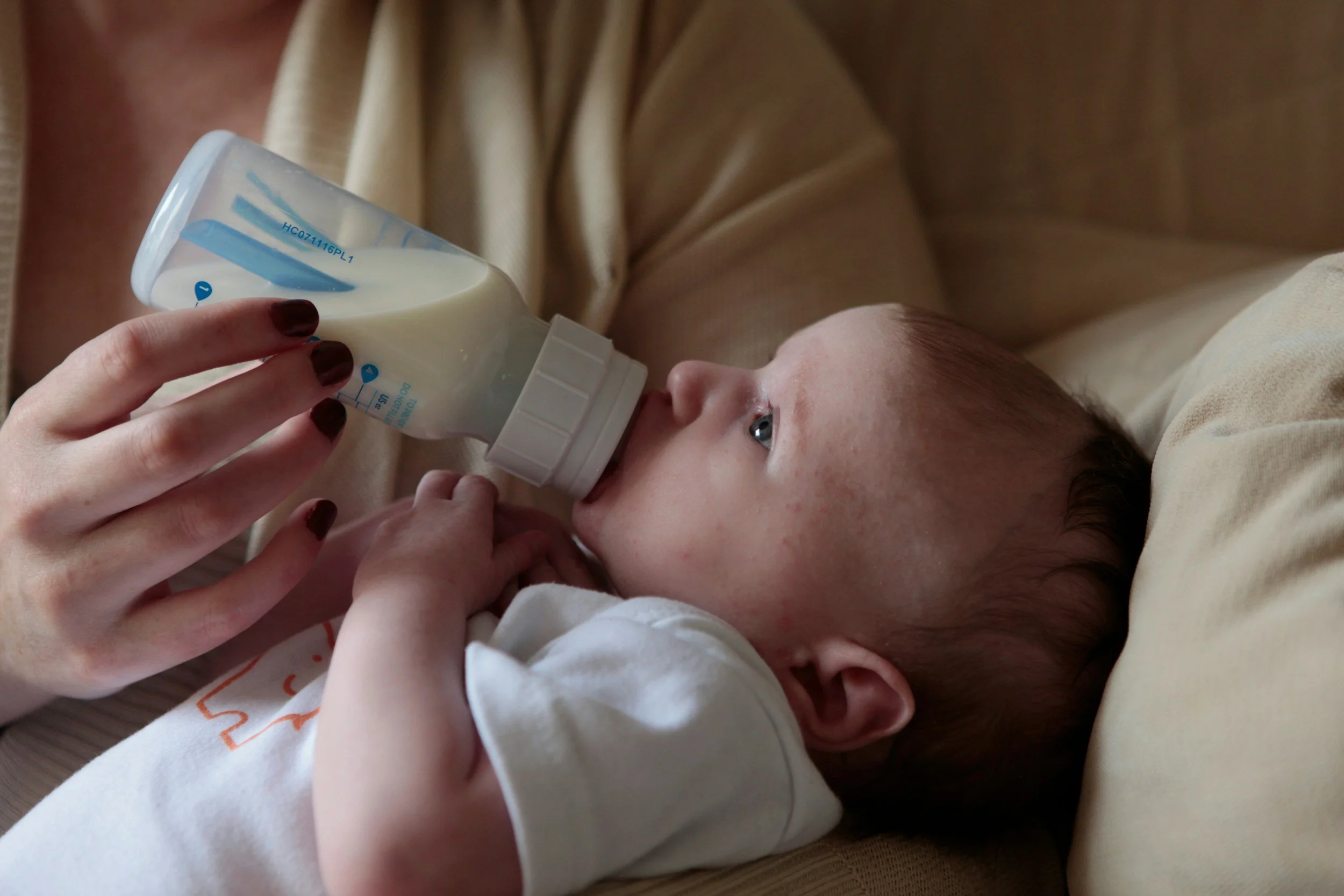
Even if you plan to formula-feed, bringing bottles, formula, and burp cloths ensures you’re prepared. Many parents appreciate having both options on hand in the first 24–48 hours postpartum.

Documents and Important Papers
Hospitals require paperwork, so be sure to pack:
Photo ID
Insurance card
Birth plan (if you have one)
Pediatrician contact info
Any hospital pre-registration forms
Having these documents ready can help streamline admission and reduce stress on the day of your birth.
Optional Comfort and Entertainment Items
Long hospital stays can feel monotonous. These optional items can make your experience more enjoyable:
Music playlist and headphones
Books, magazines, or tablet
Eye mask or earplugs for sleep
Essential oils (check with hospital policy)
Snacks for parents and support partners

Postpartum Recovery Essentials
After delivery, your comfort is just as important as during labor. Consider packing:
Comfortable, loose clothing for walking and recovery
High-waisted underwear or mesh hospital underwear
Heavy-duty maternity pads
Peri bottle (often provided by hospitals, but having your own is convenient)
Ice packs or perineal spray (if needed)
Many Rhode Island hospitals provide basic postpartum supplies, but having your own ensures you have exactly what makes you comfortable.
Tips for Packing Your Hospital Bag
Pack early: Aim for at least 34 weeks of pregnancy so you’re ready for early labor.
Use separate bags: Consider one for mom, one for baby, and one for your partner.
Think in layers: Hospitals can be cold, so pack versatile clothing.
Label items: Marking your items can prevent confusion in busy labor wards.
Freeze meals/snacks: For your partner or yourself, pre-packaged snacks can be lifesavers.
Doula’s Note
A hospital bag checklist can significantly reduce stress during labor and postpartum. Remember that comfort, hydration, and accessibility of essential items are key. Rotate and adjust items based on season, hospital amenities, and your personal preferences. A prepared bag allows you to focus on welcoming your baby without worrying about what you forgot.
For families in Rhode Island, especially those delivering in hospitals like Women & Infants Hospital in Providence, having a hospital bag ready ensures you’re fully equipped for the labor, birth, and recovery process.

FAQ: Hospital Bag Packing in Rhode Island
Q: When should I pack my hospital bag?
A: Aim for 34 weeks, or earlier if you have a history of preterm labor.
Q: Do I need to bring my own diapers and wipes?
A: Hospitals provide these, but many parents prefer their own for comfort and brand preference.
Q: Can my partner stay overnight in the hospital?
A: Most Rhode Island hospitals allow one support person to stay overnight; check policies for specific facilities.
Q: Should I include snacks?
A: Yes, pack nutritious snacks for both you and your support partner, especially if hospital food options are limited.
Q: Is a birth plan necessary?
A: While optional, a birth plan helps communicate your preferences to the hospital staff and ensures your wishes are considered.
A well-packed hospital bag is one of the best ways to feel prepared for the unpredictable and beautiful experience of childbirth. By organizing essentials for mom, baby, and your support team, you can focus on bonding, recovery, and the first moments with your newborn without unnecessary stress.
