

The first trimester of pregnancy can feel like stepping into unfamiliar territory—often with very little warning. For many people, the earliest weeks of pregnancy come with intense physical changes, emotional shifts, and a lot of questions.
If you’re wondering whether what you’re feeling is normal, you’re not alone. Understanding first trimester symptoms—and knowing when to call your provider—can bring reassurance and help you feel more confident navigating early pregnancy.
This guide breaks down common first trimester symptoms, what’s typically considered normal, and signs that warrant medical attention.
What Is the First Trimester?
The first trimester spans from week 1 through week 12 of pregnancy. During this time, your body undergoes rapid hormonal changes as it supports early fetal development.
While symptoms vary widely, many people find the first trimester to be the most physically challenging part of pregnancy—even before showing any outward signs.

Common First Trimester Symptoms (That Are Usually Normal)
1. Fatigue
Extreme tiredness is one of the most common early pregnancy symptoms.
Why it happens:
Rising progesterone levels
Increased blood production
Metabolic changes
It’s normal to feel exhausted—even after a full night’s sleep. Resting when possible and adjusting expectations can help.
2. Nausea and Vomiting
Often referred to as “morning sickness,” nausea can occur at any time of day.
Normal patterns include:
Mild to moderate nausea
Vomiting once or twice a day
Symptoms peaking around weeks 8–10
While unpleasant, this is usually a sign of healthy hormonal changes.
3. Breast Tenderness and Changes
Many people notice breast soreness early in pregnancy.
You may experience:
Tender or swollen breasts
Darkening of the areolas
Increased sensitivity
These changes are caused by hormonal shifts preparing the body for lactation.
4. Frequent Urination
Needing to urinate more often is common in early pregnancy due to:
Increased blood flow to the kidneys
Hormonal effects on bladder sensitivity
This typically improves in the second trimester.
5. Cramping
Mild uterine cramping can be normal in the first trimester as the uterus begins to grow.
Normal cramping:
Mild, intermittent
Not worsening over time
Not accompanied by heavy bleeding
Always trust your instincts if something feels off.
6. Spotting or Light Bleeding
Light spotting can occur in early pregnancy and is often related to:
Implantation
Cervical sensitivity
Spotting that is light and short-lived is often normal, but it’s always appropriate to mention it to your provider.
7. Emotional Changes
Hormonal shifts combined with life changes can affect emotions.
You might notice:
Mood swings
Increased anxiety
Heightened sensitivity
Emotional changes in the first trimester are common and valid.
8. Food Aversions and Cravings
Sudden changes in taste or appetite are typical.
This may include:
Strong aversions to certain smells or foods
Preference for bland or specific foods
Eating what feels tolerable is often the best approach early on.
9. Bloating and Constipation
Digestive changes are common due to slowed gut motility.
Staying hydrated, moving gently, and increasing fiber when possible can help.
10. Headaches
Hormonal shifts, dehydration, and fatigue can all contribute to headaches in early pregnancy.
Most mild headaches are normal, but persistent or severe headaches should be evaluated.

When to Call Your Provider in the First Trimester
While many first trimester symptoms are normal, some signs should prompt a call to your provider.
Call your provider if you experience:
Heavy bleeding (soaking a pad in an hour)
Severe or one-sided abdominal pain
Persistent vomiting preventing fluid intake
High fever (over 100.4°F / 38°C)
Severe dizziness or fainting
Painful urination or signs of infection
It’s always appropriate to call—even if you’re unsure. Providers expect questions during early pregnancy.
Hyperemesis Gravidarum: When Nausea Isn’t Normal
While nausea is common, hyperemesis gravidarum (HG) is not.
Signs of HG include:
Inability to keep food or fluids down
Weight loss
Dehydration
Frequent vomiting
If you suspect HG, early treatment is important.
Mental Health Symptoms Matter Too
First trimester mental health is just as important as physical health.
Reach out to your provider if you experience:
Persistent anxiety or panic
Feelings of hopelessness
Intrusive or distressing thoughts
Early mental health support can make a significant difference.

What If Your Symptoms Don’t Match Others?
Pregnancy symptoms vary widely. Some people feel intense symptoms early on; others feel very little.
Both can be normal.
Comparing yourself to others—or online symptom lists—often increases anxiety. Your experience is valid even if it looks different.

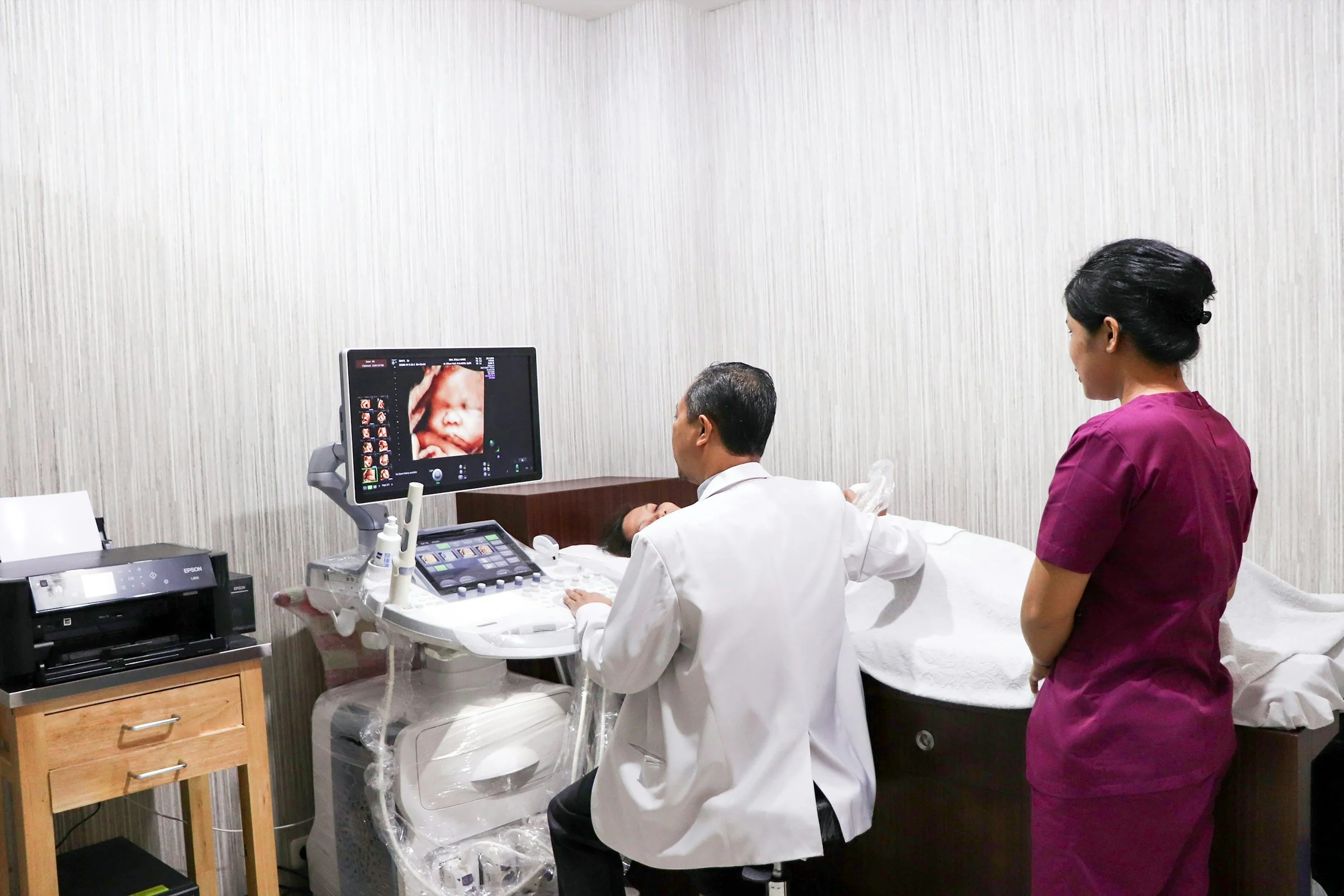
How Prenatal Care Supports Early Pregnancy
Your first prenatal visits are designed to:
Confirm pregnancy
Review medical history
Address symptoms and concerns
Establish ongoing care
You deserve care that listens to your concerns and explains what’s happening in your body.

Supporting Yourself Through the First Trimester
Helpful strategies include:
Resting when possible
Eating small, frequent meals
Staying hydrated
Seeking education and support
First trimester pregnancy can feel isolating, especially before sharing the news. Community—virtual or in person—can be incredibly grounding.

Trust Your Body and Your Instincts
Knowing what’s normal in the first trimester helps reduce fear—but no guide replaces your intuition.
If something feels wrong, you are never overreacting by reaching out.
Early pregnancy is a time of immense change. Support, reassurance, and clear information matter.
