

When new parents in Hawaiʻi begin searching for newborn help, one of the most common phrases they type into Google is baby nurse. Families in Oʻahu and surrounding areas often look for baby nurse in Honolulu, Honolulu baby nurse, or simply baby nurse when they need support with feeding, sleep, and newborn care. While these terms are widely used, a baby nurse and a postpartum doula are not the same role, even though many people use the titles interchangeably.
Understanding the difference between a baby nurse and a postpartum doula can help Honolulu families make informed, safe, and empowering choices during the postpartum period. This guide explains what each role truly involves, how they differ, and what families in Honolulu should consider when hiring newborn support.
What Is a Baby Nurse?
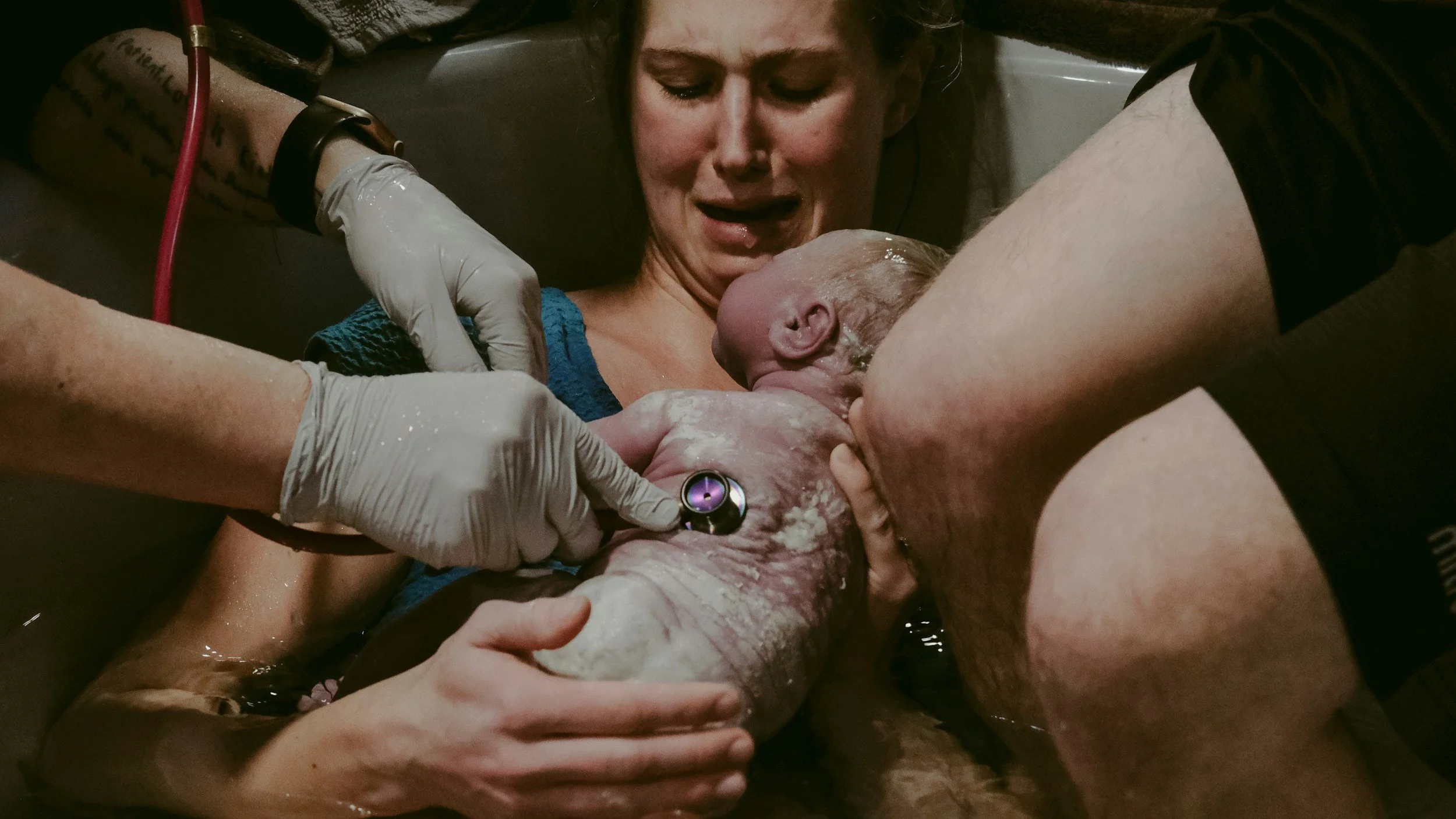
The term baby nurse is not a regulated job title in Hawaiʻi. There is no state-issued license that designates someone as a baby nurse. Historically, the term has been used to describe caregivers who provide hands-on newborn care, especially overnight.
A baby nurse typically focuses on the baby’s physical needs, such as:
• Feeding the baby (bottle-feeding or bringing baby to parent for breastfeeding)
• Diaper changes
• Soothing and settling the baby
• Monitoring sleep patterns
• Light baby-related housekeeping (washing bottles, baby laundry)
Many families searching for a baby nurse in Honolulu are specifically seeking overnight support so they can rest and recover. In practice, most baby nurses function similarly to a night nanny who specializes in newborns.
Because the title is unregulated, experience and education vary widely. Some Honolulu baby nurses are former nannies or childcare providers with newborn experience. Others may have medical backgrounds, but many do not. Families should always ask about training, certifications, and references before hiring.
What Is a Postpartum Doula?
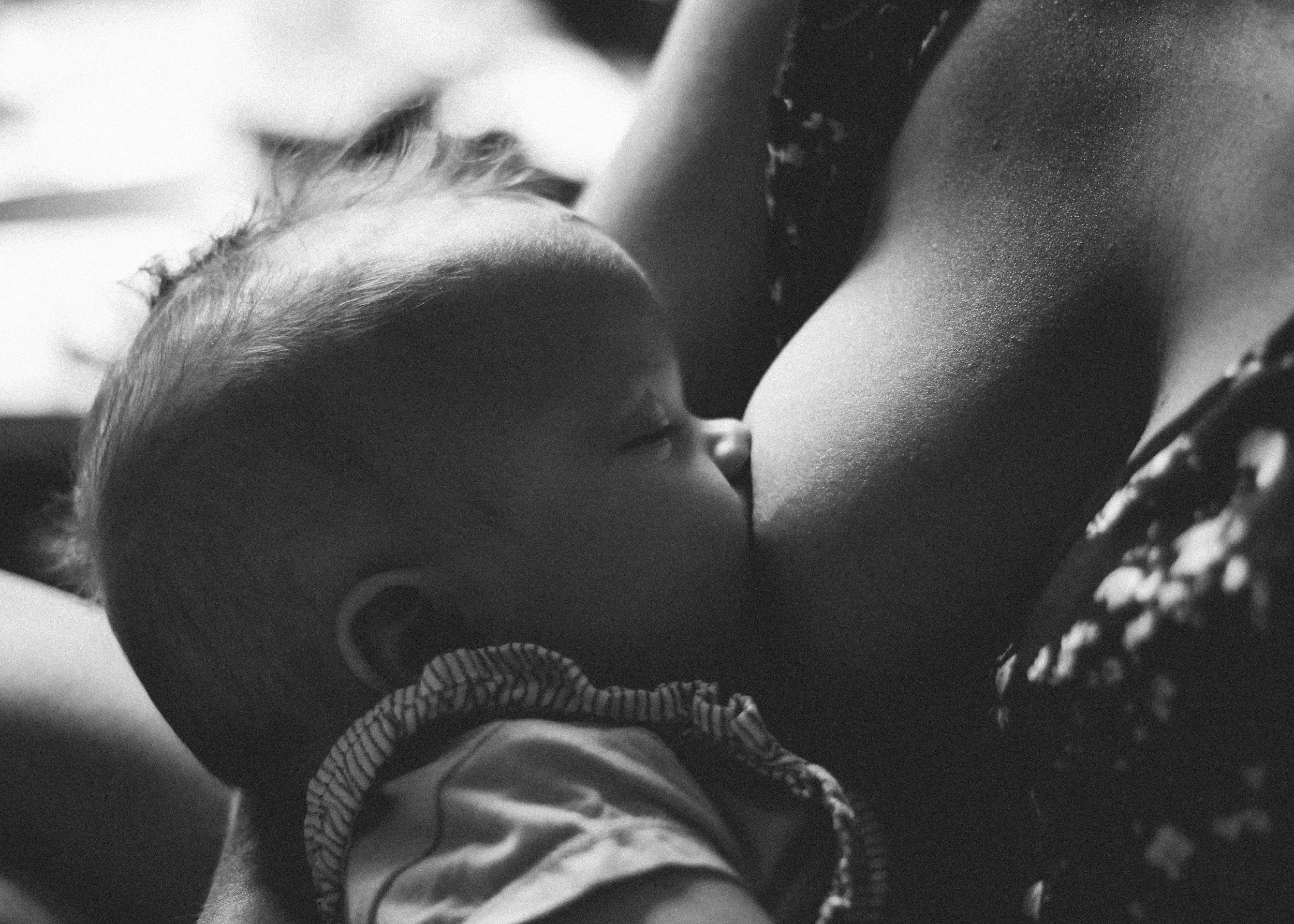
A postpartum doula is a trained non-medical professional who supports the entire family system after birth — not only the baby, but also the birthing parent and household. Postpartum doulas receive education in newborn care, infant feeding, emotional recovery, and family adjustment.
Postpartum doula services often include:
• Newborn care and soothing
• Breastfeeding or bottle-feeding support
• Education about infant cues and development
• Emotional support for parents
• Light household help (meals, laundry, tidying)
• Support with postpartum recovery
• Guidance as families adjust to life with a newborn
Unlike the title baby nurse, postpartum doula training is structured and standardized through certifying organizations. Many postpartum doulas in Honolulu also pursue continuing education in lactation support, infant sleep, and perinatal mental health.
A postpartum doula’s goal is not to take over care, but to help parents build confidence and long-term skills.
Key Differences Between a Baby Nurse and a Postpartum Doula
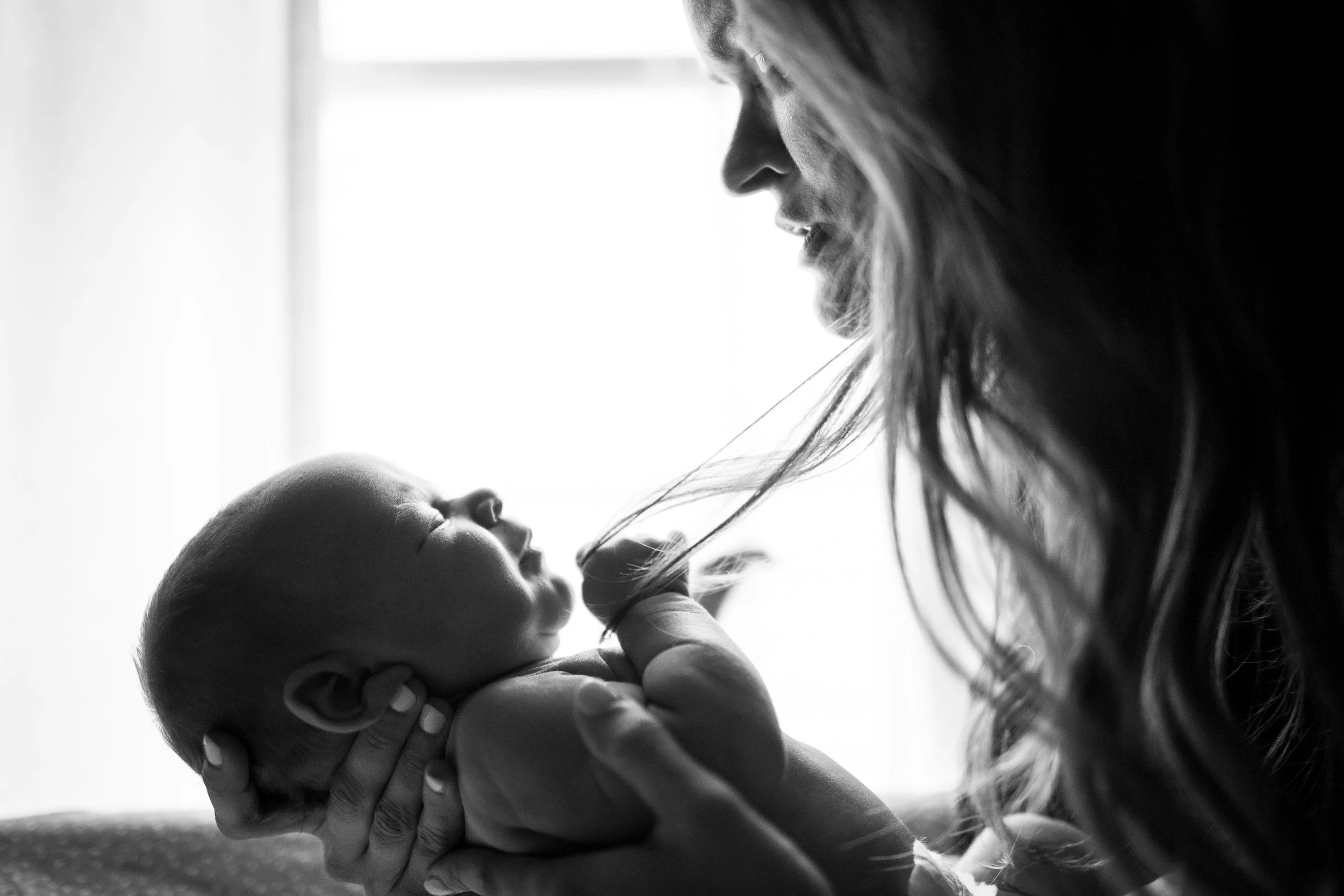
While both roles involve newborn care, they differ significantly in scope, philosophy, and training.
1. Focus of Care
A Honolulu baby nurse primarily focuses on the baby’s physical needs, often during nighttime hours.
A postpartum doula focuses on the entire family’s well-being — including parental recovery, mental health, and household support.
2. Training and Regulation
There is no standardized credential for baby nurses in Hawaiʻi. Skill levels vary widely.
Postpartum doulas are typically trained through professional organizations with a focus on evidence-based care and ethical scope of practice.
3. Education and Empowerment
A baby nurse may efficiently care for your baby but may not prioritize teaching parents how to manage care themselves.
A postpartum doula emphasizes:
• Teaching parents to recognize hunger and sleep cues
• Supporting feeding choices
• Helping families develop routines
• Providing reassurance and guidance
4. Emotional and Mental Health Support
Postpartum doulas are trained to recognize signs of postpartum mood disorders and can provide emotional support and referrals when needed. Baby nurses typically do not address parental mental health.
Why the Term “Baby Nurse” Can Be Misleading
Many families assume a baby nurse is a licensed nurse. In reality, most baby nurses are not registered nurses (RNs) or licensed practical nurses (LPNs). The term “nurse” can unintentionally imply medical authority.
In Hawaiʻi, medical care must be provided by licensed healthcare professionals such as pediatricians, midwives, and registered nurses operating within medical systems. A privately hired baby nurse should never provide medical treatment or clinical care.
Families should verify licensure if a caregiver claims medical credentials.
Hiring a Baby Nurse in Honolulu: What to Ask
If you are searching for a baby nurse in Honolulu, consider asking:
• What training or certifications do you have?
• How much newborn experience do you have?
• Are you CPR and first aid certified?
• Are you familiar with safe sleep guidelines?
• How do you support breastfeeding families?
• What is your philosophy on soothing and sleep?
Because the term Honolulu baby nurse is not regulated, careful screening is essential.
Hiring a Postpartum Doula in Honolulu
When hiring a postpartum doula, families should look for:
• Formal training or certification
• References from past clients
• A clear scope of practice
• Cultural sensitivity and compatibility
• Professional insurance or association membership
Many postpartum doulas in Honolulu offer overnight care, making them a strong alternative for families who believe they need a baby nurse.
Cost Differences in Honolulu
Both baby nurses and postpartum doulas are private-pay services. Rates in Honolulu vary based on experience, demand, and whether care is daytime or overnight.
Typical ranges:
• Baby nurse: $30–$50 per hour
• Postpartum doula: $35–$60 per hour
Some doulas offer packages or flexible scheduling options.
Which Is the Best Choice for Your Family?
You may prefer a baby nurse if:
• You only want hands-on infant care
• You do not want education or emotional support
• You feel confident in newborn care skills
You may prefer a postpartum doula if:
• You want family-centered support
• You want education and guidance
• You want help with recovery and adjustment
• You value emotional support
Many families searching for baby nurse in Honolulu are actually seeking the broader care model that postpartum doulas provide.
Legal and Safety Considerations in Hawaiʻi
Neither baby nurses nor postpartum doulas may provide medical care unless they are licensed healthcare professionals. They should not:
• Diagnose medical conditions
• Prescribe or administer medication
• Replace pediatric or postpartum care providers
Always ensure your caregiver follows:
• Safe sleep practices
• Infant feeding safety guidelines
• Hygiene and infection prevention
The Bottom Line
The primary difference between a baby nurse and a postpartum doula is philosophy of care.
A baby nurse focuses on the baby. A postpartum doula focuses on the family.
If you are searching for a Honolulu baby nurse or baby nurse in Honolulu, it may help to ask whether what you really want is someone to care for your baby — or someone to support your entire family during a major life transition.
Postpartum doulas provide long-term benefits by teaching, supporting, and empowering parents rather than simply taking over infant care.
Frequently Asked Questions
Is a baby nurse the same as a night nanny?
Often, yes. Most baby nurses operate similarly to night nannies who specialize in newborns.
Is a postpartum doula medical?
No. Postpartum doulas are non-medical support professionals.
Does insurance cover baby nurses or doulas?
Typically, no. These services are usually private pay.
How long do families in Honolulu usually hire help?
Most families hire newborn support for 2–12 weeks postpartum, depending on need and budget.
Final Thoughts for Honolulu Families
If you are comparing a baby nurse in Honolulu with a postpartum doula, the most important factor is not the title — it is the type of care and philosophy that best fits your family’s needs.
Do you want someone who focuses only on the baby? Or someone who supports your recovery, your learning, and your emotional health?
Both roles can be helpful, but understanding the distinction helps Honolulu families choose care that truly supports long-term well-being.
When searching for baby nurse, Honolulu baby nurse, or baby nurse in Honolulu, take time to interview carefully, ask about training, and select a professional whose values align with your family.
The right support can make your postpartum period safer, calmer, and more empowering for both you and your baby.
